Former EEOC Commissioner Drops Lawsuit Following Supreme Court Ruling
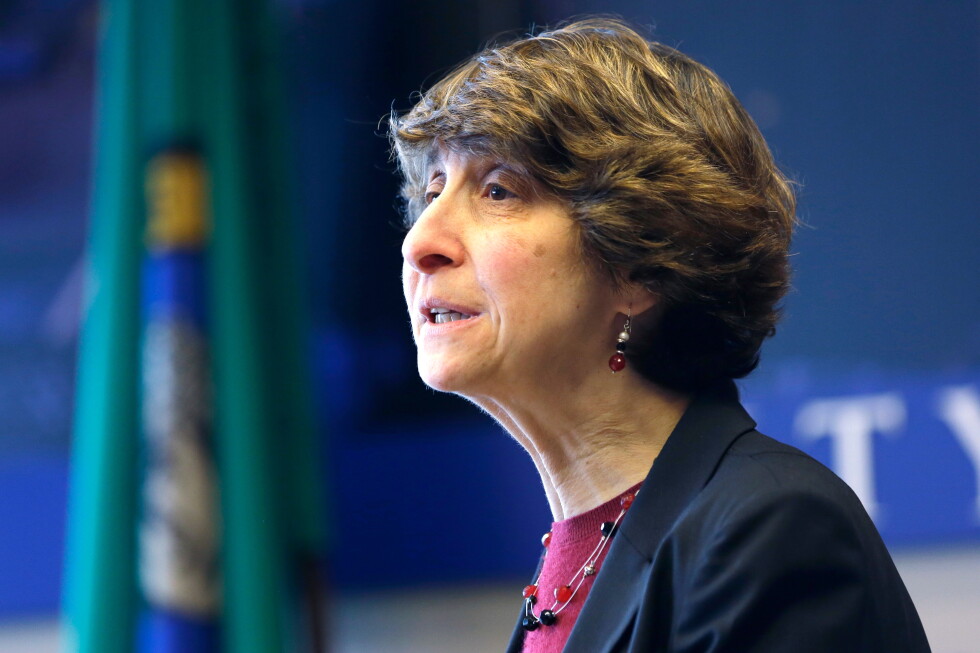
A former Democratic commissioner from the Equal Employment Opportunity Commission (EEOC) has retracted her lawsuit against former President Donald Trump. Jocelyn Samuels decided to discontinue her legal challenge after a recent Supreme Court decision bolstered presidential control over independent agencies. For more details, refer to the original report.
The Supreme Court’s decision has reinforced Trump’s strategic revamping of civil rights enforcement, which notably involved the removal of Samuels and another Democratic member from the commission. This move was part of an effort to realign the EEOC’s focus, which has included scrutinizing diversity initiatives, altering protections for transgender employees, and addressing discrimination claims involving white and U.S.-born workers. Discover more about the Supreme Court decision here.
On Monday, the EEOC released a regulatory agenda aimed at eliminating its yearly collection of workplace demographic data and revoking guidelines on English-only workplace policies.
Trump’s early action in his presidency to dismantle the Democratic majority on the EEOC was unprecedented, as he dismissed Samuels and Charlotte Burrows before their terms expired. This shift allowed the administration to pursue its civil rights agenda without opposition from the EEOC, an agency established by the 1964 Civil Rights Act. More information on these changes can be found here.
The current composition of the commission includes two Republicans and one Democrat, with two vacancies yet to be filled by Trump. Samuels had argued that the staggered terms of EEOC commissioners, appointed by the president and confirmed by the Senate, were meant to maintain continuity and protect against political pressures. However, the Supreme Court’s recent ruling has left her without any feasible legal recourse to contest her removal.
EEOC Chair Andrea Lucas praised the Supreme Court’s decision in a LinkedIn post, emphasizing the EEOC’s role as an executive branch agency. The agency’s spokesperson reiterated its commitment to implementing Trump’s civil rights agenda, focusing on impartial enforcement of federal civil rights laws.
Kalpana Kotagal, the sole Democratic commissioner, opposed the new regulatory agenda, arguing it undermines civil rights protections and the EEOC’s investigative capabilities. The agenda proposes ending the longstanding requirement for companies with 100 or more employees to submit demographic data, a move critics argue burdens employers, while supporters maintain it aids in identifying discriminatory trends.
The EEOC also intends to revoke guidelines from 1980 that define national origin discrimination, particularly those cautioning against English-only workplace rules. The agency claims these guidelines are outdated and improperly suggest that such rules violate Title VII in certain scenarios.
Additionally, the EEOC plans to revise regulations related to the Pregnant Workers Fairness Act, with Lucas opposing the inclusion of abortion as a condition for workplace accommodations in the Biden-era regulations.