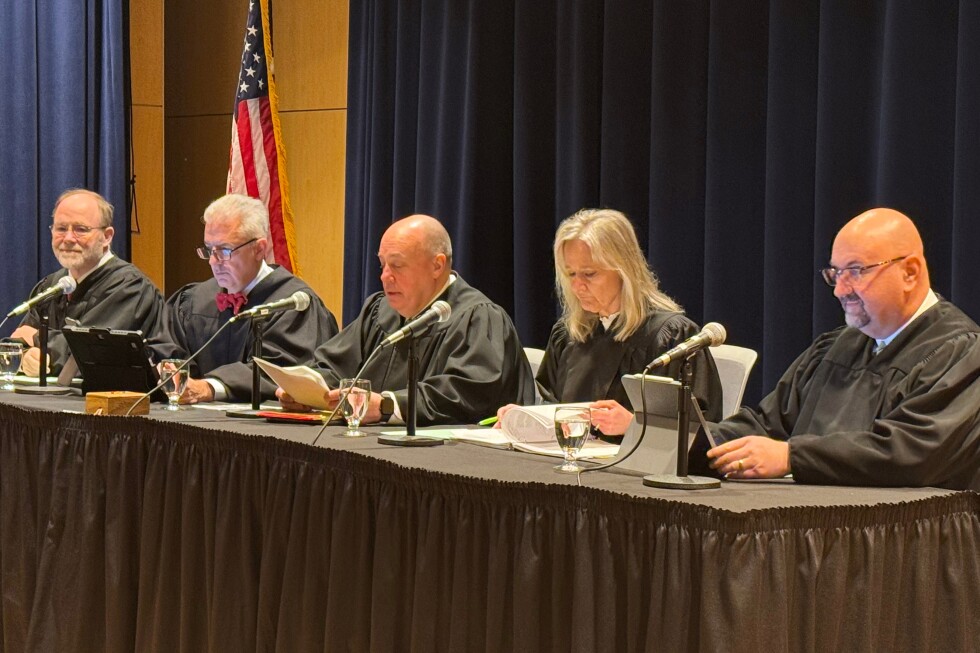
Supreme Court Grants Anonymity to Officers in Shooting Incident
A recent ruling by the South Dakota Supreme Court permits the anonymity of two police officers involved in a 2024 shooting incident, overturning a previous decision. The court determined that the officers’ identities could be concealed to prevent potential harassment or threats to them and their families.
The decision hinges on the interpretation of Marsy’s Law, a constitutional amendment fortified by South Dakota voters to protect crime victims’ rights. The law, enacted in 2016, ensures victims are treated with respect and are safeguarded against intimidation.
According to the ruling, “Whether a victim’s name, initials or other information should be redacted will depend on the unique circumstances of each case and the asserted interests that should be balanced by the court.”
The case, “State versus Albaidhani,” arose from an April 3, 2024 incident involving a gunfire exchange between two Sioux Falls officers and Samir Albaidhani during a vehicle stop. Both Albaidhani and one officer sustained injuries.
Initially, the officers’ names appeared in court documents, but they later sought to have their identities removed from future records. A circuit judge previously decided against redacting the names, arguing that a name alone doesn’t convey location details. However, the Supreme Court’s recent decision reversed this view.
Representing the officers, Jeffrey R. Beck of the Fraternal Order of Police contended that disclosing the officers’ identities could lead to their whereabouts being easily discovered. Beck demonstrated this by finding extensive personal history online about himself through a simple search.
On the other side, Albaidhani’s legal team, including Kylie Beck and Emily Herbert from the Minnehaha County Public Defender’s Office, argued that concealing identities could impede legal processes, making it challenging to contact or subpoena individuals for testimonies, thereby affecting a defendant’s right to due process.
The Supreme Court’s ruling mandates that the case be returned to the circuit court for further action in alignment with this decision.
More details on the ruling can be accessed here.
This article was initially published by South Dakota News Watch and shared in collaboration with The Associated Press.