South Africa’s Land Expropriation Law Challenged in Court
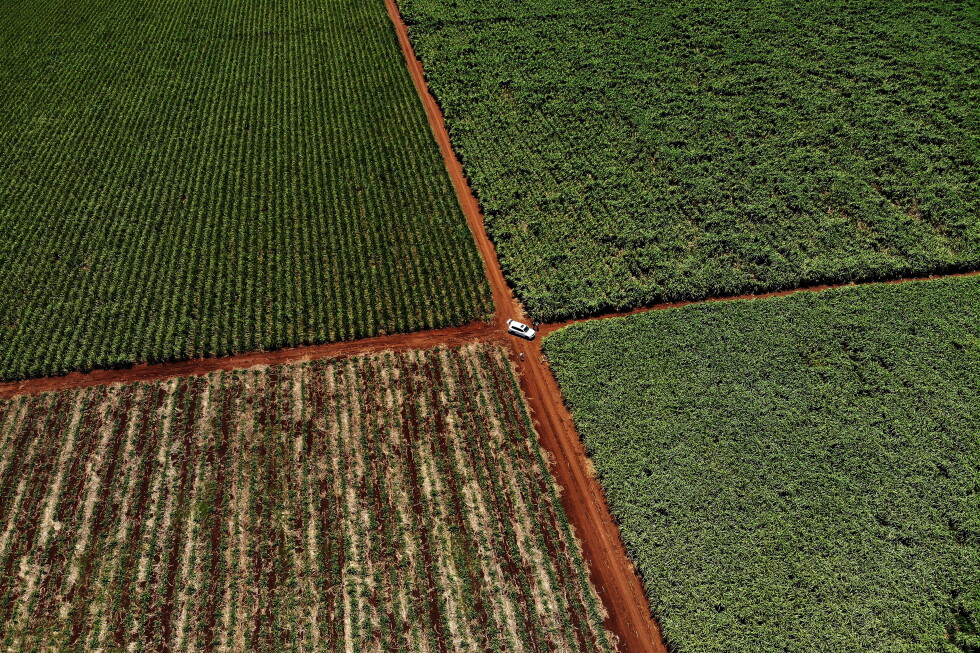
This week marks the beginning of a pivotal legal challenge in South Africa against the recently enacted Expropriation Act. Initiated by the Democratic Alliance and supported by various lobby groups, the case unfolds in the Western Cape High Court, questioning the constitutionality of the law that permits the government to seize private land.
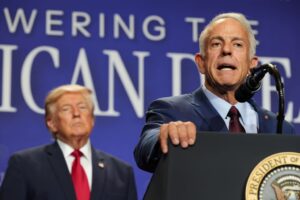
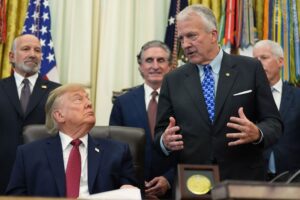
The Expropriation Act, signed by President Cyril Ramaphosa, is designed to address historical land dispossession and economic disparities rooted in the era of apartheid, which ended in 1994. However, the law has sparked international tension, notably with former U.S. President Donald Trump’s administration. Trump criticized the law as a tool for targeting white farmers, leading to the cessation of U.S. financial aid and the imposition of trade tariffs on South Africa. The South African government, however, contends that the law aims to utilize unused land effectively and is not arbitrary in its application.
Critics, including the Institute for Race Relations and the Afrikaner advocacy group AfriForum, argue that the legislation undermines property rights, as protected by the South African Constitution. The law allows land expropriation in the public interest, even without compensation, if negotiations for a fair settlement are unsuccessful.
The case is expected to continue throughout the week, though the timeline for a judicial decision remains uncertain, potentially taking weeks or months. The controversy underscores ongoing debates about land rights and the legacy of colonialism, with Afrikaner farmers, descendants of European settlers from over 300 years ago, at the center of these discussions.
Amidst these developments, the Trump administration extended asylum offers to Afrikaners citing persecution. The complex intersection of historical grievances and contemporary policy continues to shape the discourse on land ownership and reform in South Africa.