Rap Lyrics in Court: A Legal Dilemma
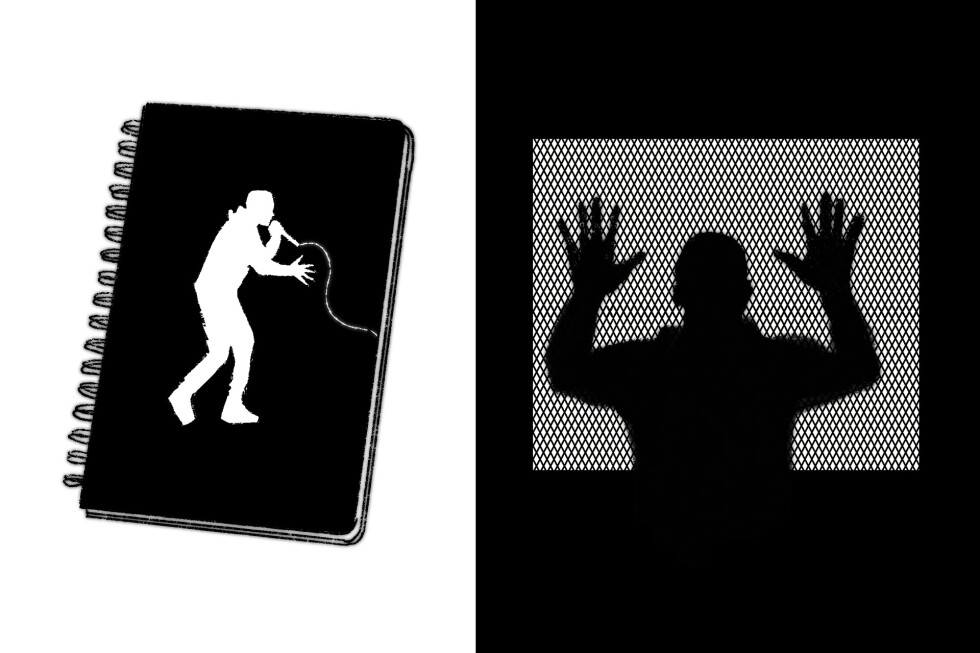
James Broadnax, at age 19, filled a notebook with rap lyrics, personal thoughts, and job prospects. This notebook later became pivotal evidence in his capital murder trial. Prosecutors highlighted lyrics suggesting gang ties and shootings to sway the predominantly white jury towards a death sentence rather than life imprisonment, which Broadnax’s defense claims introduced bias.
The use of rap lyrics in legal cases is not unique to Broadnax. In fact, such lyrics have appeared in courtrooms across over 40 states over the last five decades. Researchers note that while courts often exclude other forms of creative works, rap lyrics are commonly treated as confessions or autobiographies, potentially reinforcing racial stereotypes.
Rap as Art or Confession?
Erik Nielson, co-author of “Rap on Trial,” argues, “It denies rap music the status of art. It is characterized as autobiography.” He highlights that lyrics are often leveraged in gang-related cases to establish criminal intent. When lyrics predate a crime, they are cited as motives; post-crime, they are viewed as admissions.
Broadnax’s Case and Broader Implications
Convicted of murder in 2008 for a shooting in suburban Dallas, Broadnax faces execution. His legal team has approached the U.S. Supreme Court, challenging the racial bias and the portrayal of his lyrics as factual. They argue the lyrics contributed to a racially charged depiction leading to the death penalty.
Kemba, a rapper featured in the documentary “As We Speak: Rap Music on Trial,” notes, “There’s a lot of people that don’t see rap or Black music as artistic expression.” This view, he suggests, plays into juror biases, especially when defendants are young men of color with limited legal resources.
Historical Context and Perception
Historically, Black artistic expression has faced scrutiny, intensifying with politically charged rap music like N.W.A.’s “F— the Police.” A New York Times exploration found only four non-rap lyric cases in trials since 1950, compared to about 700 rap cases. Research by Adam Dunbar revealed that rap lyrics are often perceived as autobiographical, unlike country or metal lyrics.
Judicial Discretion and Legislative Efforts
Efforts to protect rappers’ creative expressions have seen A-list artists like Travis Scott and T.I. supporting Broadnax’s Supreme Court appeal. Judges’ interpretations of evidence rules vary, with some viewing rap lyrics as relevant and others as prejudicial. Jeff Bellin from Vanderbilt Law School notes judges should exclude evidence with low probative value and high potential for bias, yet awareness of social contexts is often lacking.
Legislative attempts to address these issues have emerged, with at least 27 bills introduced in recent years. Maryland recently passed a law requiring a factual link between artistic expressions and charges before such evidence can be used. While not comprehensive, supporters like Lucius T. Outlaw III see this as a significant step forward.