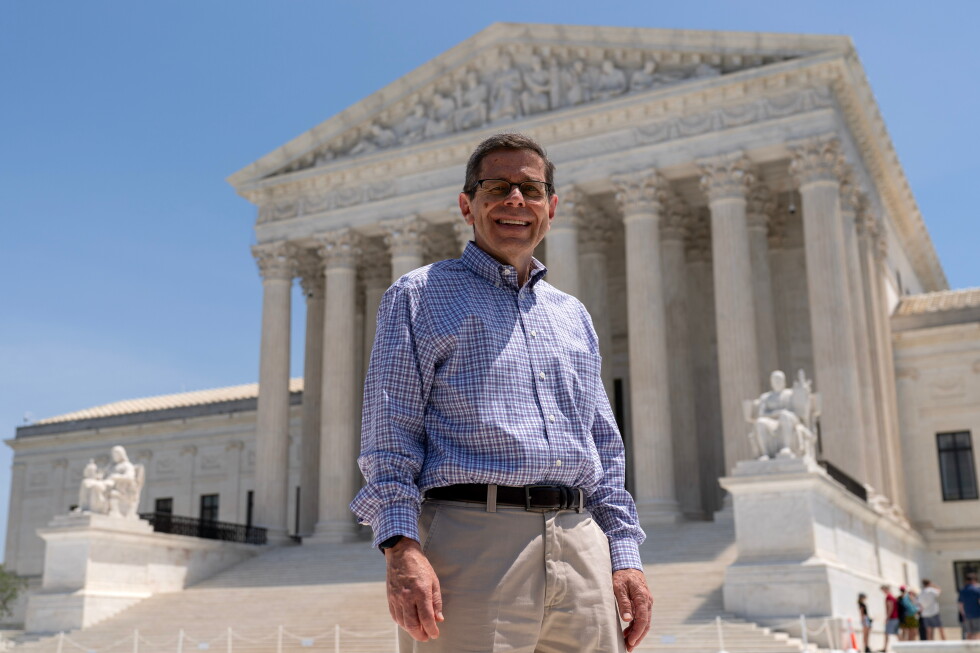
WASHINGTON (AP) — Mark Sherman, a seasoned journalist with The Associated Press, concluded his two-decade-long coverage of the U.S. Supreme Court this past Tuesday. His career spanned a transformative period marked by the court’s ideological shift towards conservatism, a trajectory shaped by both chance and intentional political maneuvering.
The Supreme Court’s Rightward Shift
When Sherman began his tenure in 2006, the Supreme Court’s ideological center moved slightly to the right as Justice Anthony Kennedy replaced Sandra Day O’Connor. This transition was significant; Kennedy, alongside O’Connor, played pivotal roles in key decisions, such as preserving abortion rights in 1992 and determining the outcome of the 2000 presidential election in Bush v. Gore. Kennedy’s opinions on gay rights, including the landmark ruling on same-sex marriage, have been lauded, while his majority opinion in Citizens United reshaped campaign finance.
Political Impacts on the Court’s Composition
The sudden death of Justice Antonin Scalia in 2016 presented an opportunity for a leftward shift in the court. Liberals anticipated potential advances in areas like gun control and campaign finance reforms. Justice Ruth Bader Ginsburg, discussing the court’s future, expressed her expectation that Hillary Clinton would win the presidency and potentially fill multiple Supreme Court seats, including Scalia’s. Ginsburg’s prognostication, however, fell short as Donald Trump ascended to the presidency, appointing three justices and shifting the court’s balance toward conservatism.
Senator Mitch McConnell, then Majority Leader, strategically kept Scalia’s seat vacant until Trump’s election, blocking President Obama’s nominee, Merrick Garland. This maneuver, along with Trump’s subsequent appointments, solidified a conservative majority, which altered the judicial landscape, impacting decisions on abortion and affirmative action.
Judicial Retirement Strategies
Lifetime tenure allows justices to influence their successors. Justice Ginsburg’s decision to remain on the bench until her passing, despite her wish that her seat not be filled until post-election, exemplifies this dynamic. Recent retirements, such as those of Anthony Kennedy and Stephen Breyer, saw their replacements align with their judicial philosophies, as each was succeeded by a former clerk.
Perceptions of Judicial Impartiality
Chief Justice John Roberts emphasized the nonpartisan nature of the judiciary, stating, “There are no Trump judges or Obama judges, only an independent judiciary.” Yet, in practice, the appointment process reflects partisan expectations. Since 2010, conservative justices have been appointed by Republican presidents, while liberal justices have come from Democratic administrations, underscoring the high stakes in judicial appointments.
Changing Dynamics in Court Coverage
The accessibility of Supreme Court proceedings has evolved, particularly during the COVID-19 pandemic. Remote arguments became necessary, allowing the public to listen live, a significant shift from past practices where live access was denied. This change, although accompanied by minor hiccups, provided greater transparency.
However, the rise of emergency appeals has complicated court coverage. These appeals can emerge unexpectedly, necessitating rapid responses from the court, often without the predictability of a set calendar, posing challenges for journalists covering the court.