Justice Department Seeks to Reinstate Charges Against Kilmar Abrego Garcia
The U.S. Justice Department is aiming to reinstate criminal charges against Kilmar Abrego Garcia, following a contentious ruling by U.S. District Judge Waverly Crenshaw. Crenshaw had previously dismissed the charges, criticizing the case as an “abuse of prosecuting power.” The government has appealed the May decision to the 6th U.S. Circuit Court of Appeals, arguing that the judge’s conclusions were incorrect.
Abrego Garcia, a Salvadoran national, faced human smuggling charges, which were dismissed by Judge Crenshaw. The judge noted that these charges would likely not have been pursued if Abrego Garcia had not previously sued the government over his 2025 deportation. Under the Trump administration, the government brought Abrego Garcia back to the U.S. only after securing an indictment against him.
Judge Crenshaw found evidence of “presumptive vindictiveness” in the government’s case, although he did not find “actual vindictiveness.” This included the timing of the indictment following a 2022 traffic stop in Tennessee, which Homeland Security had been aware of for over two years before Abrego Garcia’s deportation.
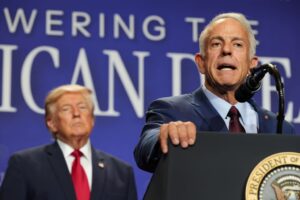
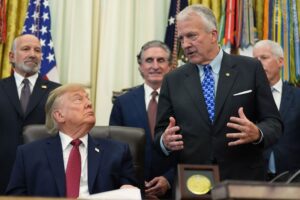
Statements made by U.S. Attorney General Todd Blanche were cited by Crenshaw as evidence that the Justice Department targeted Abrego Garcia because he had won his wrongful deportation case. However, federal prosecutors argue that Blanche’s remarks reflected a legitimate motive for prosecution, aimed at protecting the public.
Prosecutors maintain that the decision to prosecute Abrego Garcia was made by Rob McGuire, then-Acting U.S. Attorney for the Middle District of Tennessee, not by Blanche. They argue that McGuire’s motives should be the focus, a point Judge Crenshaw previously rejected.
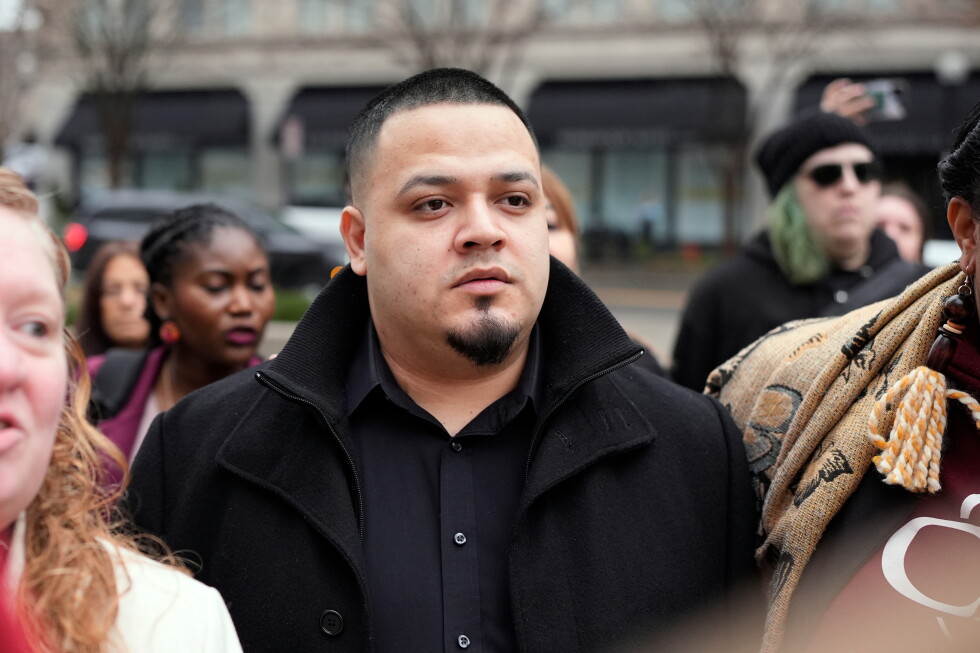
Abrego Garcia, 31, has lived in Maryland with his American wife and child. Despite illegally immigrating to the U.S. as a teenager, a 2019 immigration judge’s decision prevented his deportation due to threats from gangs in El Salvador. Although allowed to live and work in the U.S. under supervision, he was not granted residency.
The Trump administration, unable to deport him to El Salvador, has considered sending him to third countries like Uganda, Eswatini, Ghana, or Liberia. Abrego Garcia has expressed willingness to be deported to Costa Rica, which has agreed to accept him, but the U.S. government has not pursued this option. He continues to contest his deportation to Liberia in a separate case in Maryland.