A legal dispute over President Donald Trump’s plans to build a new ballroom at the White House has reached the U.S. Supreme Court. The National Trust for Historic Preservation is seeking a suspension of the construction project, which involves demolishing part of the East Wing.
The National Trust filed their request for an injunction shortly after the Trump administration appealed to the Supreme Court, asking for permission to proceed with the $400 million project. The trust’s attorneys argue that the administration is sidestepping necessary congressional approval required by federal law.
In the filing, the trust’s lawyers stated, “The administration cannot identify any statute granting them ‘express authority’ to destroy a third of the White House and replace it with a massive, privately funded ballroom, because none exists.”
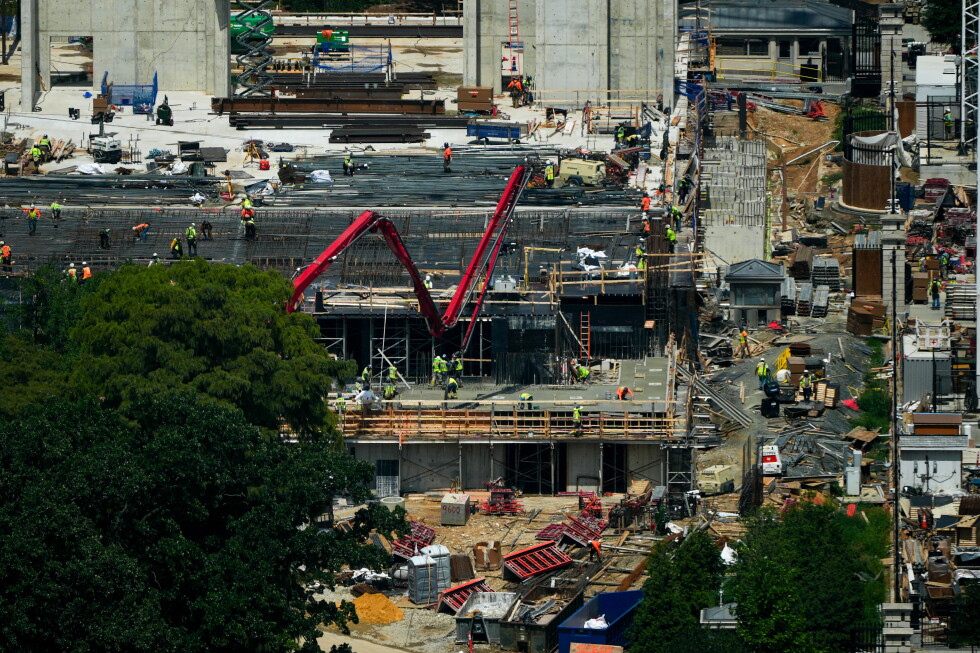
The ballroom project includes a 90,000-square-foot (8,400-square-meter) space, as well as an underground military facility intended to enhance presidential security. The administration argues that these additions are crucial for safety.
Previously, a divided appeals court upheld an injunction halting above-ground work on the project, a decision that was paused to allow for the administration’s appeal. U.S. District Judge Richard Leon, appointed by President George W. Bush, wrote that no legal authority supports the president’s claims.
According to the administration, the president holds the ultimate authority over White House renovations, not Congress or the judiciary. The Justice Department contends that the current construction state compromises White House security.
The administration also challenges the standing of the National Trust to sue over the ballroom project. Trust attorneys maintain that the existing injunction is sufficiently limited, allowing the administration to continue with the construction of the underground facility to ensure security.
Chief Justice John Roberts set a deadline for the trust to respond to the administration’s petition. Solicitor General D. John Sauer emphasized the national security importance of the project, describing the injunction as “extraordinary and unlawful.”
The ballroom construction, which began 10 months ago, is claimed to be 65% complete.