ICC Denounces U.S. Sanctions on Its Officials
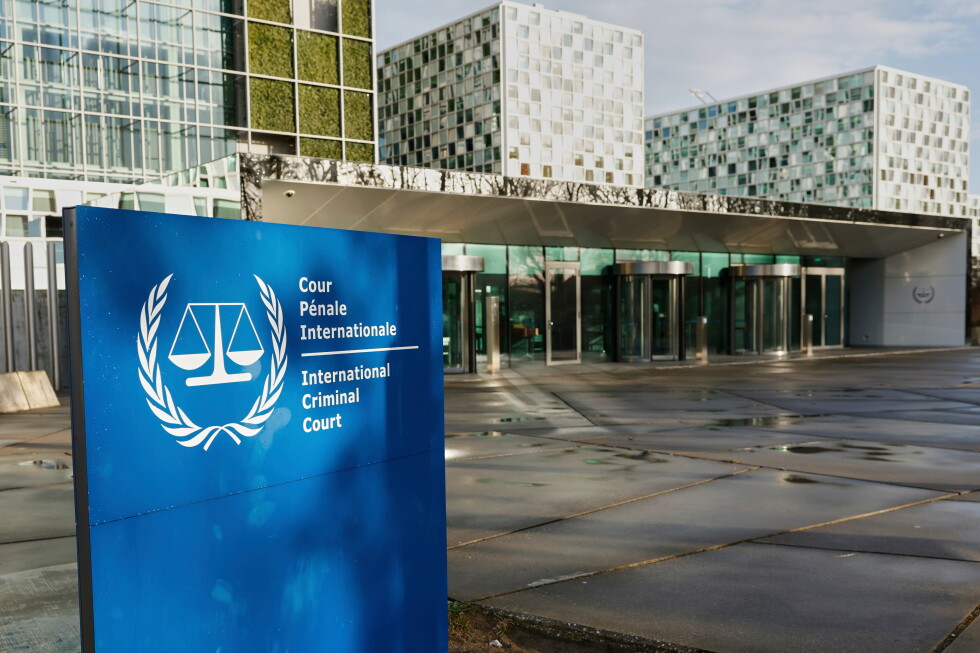
The Hague, Netherlands — The International Criminal Court (ICC) has strongly criticized the recent U.S. sanctions imposed on its officials, describing them as a “flagrant attack” on the court’s independence. Despite these measures, the ICC remains committed to pursuing justice for global atrocities.
Announced by the U.S. State Department, the sanctions target ICC President Tomoko Akane from Japan and senior trial lawyer Abdoulaye Seye of Senegal. These sanctions freeze any assets they hold within U.S. jurisdictions and restrict their interactions with the U.S. financial system.
Japanese Prime Minister Sanae Takaichi expressed regret over the sanctions, stating, “Japan will respond as we continue to maintain communication with related countries including the United States.”
To date, the Trump administration has sanctioned nine of the ICC’s 18 judges, as well as both deputy prosecutors, a former chief prosecutor, and other staff members. The U.S. alleges the ICC has overstepped by probing military and political figures from non-member countries like Israel and the U.S.
In an official statement, the court emphasized, “When judicial actors are threatened for applying the law, it is the international legal order itself that is placed at risk.” The court pledged to uphold its mandate with “independence and impartiality.”
U.S. Secretary of State Marco Rubio condemned the ICC as “a corrupt and fatally politicized supranational court,” accusing it of abusing its authority. Rubio has initiated a “sweeping campaign to dismantle the threat posed by the International Criminal Court to U.S. sovereignty.”
Venezuela and Chad have since declared intentions to exit the ICC, adding to the number of nations retreating from the court over the past year. A country’s withdrawal is formalized one year after the decision.
Sanctions significantly affect the daily lives of ICC officials and their families, barring them from entering the U.S. and limiting access to financial services. Canadian judge Kimberly Prost, previously sanctioned, shared her experience of losing access to credit cards and even basic services like Amazon’s Alexa.
The Assembly of States Parties, the ICC’s oversight body, labeled the sanctions as an “escalation” that risks derailing ongoing investigations and hindering efforts to deliver justice globally.
While Japan views its alliance with the U.S. as central to its postwar foreign policy, navigating this relationship under Trump’s administration proved challenging. Yuichiro Tamaki, leader of Japan’s opposition Democratic Party for the People, criticized the sanctions as “outrageous and intolerable,” urging the Japanese government to support the ICC.
The Netherlands and Germany have both expressed support for the ICC. German spokesperson Martin Giese stated that the ICC is “fulfilling its mission exactly as intended,” while Dutch Foreign Minister Tom Berendsen invited Akane for discussions on continued backing.
Balkees Jarrah from Human Rights Watch described the sanctions as indicative of the Trump administration’s disregard for international law and an attempt to shield American and Israeli officials from accountability.
Human Rights Watch, alongside three other advocacy groups, has initiated a lawsuit against the Trump administration in a New York court, challenging its actions against the ICC.