House GOP Advocates for Mid-Decade Census Amidst Controversy Over 2020 Count
In a recent development, House Republicans are advocating for a mid-decade census, arguing that flaws in the 2020 Census necessitate a recount. This proposal was discussed during a House Judiciary Subcommittee hearing on the Constitution and Limited Government, where Republicans contended that errors and the inclusion of noncitizens in the 2020 Census justify the need for a new count. However, this push faces legal hurdles as federal law currently prohibits using a mid-decade census for congressional apportionment.
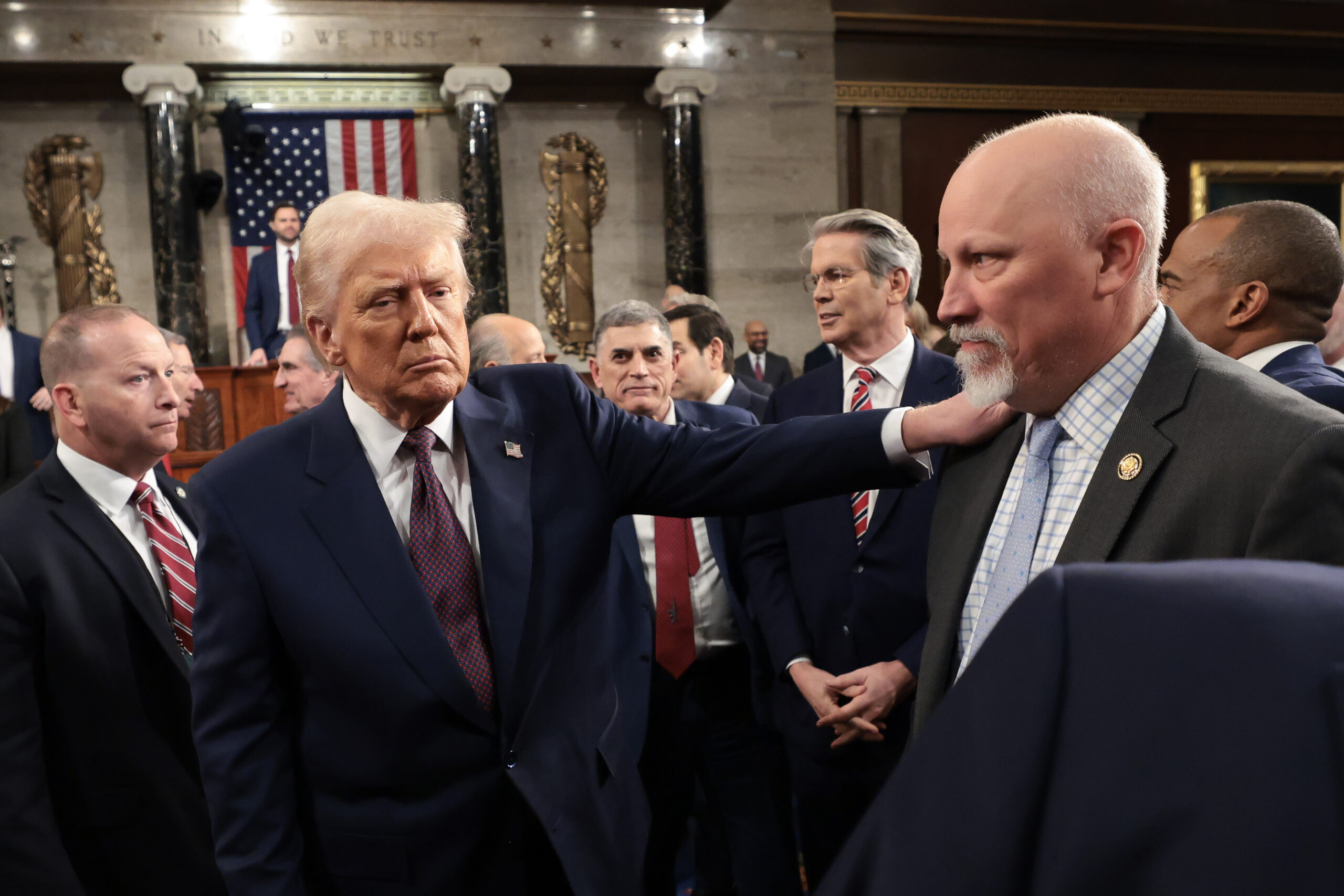
“These errors are impossible to correct without an entirely new census,” stated Rep. Chip Roy (R-Tex.), who chairs the subcommittee. He further criticized the 2020 Census as the “sanctuary census” for allegedly prioritizing “illegal aliens” over citizens.
The debate centers on the Apportionment Clause of the Constitution, which mandates that congressional seats be allocated based on the total population of each state. The 2020 Census, overseen by then-Commerce Secretary Wilbur Ross under President Donald Trump’s administration, faced challenges, including a blocked attempt to add a citizenship question.
President Trump has persistently advocated for a recount excluding undocumented immigrants, a move that would require Congress to approve funding and amend existing legislation to allow for reapportionment of seats.
The hearing mirrored ongoing lawsuits led by Republicans challenging the 2020 census’ methodologies and the inclusion of noncitizens. Rep. Mary Gay Scanlon (D-Pa.), the subcommittee’s ranking member, criticized these efforts as part of a broader strategy by “MAGA extremists” to gain political advantage.
Rep. Jamie Raskin (D-Md.), the ranking member of the full House Judiciary Committee, cautioned against turning the census into a tool for partisan advantage. “Our democracy and our society cannot afford our constitutional census being turned into a constant instrument of partisan conflict, division, and advantage,” Raskin emphasized.
Raskin highlighted a key issue with the census: the undercounting of children and minority groups. He referenced the Government Accountability Office’s report that found the 2020 Census undercounted Black and Hispanic individuals, young children, and renters, while overcounting White adults over 50 and homeowners.
Rep. Roy argued that excluding noncitizens could shift 12 congressional seats to Republican-leaning states and criticized the differential privacy methodology for allegedly shifting six seats to Democrat-favoring states. However, John C. Yang of Asian Americans Advancing Justice – AAJC countered that differential privacy was not applied at the state level for apportionment purposes.
Differential privacy, introduced by the Trump administration in 2020, aims to protect personal data by altering attributes at the individual level, replacing a previous method deemed insufficient against Big Tech’s data mining efforts.
Despite disagreements, there was bipartisan concern over potential errors from the new methodologies. “We all want, as the Chair suggests, our census picture to be fuller and more accurate,” noted Rep. Scanlon. She advocated for reforms to prevent political interference and ensure adequate resources for the Census Bureau ahead of the 2030 Census.