WASHINGTON (AP) — The Trump administration’s decision to significantly increase the H-1B visa fee to $100,000 last year was overturned by a federal judge on Monday. The fee hike, introduced as a measure to safeguard American jobs, was deemed unauthorized by the court, siding with 20 states challenging the move.
Understanding the H-1B Visa Program
Established under the 1990 Immigration Act, H-1B visas are designed for U.S. companies seeking skilled foreign workers. These nonimmigrant visas allow businesses to hire international employees with specialized skills and qualifications for roles that are difficult to fill domestically. Although holders of these visas can work in the U.S. for up to six years, the visas do not provide permanent residency.
According to Stephen Brown from Capital Economics, there are approximately 700,000 H-1B visa holders in the U.S., with an additional 500,000 dependents. The Pew Research Center notes that over 60% of these visas have been granted for computer-related occupations since 2012, though the program also supports hospitals, banks, and universities.
The annual cap for new H-1B visas is set at 65,000, with 20,000 additional visas available for individuals holding advanced degrees. Universities and nonprofit organizations are among the entities exempt from these restrictions.
Trump Administration’s Fee Increase
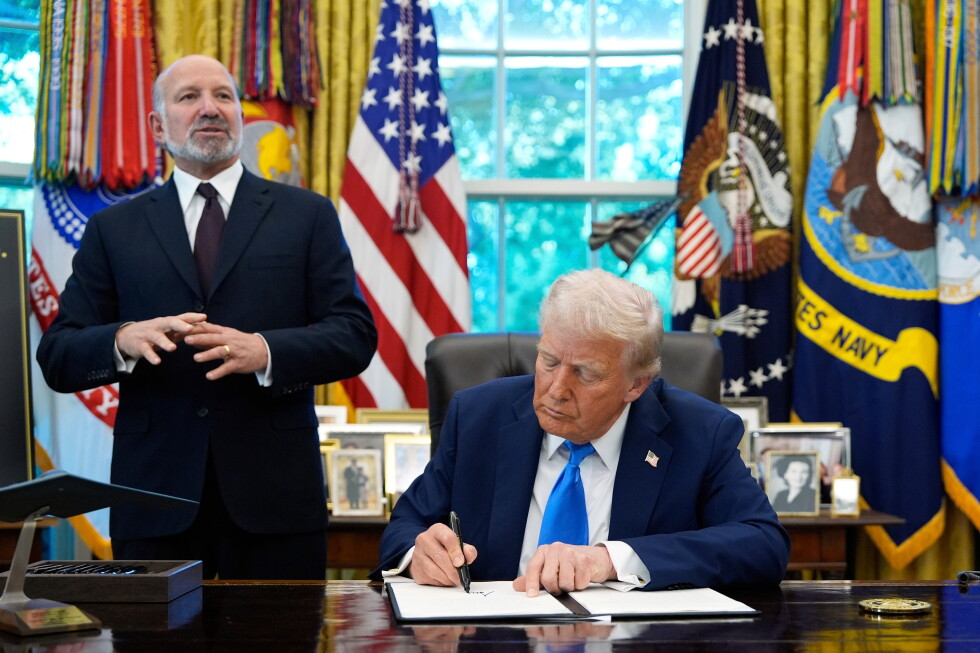
In September, the White House announced the $100,000 fee for H-1B visa applications, a significant rise from the previous $215 lottery entry fee. The new charge was intended as a deterrent against hiring foreign workers at the expense of American employment. The administration argued that companies were using the program to replace higher-paid American workers with cheaper foreign labor, particularly in the IT sector.
The Economic Policy Institute highlighted that 60% of H-1B roles certified by the U.S. Labor Department offered wages below the median for those positions. Despite these criticisms, proponents of the visa program argue it boosts productivity and complements the American workforce.
However, the fee’s impact on revenue was limited. As of mid-February, only 85 payments had been processed, generating $8.5 million. Bernhard Mueller from Ogletree Deakins noted the fee’s failure as a revenue generator.
Judicial Ruling and Legal Implications
U.S. District Judge Leo Sorokin in Boston ruled against the fee, citing a breach of the Administrative Procedure Act. He stated that “the Policy imposes a tax on H-1B petitions without the requisite delegation by Congress.” This decision conflicts with a prior ruling supporting the fee, which remains in effect until September.
Another legal challenge is underway in San Francisco, initiated by religious and labor groups, potentially leading to varied outcomes in different appellate court jurisdictions.
The states involved in the Boston case argued that the fee hindered their ability to hire educators and staff for public institutions, negatively affecting academic research and healthcare staffing.