Federal Court Blocks Texas Congressional Map Amidst Redistricting Controversy
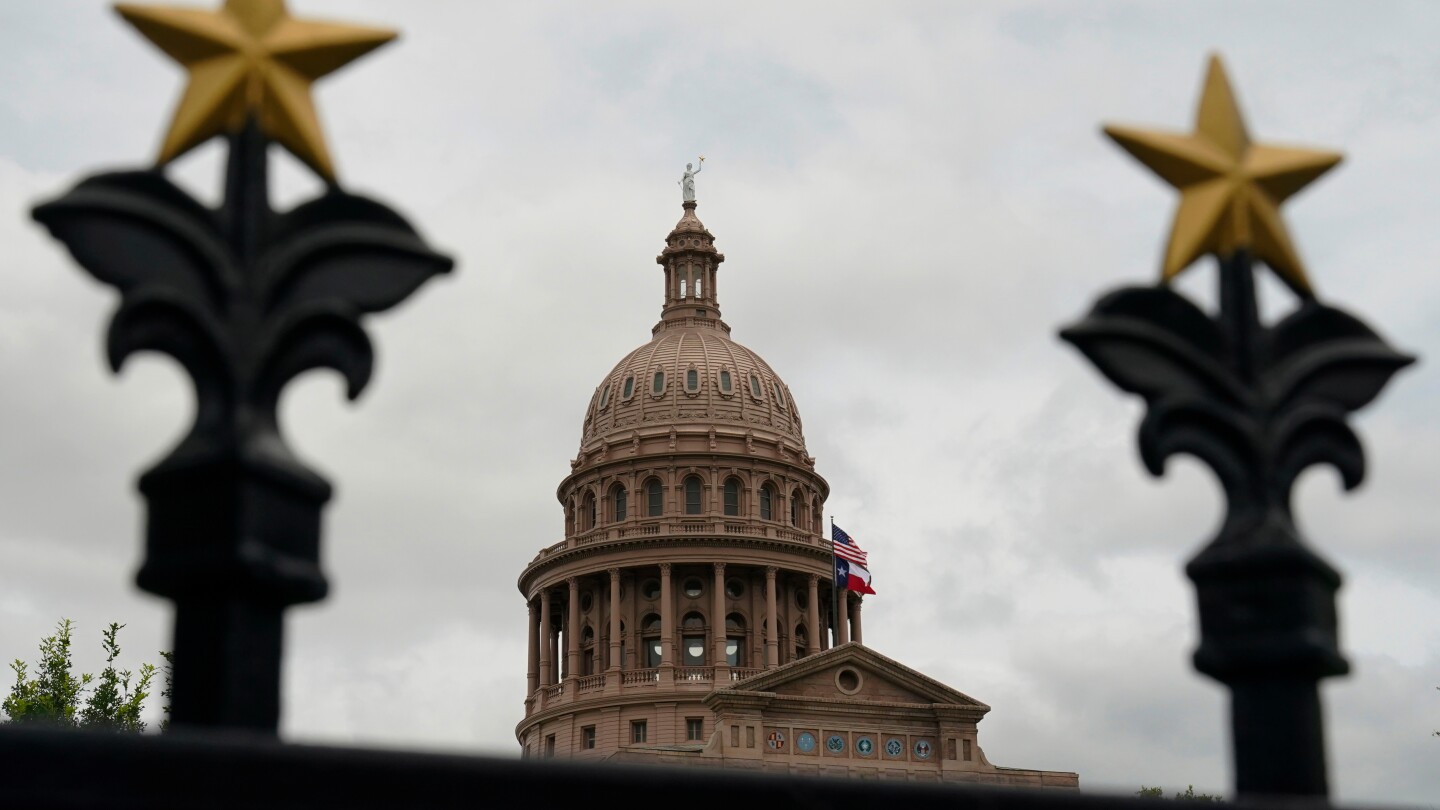
A federal court has intervened to stop Texas from implementing a newly redrawn U.S. House map, which has sparked a major national debate on redistricting. The map, a key component of President Donald Trump’s strategy to maintain a Republican majority, has been halted following claims of racial gerrymandering.
Texas Republicans, led by Governor Greg Abbott, had crafted the map to secure five more Republican seats in the House. However, the federal judges ruled 2-1 against this move, stating the redistricting disproportionately affected Black and Hispanic populations. The decision was penned by U.S. District Judge Jeffrey V. Brown, a Trump appointee.
The judges noted, “To be sure, politics played a role in drawing the 2025 Map. But it was much more than just politics. Substantial evidence shows that Texas racially gerrymandered the 2025 Map.” Texas has since appealed to the U.S. Supreme Court.
This ruling adds to a larger national debate on redistricting, with states like Missouri and North Carolina also redrawing maps to the Republicans’ advantage.
In contrast, California voters have approved a measure to increase Democratic seats, a move challenged by the Trump administration as “a brazen power grab,” according to Attorney General Pam Bondi.
Partisan or Racial Gerrymandering?
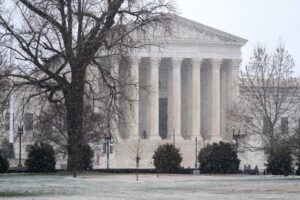
Texas Republicans maintain that the map was drawn for partisan benefits, not racial ones. The U.S. Supreme Court has previously ruled that partisan gerrymandering is not within federal courts’ jurisdiction.
Civil rights advocates argue that the map diminishes minority electoral influence, violating the Voting Rights Act and the U.S. Constitution. If this court decision is upheld, the previous 2021 map will be used in the upcoming elections.
“Today’s decision is a critical victory for voting rights,” said Abha Khanna of the Elias Law Group, representing minority voters against the new map.
Allegations of Racial Intentions in Redistricting
The court’s opinion suggests that the plaintiffs, who argue racial motives were behind the map, have a solid chance of success. A letter from the U.S. Department of Justice’s Civil Rights Division played a crucial role in the court’s decision, highlighting potential Voting Rights Act violations.
Assistant U.S. Attorney General Harmeet Dhillon highlighted issues with districts where minorities collectively outnumber white voters, arguing they perpetuate unconstitutional racial gerrymandering. The judges, however, found the legal basis for this claim incorrect.
Impact on Texas’ Political Landscape
The GOP map reduced minority-majority districts from 16 to 14, eliminating several coalition districts. Critics argue these changes reduce representation for Black and Hispanic communities, a claim disputed by Republicans who assert the map represents voter preferences.
“The state’s intent here is to reduce the members of Congress who represent Black communities,” stated Derrick Johnson, president of the NAACP. Conversely, Governor Abbott dismissed claims of discrimination, stating the map reflects Texas’ conservative voting tendencies.