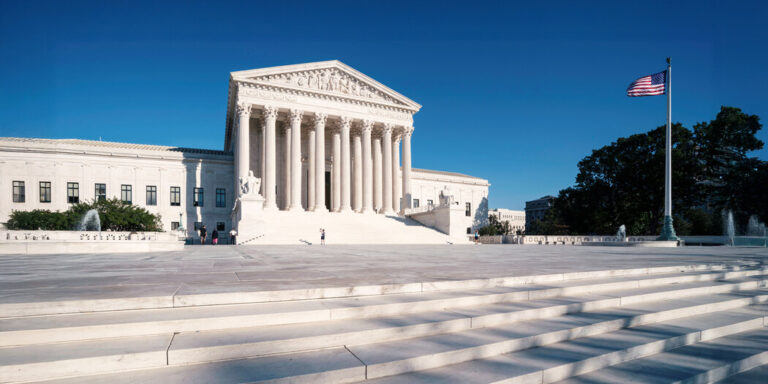
Trump’s Threat to Fire Fed Chair Powell Risks Economic and Legal Chaos
A looming Supreme Court case, revisiting the 1935 Humphrey’s Executor decision, might reshape presidential power over independent agencies, impacting economic stability.

A looming Supreme Court case, revisiting the 1935 Humphrey’s Executor decision, might reshape presidential power over independent agencies, impacting economic stability.

Northern Europe’s dignity-first incarceration inspires U.S. reforms for reducing recidivism and overcrowding. Efforts include visits to Norway and Germany, influencing states like California and Pennsylvania to adopt humane correctional practices.
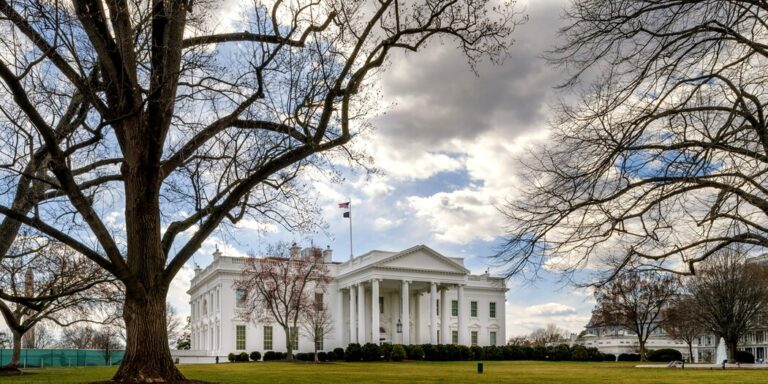
Tariffs and favoritism are signs of a poisoned political era.

What is the federal government’s role in securing election infrastructure? How has federal support changed?
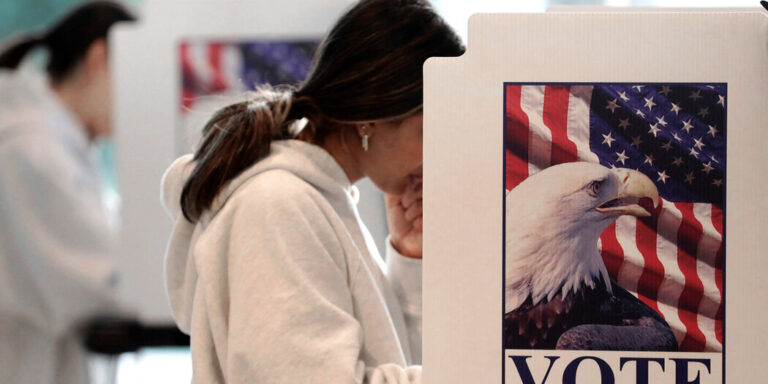
In 2024, Congress is set to vote on the SAVE Act, a bill that could disenfranchise millions of voters by requiring proof of citizenship, disproportionately impacting vulnerable populations and straining already under-resourced election systems, potentially leading to widespread voting issues and further erosion of trust in electoral processes.

Over 65,000 NC ballots at risk after court ruling; Supreme Court pauses decision allowing votes to remain valid, for now.

Concocting an emergency to advance economic and foreign policy goals is an abuse of power.

The race for a seat on the Wisconsin Supreme Court highlights the urgent need for reforms to safeguard judicial independence.
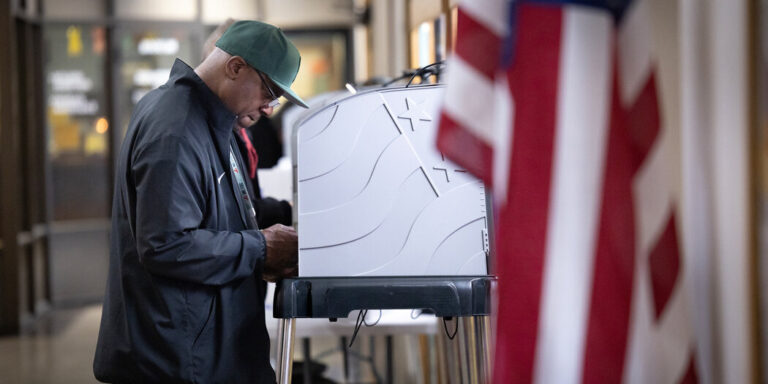
President Trump’s executive order seeks to control U.S. elections, risking disenfranchisement of voters and violating constitutional limits. Legal challenges abound.

Independent groups are outspending candidates in a contest deciding the ideological control of the state’s high court.

As the Voting Rights Act turns 60, Congress risks infamy by prioritizing the SAVE Act, potentially disenfranchising millions by requiring citizenship documents to vote.

The U.S. State Department’s AI-driven “Catch and Revoke” initiative, launched under President Trump’s administration, aims to identify and revoke visas of foreign nationals who support Hamas or other designated terror groups by monitoring social media. This measure, part of a broader anti-terrorism strategy, raises significant First Amendment concerns, potentially deterring free speech and targeting lawful expressions of dissent. As social media surveillance expands, the initiative threatens constitutional rights, impacting the democratic fabric and free expression in the U.S.