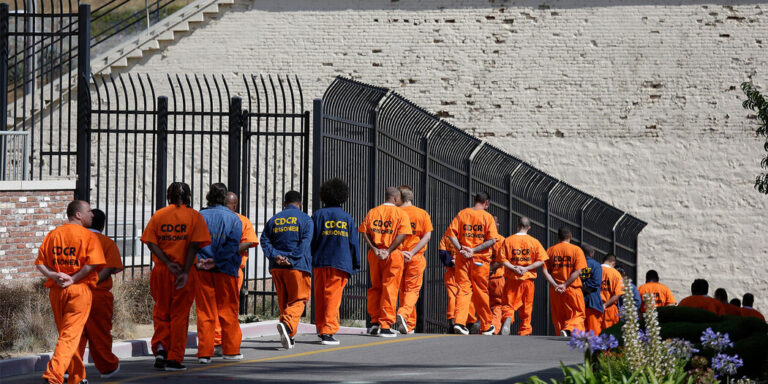
Addressing Climate Risks for Incarcerated Individuals Through Legal Reform
People in prison face increased risks during heat waves and climate disasters; advocates should seek state solutions.

People in prison face increased risks during heat waves and climate disasters; advocates should seek state solutions.

In a controversial move, President Trump ordered a military strike on Iran without congressional authorization, testing limits on presidential power. Congress’s muted response raises concerns about the erosion of legislative oversight, as lawmakers introduced a resolution to reassert their authority over military actions, highlighting the tension between executive ambition and constitutional checks and balances.
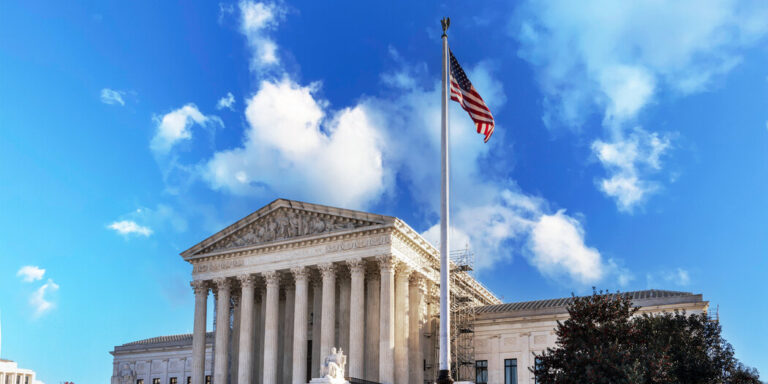
As June approaches, speculation about Supreme Court retirements intensifies. Justices’ strategic retirements can shape the Court’s future and legal landscape, driven by political motives. Proposals for term limits could curb this, ensuring impartial justice and restoring public trust in the Court’s integrity.

Most immigrants facing deportation are entitled to a hearing before an immigration judge, but their legal rights differ.
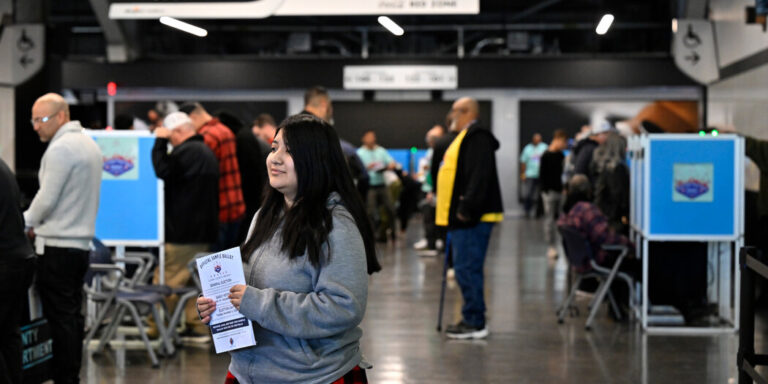
Nevada Gov. Joe Lombardo vetoed NV A.B. 105, blocking a ban on guns near election sites, despite 70% voter support. This decision leaves Nevadans exposed to potential intimidation at polling places, contrasting with states like Florida and Texas, which have enacted similar protections.
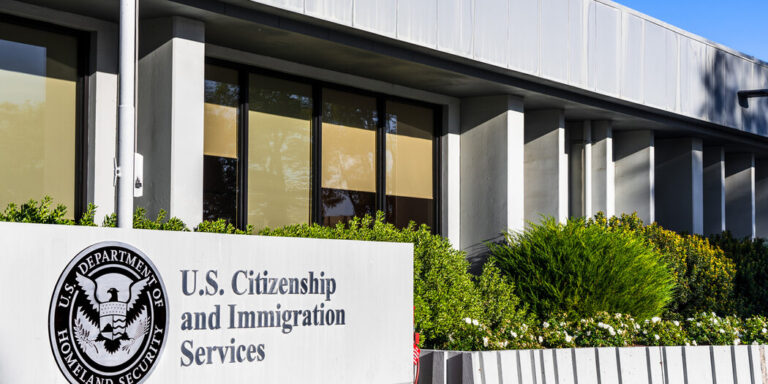
This guidance empowers U.S. citizenship & immigration officers with significant discretion to deny various applications.
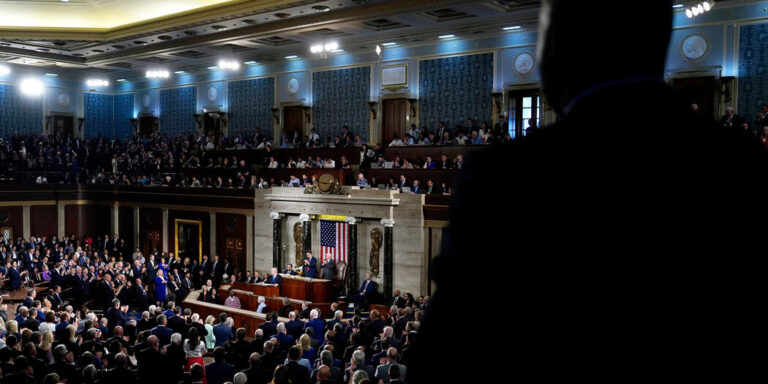
The bill’s tax benefits for the ultra-rich highlight the familiar narrative of donors wielding significant influence.
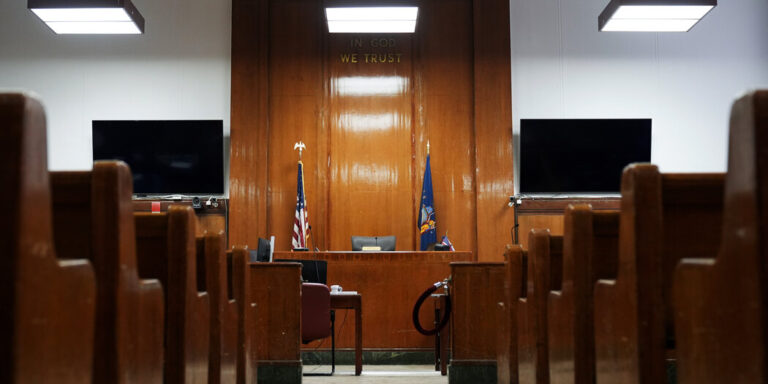
The Trump administration’s consideration of suspending habeas corpus, a crucial legal tool for contesting detentions, highlights ongoing tension between executive actions and constitutional rights, underscoring the writ’s historical significance as a safeguard against arbitrary government power since its inception in 1215’s Magna Carta.
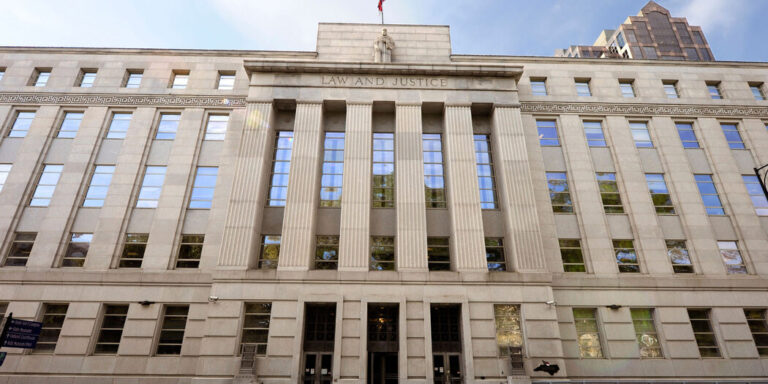
The recent North Carolina Supreme Court ruling against post-election subversion underscores a major legal stance against altering election outcomes post-factum, influencing 2026 tactics.
The department has reversed course, abandoning much of its inherited voting rights caseload, complicating Section 2 litigation.
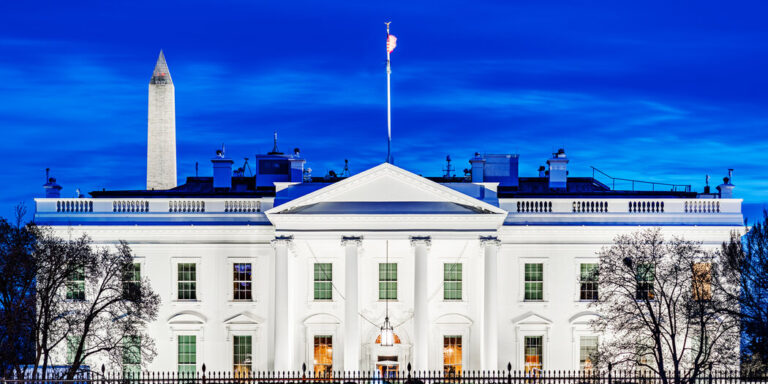
The Supreme Court faces a critical test as it considers cases challenging Trump’s tariffs and executive overreach. Lower courts have upheld checks on presidential power, but as these cases reach more ideologically driven justices, the future of checks and balances hangs in the balance, potentially redefining constitutional norms and presidential authority.
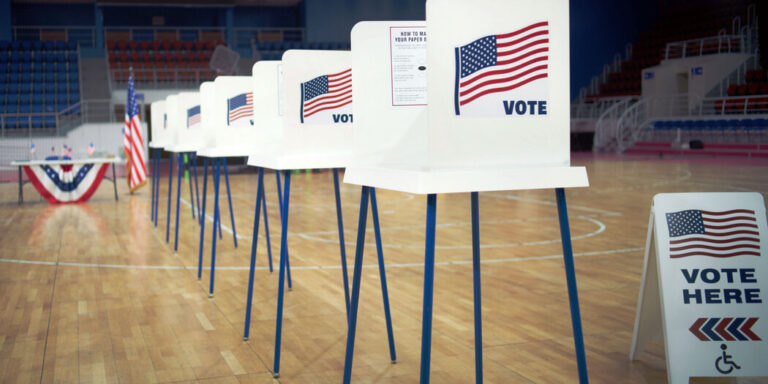
A federal appeals court ruling prevents voters in seven midwestern states from suing under the Voting Rights Act to combat racial discrimination, potentially undermining protections for minority communities and challenging decades of legal precedent.