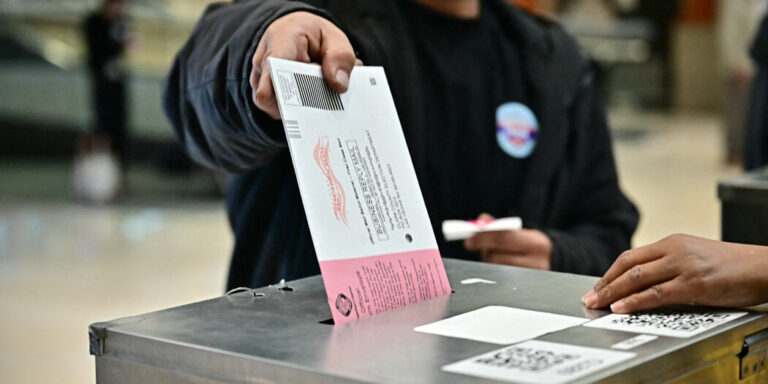
Challenges and Dedication of Election Officials in Defiance County, Ohio
Election officials like Tonya Wichman work year-round to ensure secure, accurate, and accessible elections, facing challenges like threats and turnover since 2020.

Election officials like Tonya Wichman work year-round to ensure secure, accurate, and accessible elections, facing challenges like threats and turnover since 2020.

Americans should feel safe to vote without intimidation from military or federal agents.
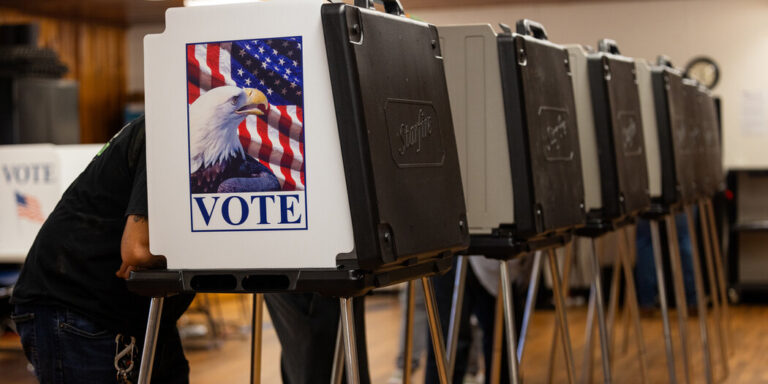
State and local officials, not the president, oversee U.S. elections, even though Trump attempted to influence this with an executive order on voting rules.
Proposed changes in military acquisitions risk increased wasteful spending and may compromise weapon effectiveness.
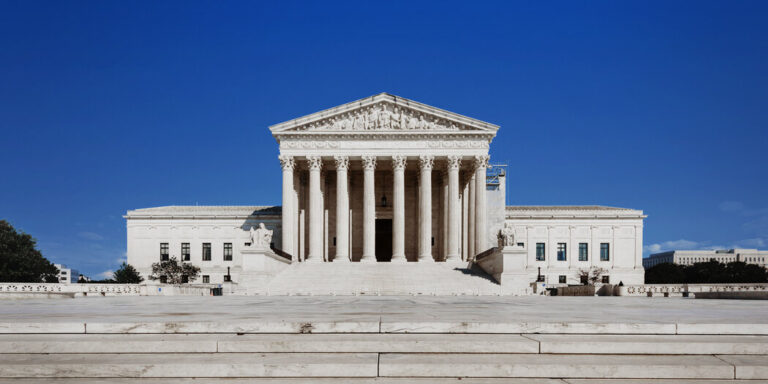
The Supreme Court debates the constitutionality of Section 2 of the Voting Rights Act, a vital enforcement tool ensuring racial equality in voting, potentially reshaping U.S. democracy.

As tensions rise over protests in Portland, Trump’s rhetoric on “insurrection” raises constitutional concerns. Judge Immergut blocks National Guard deployment, highlighting fears of presidential abuse under the Insurrection Act. The debate underscores historical anxieties about military power in domestic affairs, prompting calls for legal reforms to safeguard democracy.
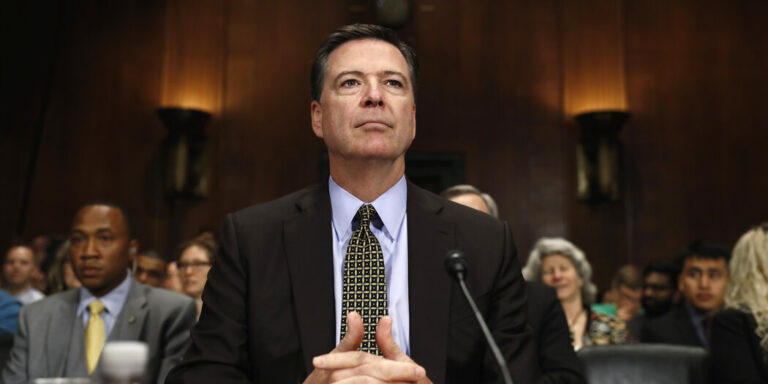
The indictment of James Comey by Lindsey Halligan, Trump’s new U.S. attorney, underscores the risks of politicized prosecutions, challenging justice’s integrity.
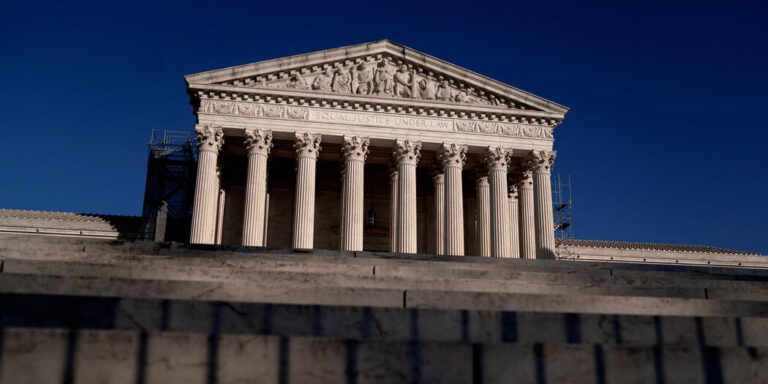
As the justices take their seats, our system of checks and balances tilts precariously.
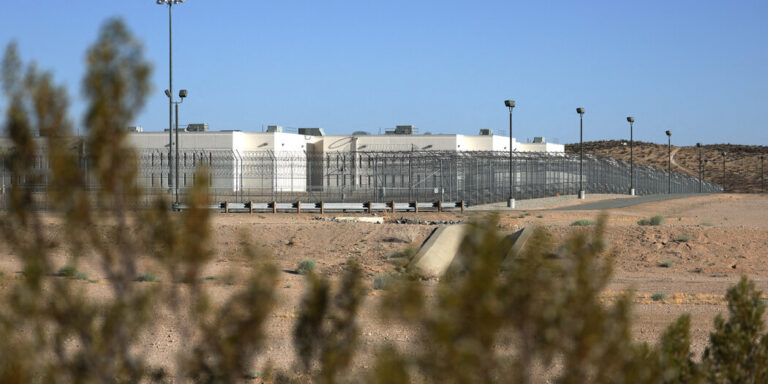
For years private prison companies have been an important partner for ICE as the government carries out its immigration agenda.
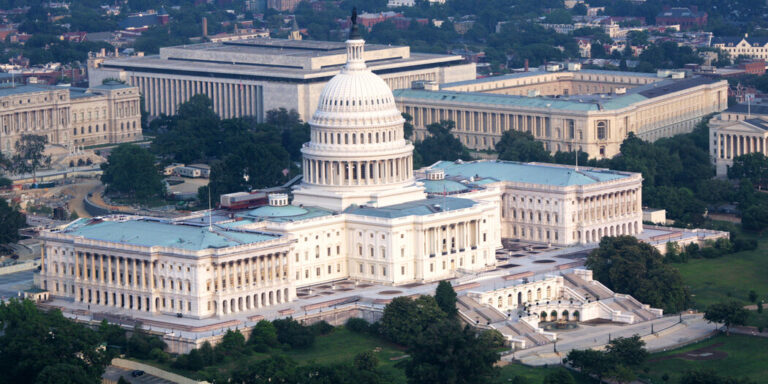
In recent days, allegations against President Trump have surfaced regarding demands for prosecuting rivals and dubious foreign investments. This amplifies the urgent need for legislative reform. The Protecting Our Democracy Act, reintroduced by Rep. Adam Schiff, aims to curb executive overreach and restore checks and balances. This effort draws from past reforms and seeks to tighten accountability, making it illegal for presidents to misuse their power for personal vendettas. As corruption emerges as a major issue, these measures strive to uphold the rule of law and prevent future abuses.
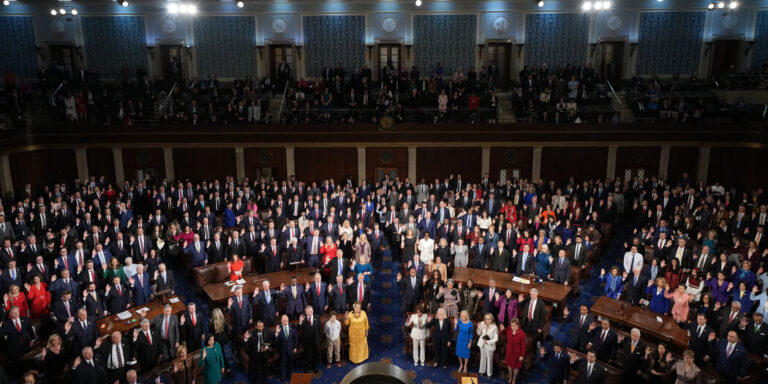
Amidst a partisan gridlock, newly elected politicians face challenges in reforming Congress. Historical shifts show potential, but party leadership, funding demands, and political violence limit their ability to enact change, highlighting the need for institutional support and reform.
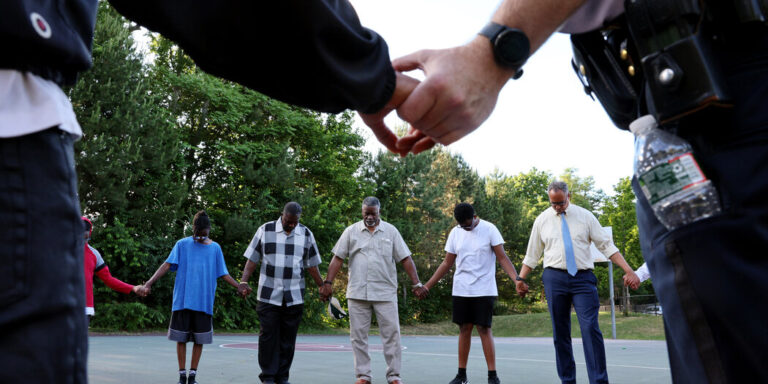
The administration’s unprecedented federal takeover of local law enforcement, claiming a crime emergency, overlooks the fact that crime is decreasing. Effective crime reduction comes from community-led strategies tailored to local needs, not heavy-handed federal interventions. This approach emphasizes investing in targeted community interventions, fostering local trust, and addressing systemic issues like court delays to build sustainable, long-term safety.