Rio de Janeiro Faces Political Uncertainty Amid Governor’s Absence
The Supreme Court of Brazil has delayed a crucial decision regarding the appointment of a new governor for the state of Rio de Janeiro, prolonging a political crisis that has persisted for three weeks. This has left a local judge temporarily managing the state, with unresolved issues related to policing, urban mobility, and gas prices.
Cláudio Castro, the previous governor, stepped down on March 23 to pursue a senatorial position in the upcoming October elections, as mandated by law. However, his potential successors are unavailable to assume the position.
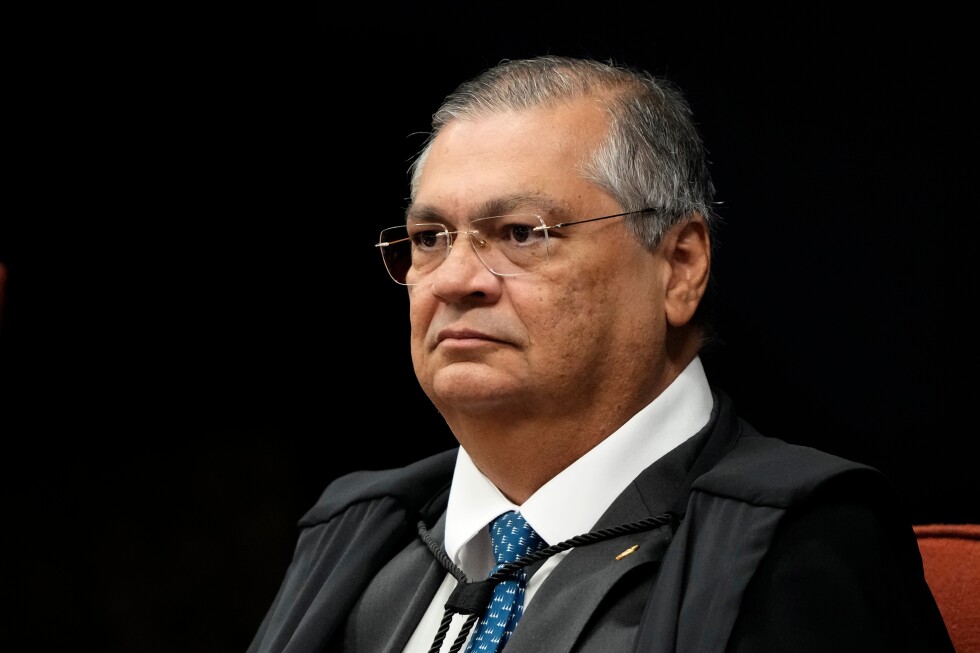
Justice Flávio Dino has called for a reassessment in a case determining whether Castro’s successor will be decided through an early public election or by the state legislature, which has a history of political scandals. Dino has a 90-day window to present his ruling to the court.
Currently, the Supreme Court’s 10-member panel is leaning 4-1 in favor of the state legislature making the selection.
Thiago Pampolha could have succeeded Castro, but his resignation as deputy governor to join a state watchdog body in 2025 disqualified him. Meanwhile, Rodrigo Bacellar, the next in line and the speaker of the state’s legislature, was recently arrested and removed from his position.
Ricardo Couto de Castro, head of Rio’s judiciary, is currently acting as governor. However, due to the temporary nature of his role, he faces challenges in collaborating with other executives, according to local media reports.
The election of a new governor may only occur by January next year, as Rio citizens are already scheduled to vote in the general elections this October.
Thomas Traumann, a political consultant and former minister, has highlighted the risks associated with the ongoing political instability in Rio. “Brazil’s government has just offered a deal to reduce diesel prices, which are high because of the conflict in the Middle East. Rio is one of the few that did not agree because there’s no one to authorize it. Now we will have Brazil’s most expensive diesel,” Traumann stated. “And what if there’s violence from crime gangs tomorrow morning. Who is going to tell police to react?”
Reports indicate that members of Rio’s judiciary may soon encounter obstacles in advancing certain cases, as their leader is burdened with managing state governance.
Amidst these developments, Sen. Flávio Bolsonaro, son of former President Jair Bolsonaro, is advocating for state lawmaker Douglas Ruas to be elected governor through legislative means. In contrast, supporters of current President Luiz Inácio Lula da Silva and his gubernatorial candidate, Eduardo Paes, insist that the decision should be left to the voters.
Stay updated on developments in Latin America and the Caribbean by visiting AP’s coverage.