Legal Battle Over Tribal Citizenship for Black Creek Freedmen Intensifies
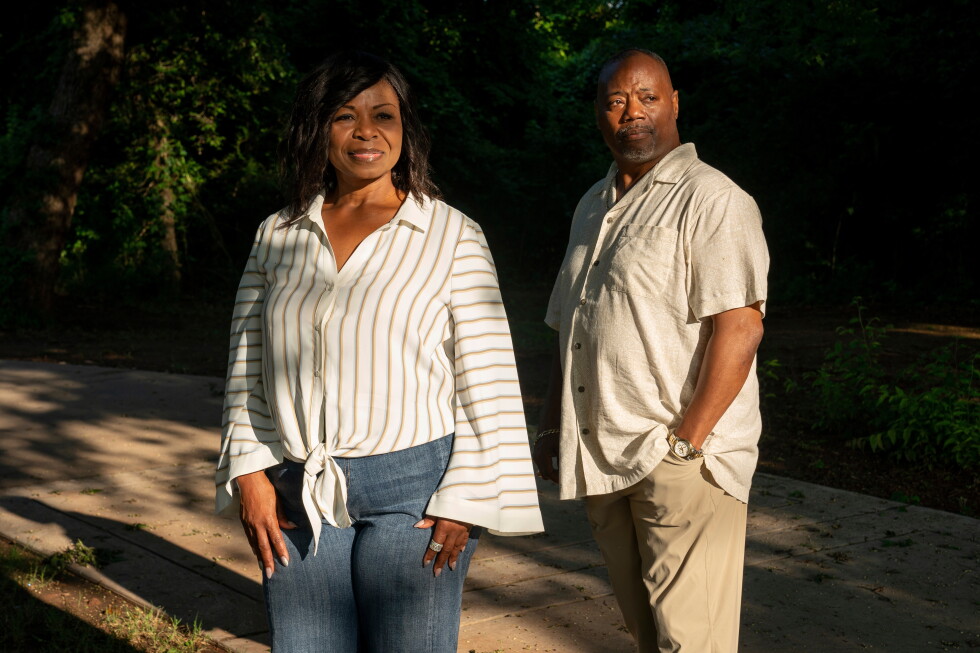
Two individuals, Rhonda Grayson and Jeffrey Kennedy, are seeking federal court intervention in Oklahoma to compel the Muscogee Nation to issue them citizenship cards, as previously directed by a tribal court. This lawsuit, filed in the U.S. District Court in Oklahoma City, names Principal Chief David Hill and the Muscogee Nation Citizenship Board as defendants.
The lawsuit argues that by not recognizing Black Creek Freedmen as citizens, as mandated by the Muscogee Nation Supreme Court in a July 2025 ruling, the tribe is violating an 1866 treaty with the United States. This treaty abolished slavery within the tribe and granted citizenship rights to the formerly enslaved.
In 2019, the applications of Grayson and Kennedy for citizenship were rejected by the board due to lack of proof of a lineal descendant from the tribe. However, the court later determined that they are eligible for citizenship. Despite this, the citizenship cards have not been issued, which the lawsuit claims denies them the “right to vote and the ability to participate fully as members of the Nation.”
Last year, Chief Hill halted the issuance of citizenship cards until a decision is made on how to amend the tribe’s constitution. The Muscogee Nation’s headquarters is located in Okmulgee, approximately 100 miles northeast of Oklahoma City.
A spokesperson for the Muscogee Nation mentioned that they had not yet received the complaint. The tribal leadership emphasized their commitment to ensuring fair and consistent adherence to the Muscogee Nation’s Constitution and laws, stating, “Getting policies right is always more important than getting them done quickly.”
The Muscogee Nation is historically one of five Oklahoma tribes that practiced slavery. The 1979 constitution of the tribe restricts membership to descendants listed as “Muscogee (Creek) Indians by blood” on the Dawes Rolls, a census created around 1900. The court’s 2025 decision directs that the 1866 treaty applies to future applicants who can trace ancestry to either the Muscogee roll or the Freedmen roll, potentially allowing thousands of new members not of Muscogee blood.
Attorney Damario Solomon-Simmons, representing Grayson and Kennedy, highlighted that there are approximately 100,000 Black Creeks in the United States. Legal victories have been achieved against the Seminole Nation and the Cherokee Nation, leading to citizenship for Freedmen descendants in those tribes.
Grayson, serving as president of the Muscogee Creek Indian Freedmen Band, asserted, “Every day of non-compliance is another day that Black Creek Freedman are denied our birthright and our very identity as citizens.” She further emphasized the collective nature of this struggle, saying, “The fight is bigger than every one of us. It belongs to every Black Creek Freedman descendant who has carried this history, protected these stories and refused to let our identity be dismissed or diminished.”