Elon Musk Cleared of Election Bribery Allegations in Wisconsin
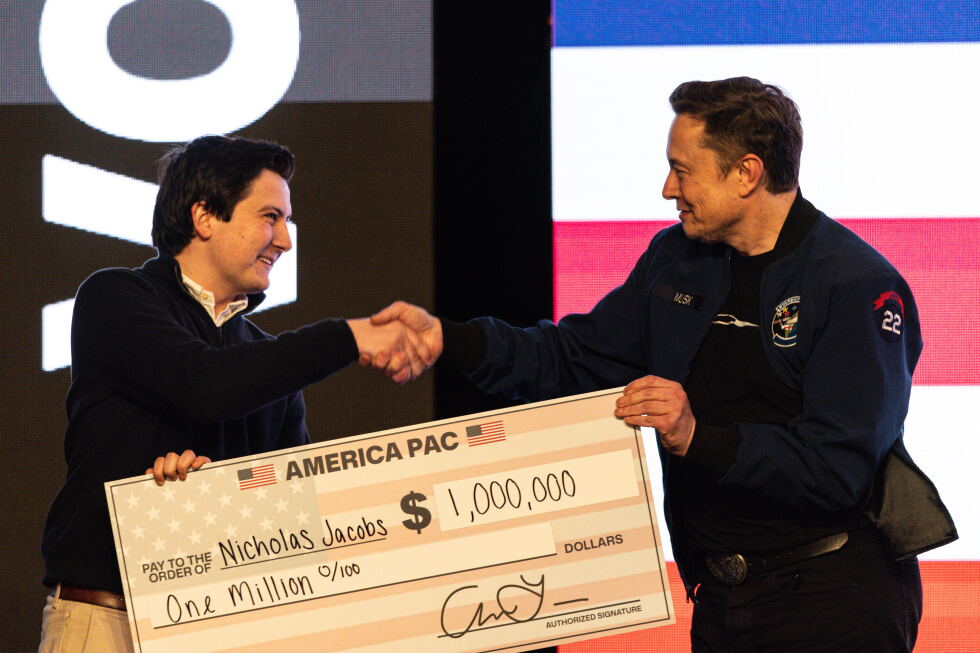
Elon Musk will not be charged with election bribery regarding his proposal to distribute $1 million to voters in the 2025 Wisconsin Supreme Court election. La Crosse County District Attorney Tim Gruenke concluded that a jury would not find Musk’s actions to constitute bribery.
As the CEO of Tesla and founder of SpaceX, Musk was a prominent figure in efforts to shift the balance of the Wisconsin Supreme Court. However, the candidate supported by Musk and Republicans was defeated by Susan Crawford, who maintained the court’s liberal majority with Democratic backing.
In July, the Wisconsin Elections Commission, comprising members from both parties, referred two complaints about Musk to the Brown County district attorney’s office. Musk’s social media post, which promised a million-dollar giveaway in Green Bay exclusively for voters, was scrutinized. Musk later amended his post, specifying that the event was for those signing a petition against activist judges, with funds directed to petition advocates.
Gruenke, appointed as a special prosecutor, stated that he could not persuade a jury that Musk’s actions amounted to bribery. “Either way the first post is perceived, in the end nobody was paid anything of value for voting or promising to vote,” he explained, emphasizing that no payment was made for voting.
Despite the involvement of Musk’s “famous name” and significant monetary figures, Gruenke described the situation as a case of “a poorly worded statement” that was corrected to comply with legal standards.
Musk’s legal representatives have not commented on the matter. The Wisconsin Supreme Court election attracted over $100 million in spending, marking it as the most expensive judicial race in U.S. history. Musk and his affiliated groups spent upwards of $20 million supporting Brad Schimel, who lost to Crawford by a 10-point margin.
An attempt by Wisconsin’s Democratic attorney general to prevent Musk from distributing the promised checks was dismissed by state courts. Musk’s legal team argued that these actions were protected as free speech under both Wisconsin and U.S. constitutions.