In a significant development in Russian politics, the Supreme Court has mandated the removal of Yabloko, the sole party opposing Russia’s military engagement in Ukraine, from the forthcoming parliamentary election ballot. This decision follows a challenge by a pro-Kremlin faction, despite the Central Election Commission initially approving Yabloko’s participation alongside ten other political entities.
Historically a vocal liberal presence in the Russian parliament, Yabloko has been critical of government policies. It lost its parliamentary seats as the Kremlin intensified its control over the political landscape. Recently, Yabloko stood alone in its registered opposition to the deployment of troops to Ukraine.
The party’s campaign messages, emphasizing peace and diplomacy, have resonated with its supporters. Grigory Yavlinsky, a co-founder and head of Yabloko’s political committee, expressed disappointment with the court’s ruling and announced plans to challenge it, stating, “Barring Yabloko from the election means a refusal to engage in dialogue with those who ask questions that make the authorities uncomfortable.”
Support for Yabloko’s Agenda
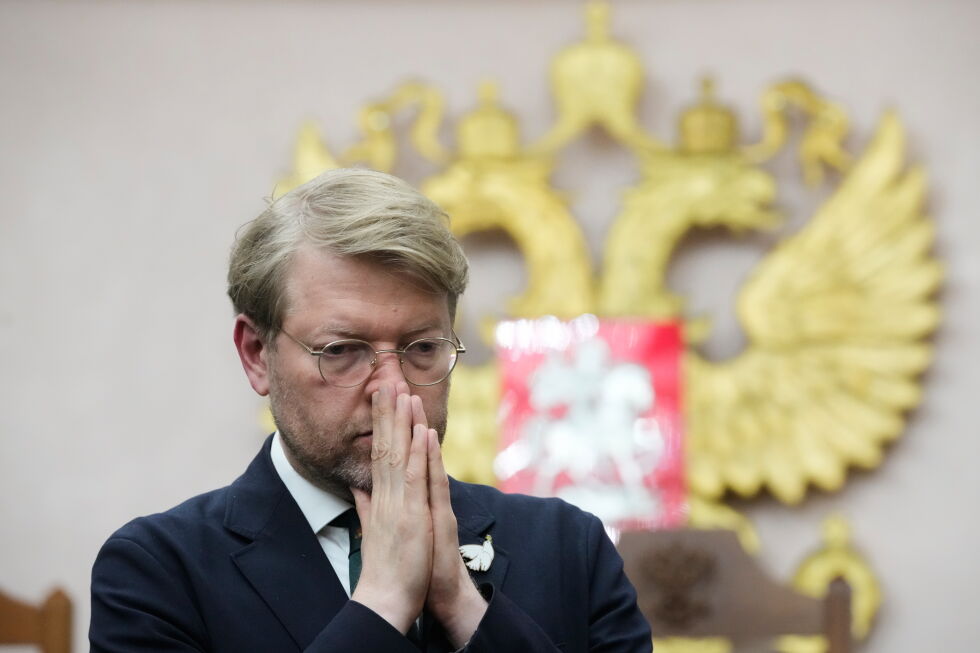
Yabloko has received backing from various opposition figures, including Yulia Navalnaya, widow of Alexei Navalny, who endorsed the party’s anti-war stance on Telegram. However, Yabloko’s chairman, Nikolai Rybakov, distanced the party from unsolicited endorsements by Kremlin critics abroad, fearing it might jeopardize their electoral inclusion.
Social media has seen a surge of support for Yabloko, with many posting videos featuring apples as a symbol of their backing for the party. Rybakov clarified in court that these were grassroots efforts, not financed by the party, as supporters desired a peaceful existence in Russia.
Nikolay Petrov from the NEST Centre suggested the initial approval for Yabloko’s candidacy was a strategic move to channel public dissent and demonstrate limited popular support for their Ukraine stance. However, the party’s peace-driven campaign has gained unexpected traction, complicating the Kremlin’s strategy.
Criticism from Kremlin-aligned Parties
Kremlin-supporting parties have criticized Yabloko’s stance on Ukraine. Sergei Mironov, leader of A Just Russia Party, called for a legal investigation into Yabloko’s activities, while Gennady Zyuganov of the Communist Party criticized Yabloko for not aligning with President Putin’s policies.
The legal action leading to Yabloko’s ballot removal was initiated by the Motherland Party, accusing Yabloko of campaign violations and unlawful positions on Ukraine. Yabloko’s legal team refuted these claims during the court proceedings, where supporters gathered to show solidarity.
Challenges and Repression
Yabloko has faced mounting repression as the Kremlin cracks down on dissent. Prominent members have been jailed or labeled as “foreign agents,” hindering their political participation. Maxim Kruglov and Lev Shlosberg, both key figures in Yabloko, have encountered severe legal challenges, with Kruglov sentenced to seven years in prison and Shlosberg facing up to ten years on similar charges.
Boris Vishnevsky, another deputy chairman, was designated a “foreign agent,” compelling him to resign from the St. Petersburg city council due to new legislation restricting such individuals from holding office.