States Challenge Trump Administration’s New Tariffs in Court
In a significant legal challenge, 25 states have filed a lawsuit against the Trump administration, contesting the imposition of new tariffs. These tariffs, described by the states as an attempt to replace the import taxes that the Supreme Court struck down in February, have raised concerns among state officials and businesses.
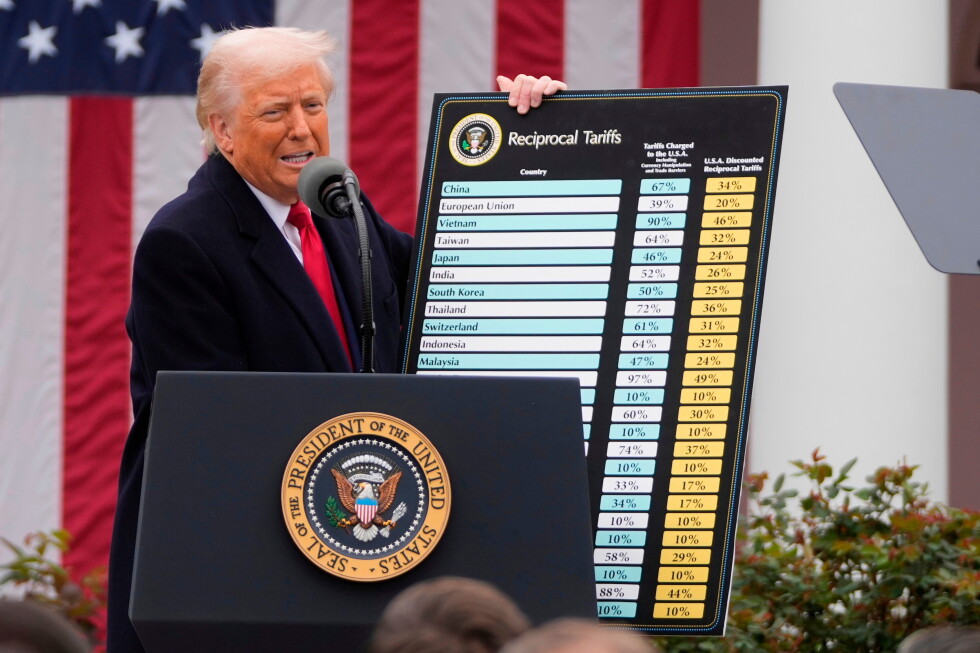
Last month, the U.S. imposed substantial tariffs on imports from 59 countries and the European Union. The administration justified these double-digit tariffs as a response to inadequate efforts by these countries to curb imports produced by forced labor. These new tariffs coincided with the expiration of temporary tariffs that President Donald Trump had previously enacted following a Supreme Court defeat.
“After losing at the Supreme Court, the administration is once again trying to illegally raise taxes on families and businesses with a new round of tariffs,” stated New York Attorney General Letitia James. New York is joined in this legal action by states including Arizona, California, and Illinois, among others.
President Trump, advocating for higher tariffs to boost American manufacturing, had earlier reversed longstanding U.S. trade policies favoring lower tariffs. By invoking the 1977 International Emergency Economic Powers Act, he had imposed substantial tariffs on numerous imports, citing the national trade deficit as an emergency. However, the Supreme Court ruled that this act did not authorize such tariffs, leading to refunds for importers and the adoption of temporary tariffs, which have since expired.
Currently, the administration is implementing more enduring tariffs under Section 301 of the Trade Act of 1974. This section allows the president to impose import taxes and sanctions on countries engaging in unfair trade practices. Section 301 had previously been used to levy tariffs on China, which withstood legal scrutiny.
These forced-labor tariffs, ranging from 10% to 12.5%, affect countries supplying 99% of American imports. “The United States is using its lawful authority to obtain the elimination of unreasonable acts, policies, and practices that burden U.S. commerce,” said White House spokesman Kush Desai. He emphasized the longstanding legal viability of Section 301 tariffs.
The states’ lawsuit comes after two other legal challenges were filed in the Court of International Trade by small businesses in July. These lawsuits argue that the government did not provide sufficient evidence against each specific economy or detail how the tariffs would address the issues they target, as required by Section 301.
Barry Appleton, co-director of New York Law School’s Center for International Law, commented on the recurring nature of the administration’s tariff strategies, noting the “nearly copy-pasted” approach. He highlighted that although previous statutes used for tariffs were novel, Section 301 has historical precedence.
He further explained, “Presidents have used it for decades, and Congress built it with real guardrails: investigation, consultation, a public record.” Appleton emphasized that the government’s defense will focus on adhering to the legal framework established by Congress, making this a substantive legal battle.