Trump’s Lawsuit Against IRS Deemed Improper by Judge
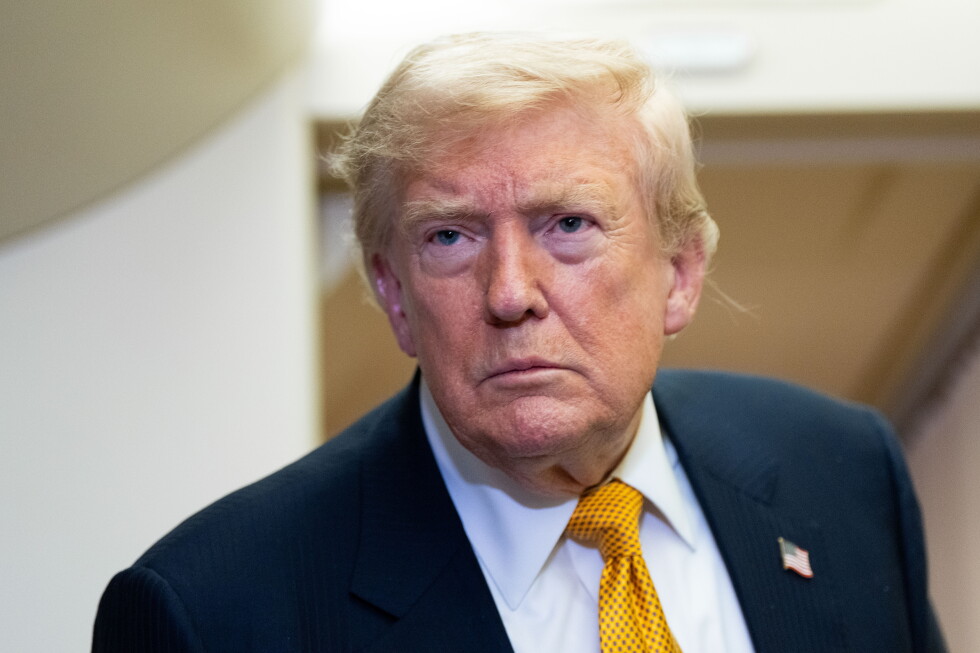
In a recent development, U.S. District Judge Kathleen Williams criticized former President Donald Trump’s lawsuit against the Internal Revenue Service (IRS), labeling it as filed for an “improper purpose.” The ruling, issued on Monday, also referred one of Trump’s lawyers for disciplinary actions and characterized the $10 billion complaint as self-serving.
Judge Williams accused Trump of manipulating the judicial process by suing a federal agency under his control. This action sidestepped the requirement for opposing interests in a lawsuit and led to a settlement last spring that allegedly provided him with immunity from tax audits. Moreover, it established a fund intended to compensate Trump’s allies who claimed unjust persecution.
While the administration has publicly stated that the $1.776 billion Anti-Weaponization Fund has been discontinued, the judge’s decision revives a politically sensitive issue. This development comes at a critical time for Acting Attorney General Todd Blanche, who is preparing for his Senate Judiciary Committee confirmation hearing on Wednesday.
Judge Williams expressed her concerns about the misuse of the court system: “The nature of the suit itself and the conduct of the Parties and counsel from its filing make plain that this was an attempt to use the Court to provide some legitimacy to an agreement to confer immunity to people and entities affiliated with the President and to earmark billions of dollars from American taxpayers to redress grievances not defined in the law.”
Additionally, she stated: “The President may be the functional ‘dominus litus’ of the Executive Branch, but as a party to a civil suit, he, as well as all the parties and lawyers before a court, are bound by the rules. Ensuring that our courts are used only for the express purpose created by the Constitution is the obligation of every judge and an obligation that this Court must discharge in light of the matter before it.”
The judge referenced Blanche’s testimony in Congress earlier in June, where he indicated that the anti-weaponization fund was no longer progressing due to significant bipartisan opposition. Although not filed in court, Blanche seemed assured during his testimony that he could “speak for, and bind, both sides of this matter,” as noted by the judge.
In her ruling, Williams highlighted: “Acting Attorney General Blanche’s apparent capacity to speak for both Plaintiffs and Defendants, sign a ‘settlement’ document on behalf of all Parties to this action, and then repudiate part of that agreement, demonstrates that there was only one party whose interests were being represented throughout this case.”