Nicaragua’s Legal Profession Faces Significant Challenges Amid Government Actions
Recent actions by Nicaragua’s government have resulted in the revocation of many lawyers’ licenses to practice, a move described by a United Nations expert as a significant “purge of the legal profession.” This latest action is seen as part of a broader effort to dismantle the country’s remaining democratic structures.
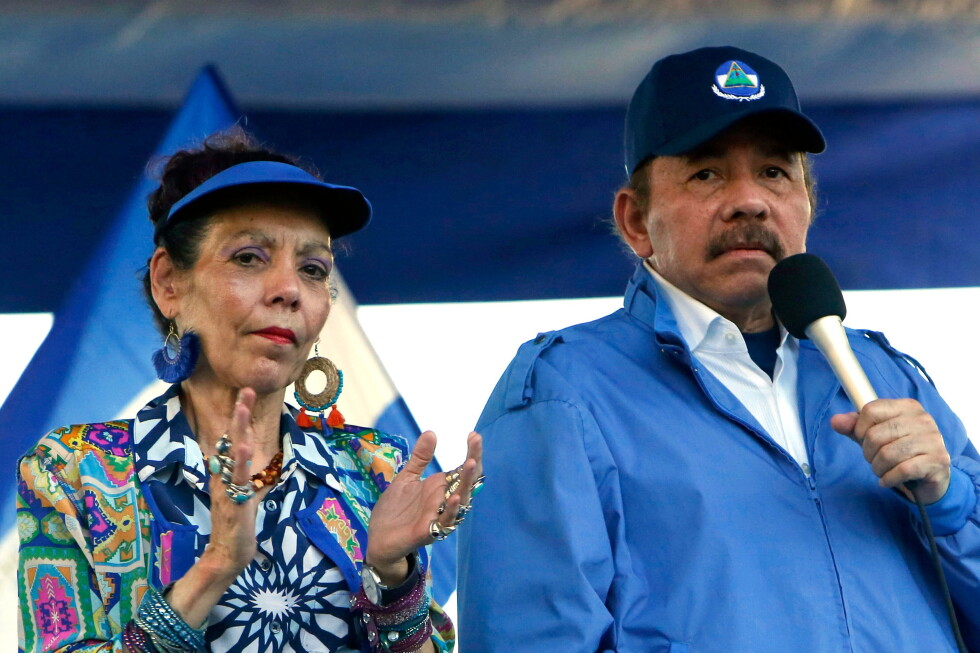
The leadership of President Daniel Ortega and Vice President Rosario Murillo has been intensifying measures against dissent since the suppression of mass protests in 2018. The government has not only targeted political adversaries, religious leaders, and journalists with imprisonment but also forced numerous citizens to leave the country. Additionally, hundreds have been stripped of their Nicaraguan citizenship and properties. More than 5,000 organizations, mainly religious but also including local clubs and scouting groups, have been shut down since 2018.
In recent developments, many lawyers found their licenses removed from the Supreme Court of Justice’s registry without any formal explanation. Reed Brody, a U.S. human rights lawyer on a U.N. panel for Nicaragua, along with other affected lawyers, confirmed this issue. Despite requests, the government has not commented on the situation.
Brody estimates that the number of affected lawyers could range from hundreds to thousands, indicating a continuation of a pattern where the government had previously targeted NGOs, universities, the media, and religious institutions. “Anyone who might stand between the government and citizens,” Brody remarked.
Juan Diego Barberena, a lawyer and human rights advocate now exiled in Costa Rica, confirmed his certification was revoked and mentioned knowledge of at least 25 others in a similar situation. Barberena attempted to access his accreditation on the government’s database, only to find his details erased.
Barberena described the situation as a form of “totalitarian control over the legal profession,” stating that it allows the government to control who is allowed to practice law.
This action follows previous government measures affecting Nicaraguans, including exiles who lost citizenship and were declared stateless. Barberena and Brody highlighted that the recent revocation of legal certifications had affected not only dissidents but also ordinary Nicaraguans and some government supporters.
Brody interprets these actions as an attempt to eliminate any semblance of independence within Nicaragua’s judicial system, which is already under the influence of Ortega and Murillo.
Barberena emphasized the dual nature of these measures: as punishment for political dissent and as a strategic move to prevent professionals from contributing to the nation’s institutional future.
For more coverage of Latin America and the Caribbean, visit AP’s dedicated section.