WASHINGTON (AP) — In a recent court session, U.S. District Judge Ana Reyes expressed the need for clearer assurances from the Trump administration regarding the planned renovations of a historic golf course in Washington, D.C. Her concerns were heightened by statements from President Donald Trump suggesting that significant changes to the East Potomac Golf Links might proceed before the legal case concludes.
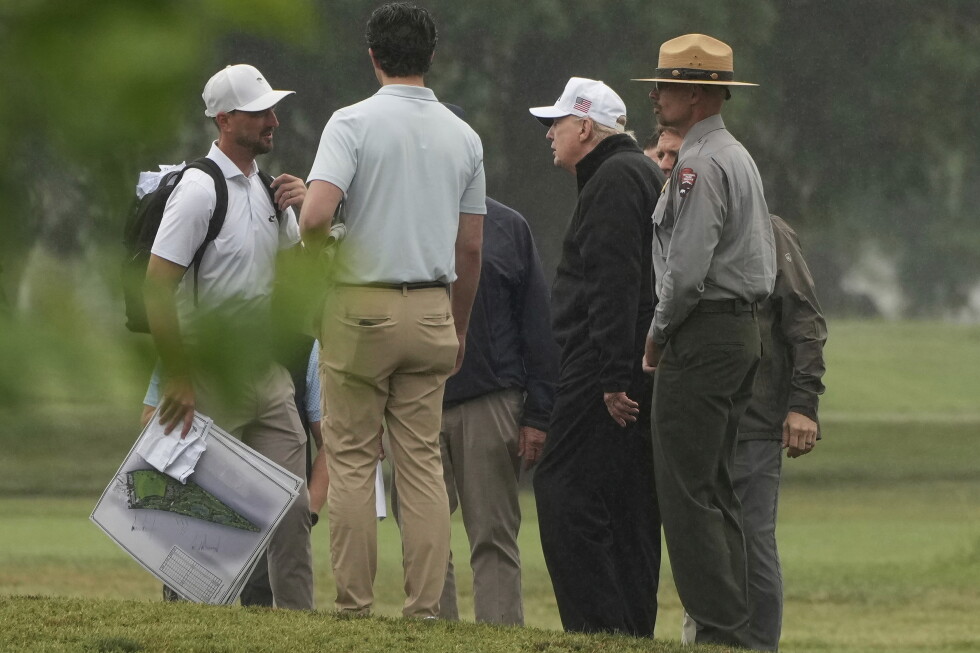
President Trump’s social media posts indicated that the renovation process would commence on September 1, prompting the judge to question the administration’s readiness to move forward with the project. During a Sunday visit to the golf course, President Trump reportedly reviewed detailed renovation plans, raising further questions about the project’s progression.
Judge Reyes has yet to make a formal ruling, instead opting to engage in discussions with government attorneys. “I’m just not there yet,” she remarked, indicating her reluctance to assume any bad faith actions by the agency involved.
Two Weeks for Further Negotiations
The judge provided both parties a two-week period to formulate a proposal that would prevent any unexpected commencement of construction activities, such as “chopping down cherry trees” in the middle of the night. This judicial intervention followed a request from plaintiffs who are attempting to halt the administration’s plans.
Concerns about the renovation have been fueled by President Trump’s recent visits to several sites in the capital where he has initiated alterations. On social media, Trump remarked on the golf course’s future potential to host major events like The U.S. Open and The Ryder Cup, despite the uncertainty of when such tournaments could realistically occur.
During his visit, course designer Tom Fazio, who has been linked to the renovation plans, accompanied Trump. Judge Reyes expressed skepticism over Fazio’s involvement, questioning whether he would develop plans “out of the goodness of his heart.”
Nevertheless, Justice Department attorney Michael Robertson clarified that Fazio’s plans were merely “conceptual” and not officially commissioned by the Interior Department. He emphasized that any renovation would still require approvals from multiple planning bodies, including the National Capital Planning Commission and the U.S. Commission of Fine Arts.
Legal Hurdles and Environmental Concerns
The lawsuit concerning the golf course is part of a broader pattern of legal challenges against President Trump’s initiatives to modify public spaces in Washington, D.C. The East Potomac Golf Course has also allegedly been used as a dumping site for debris from the East Wing of the White House, which was demolished to make way for a new ballroom.
Judge Reyes noted the need for evidence from the plaintiffs about any potential hazards posed by the debris. Without such evidence, she would not consider ordering its removal.
The current legal dispute over the golf course dates back to February, with allegations that the proposed renovations violate the 1897 congressional act that established East Potomac Park. The DC Preservation League, a plaintiff in the case, sought an emergency injunction in May amid fears that work could begin immediately.