Federal Reserve’s Warsh Reaffirms Commitment to Inflation Control
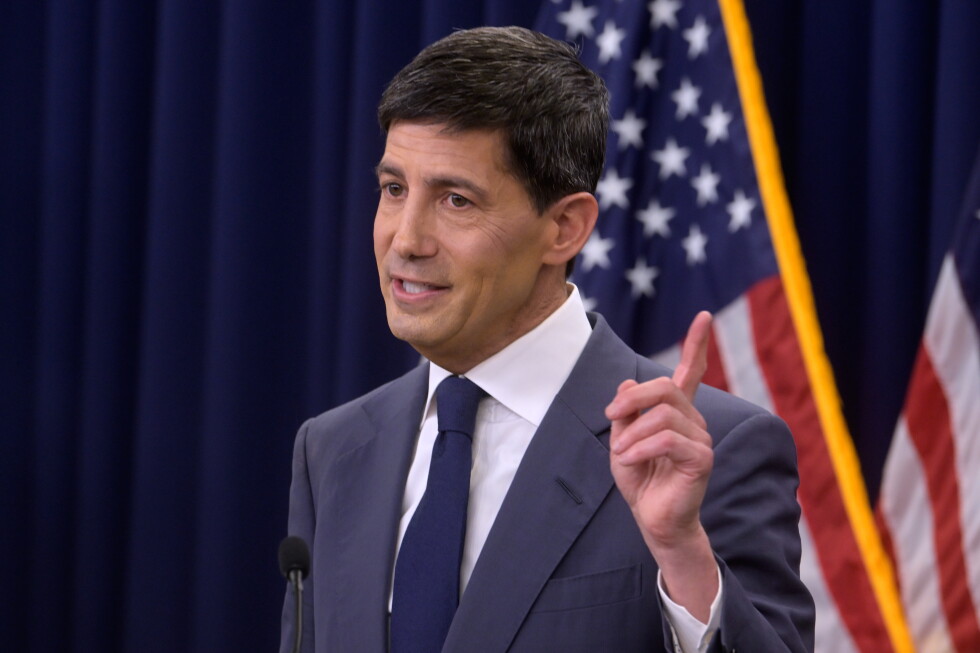
Kevin Warsh, the newly appointed chair of the Federal Reserve, emphasized the central bank’s commitment to maintaining its independence and controlling inflation during a recent conference in Sintra, Portugal. Warsh, who succeeded Jerome Powell on May 22, addressed concerns about potential interest rate cuts, a move President Donald Trump has previously pushed for.
Warsh reassured attendees that the Federal Reserve would not tolerate inflation exceeding 2%, stating, “I guess they’d be disappointed. We’re going to deliver price stability.” This sentiment underscores the Fed’s traditional approach of combating inflation through increased borrowing costs.
Addressing Trump’s calls for lower rates, Warsh highlighted the Fed’s longstanding independence, remarking, “We’ve been an independent central bank for a very long time. We’re going to be an independent central bank at this moment and you’re going to see no changes to that.”
Since assuming the role, Warsh’s stance on interest rates appears to have shifted. Previously advocating for lower rates, he now focuses on reducing inflation. Despite this pivot, Warsh refrained from detailing specific measures the Fed might adopt, sticking to his opposition to “forward guidance.” “I’m not going to make a judgment now,” he commented, suggesting that forthcoming strategies are still under consideration.
Speculation among Wall Street investors suggests a potential Fed rate hike as early as September, potentially raising the key interest rate from its current 3.6% to about 3.9%. During the Fed’s recent June 16-17 meeting, nearly half of its 19 policymakers supported higher rates, with others favoring no change or a cut. Warsh abstained from submitting a forecast, consistent with his stance against providing guidance.
The economic landscape has evolved since Warsh’s nomination in January. Inflation surged to a three-year peak of 4.2% in May, driven by increased gas prices due to the Iran conflict. However, a subsequent peace agreement has led to a decline in gas prices, indicating a potential peak in inflation. Fed officials might wait to gauge inflation’s trajectory if energy prices return to pre-conflict levels.
Warsh pointed to moderated inflation threats, citing declining inflation expectations from recent surveys and bond prices. A pressing issue for Warsh is whether to increase rates in upcoming meetings to reinforce his anti-inflation stance. If energy prices continue to decrease, he may avoid such action.
Meanwhile, employment trends have improved, with economists predicting a robust jobs report and maintaining a 4.3% unemployment rate. This could reduce the urgency for the Fed to lower borrowing costs.
Warsh also expressed optimism about the long-term economic benefits of artificial intelligence in enhancing productivity and reducing inflation. Nonetheless, many economists believe these technological impacts may take time to manifest. In the immediate term, AI infrastructure investments are driving up costs for semiconductors and computing equipment, contributing to inflation.
While Warsh declined to comment on AI’s inflationary effects, he noted the establishment of five Fed task forces examining various issues, including AI’s impact on productivity. “This is as exciting a time and also as consequential a time to be a central banker that I can think of at any point, maybe outside of a crisis, in my adult lifetime,” Warsh remarked.