A decision by a Brazilian court on a contentious mining venture in the Amazon rainforest is anticipated on Wednesday. This project, operated by Canadian-based Belo Sun Mining Corp, has been under scrutiny, with the court set to decide whether the federal government or the state of Para holds the authority to issue environmental licenses.
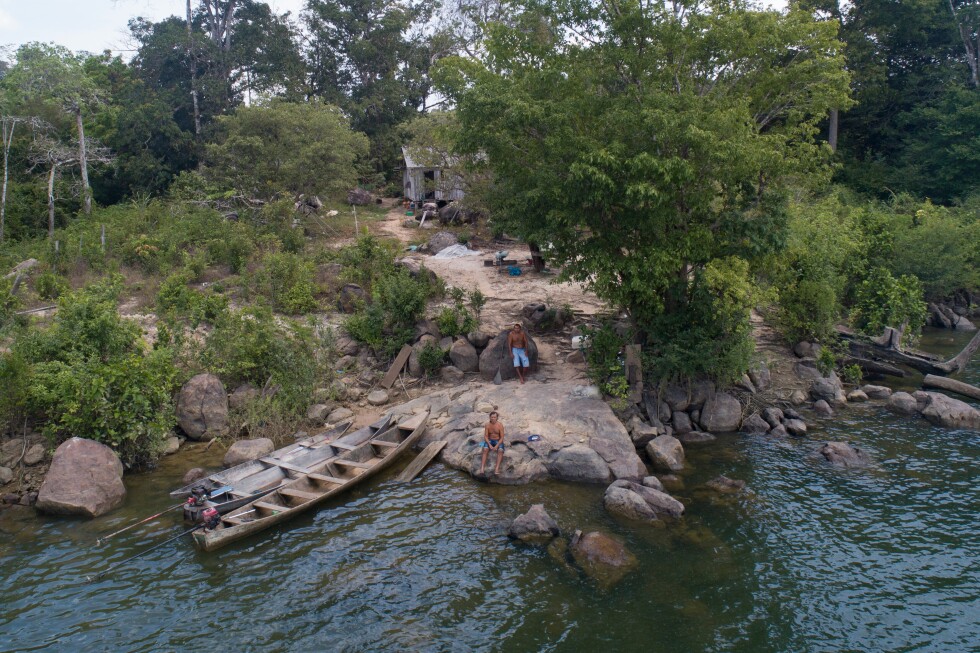
The proposed Volta Grande gold mine, located along the Xingu River in Para and approximately 20 kilometers from the Belo Monte hydroelectric dam, has been under consideration by Belo Sun since 2012. The dam’s operations have already impacted local water flow and communities significantly.
Project Overview and Environmental Concerns
Envisioned as the largest gold extraction operation in the Brazilian Amazon, the Volta Grande mine is expected to extract 3.52 million ounces of gold over 17 years, involving the excavation of over 600 million tons of material across a 24-square-kilometer area. The project would affect 125 hectares of Amazon rainforest.
An independent review in 2021 by scientists from the University of Sao Paulo and the University of Amazonas raised concerns about the project’s viability, particularly a proposed tailings dam near the Xingu River. Experts warned that a dam failure could release toxic waste into the river, endangering local Indigenous and riverine communities.
The project threatens to displace 813 families, according to the Articulation of Indigenous Peoples of Brazil. These communities have already suffered from droughts linked to the Belo Monte dam, which reduced the Xingu River’s flow where the mine is planned.
Prosecutors, citing Amazon Watch, estimate that the mine could emit approximately 3.7 million tons of carbon dioxide, contributing to global warming, with emissions calculated at one ton of CO2 per 28 grams of gold extracted.
Legal Challenges and Indigenous Opposition
Since 2013, the Volta Grande project has faced legal challenges, primarily due to inadequate consultation with Indigenous communities. A federal court ruling in 2017 required federal government approval and formal Indigenous consultation, which Belo Sun claims to have fulfilled according to set protocols.
However, in 2025, justices reversed this decision, enabling Para state to issue licenses. This prompted a prosecutor appeal, claiming the reversal constituted a new trial. Federal prosecutors argue the project’s national implications necessitate federal oversight, as it affects Indigenous territories and federal waterways, including further impacts on the Belo Monte dam.
Federal prosecutor Felício Pontes Jr. emphasized the cumulative impacts on the hydroelectric dam as a core issue, noting that courts have recognized Belo Monte’s broader-than-anticipated effects, mandating compensation and revised water management by the dam operator.
Potential Outcomes and Future Steps
A ruling to return authority to the federal government could nullify the 2025 environmental licenses granted by Para, although further legal challenges may ensue. Meanwhile, Belo Sun has initiated new technical assessments for the Volta Grande project, aiming to update its feasibility study and develop a phased project plan by late 2026.
Belo Sun maintains that the project continues to undergo environmental scrutiny by relevant Brazilian regulatory and judicial bodies.