Brazilian Senate Rejects Lula’s Supreme Court Pick in Historic Decision
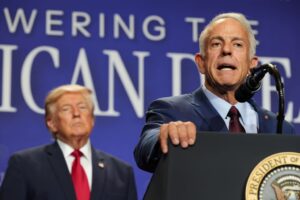
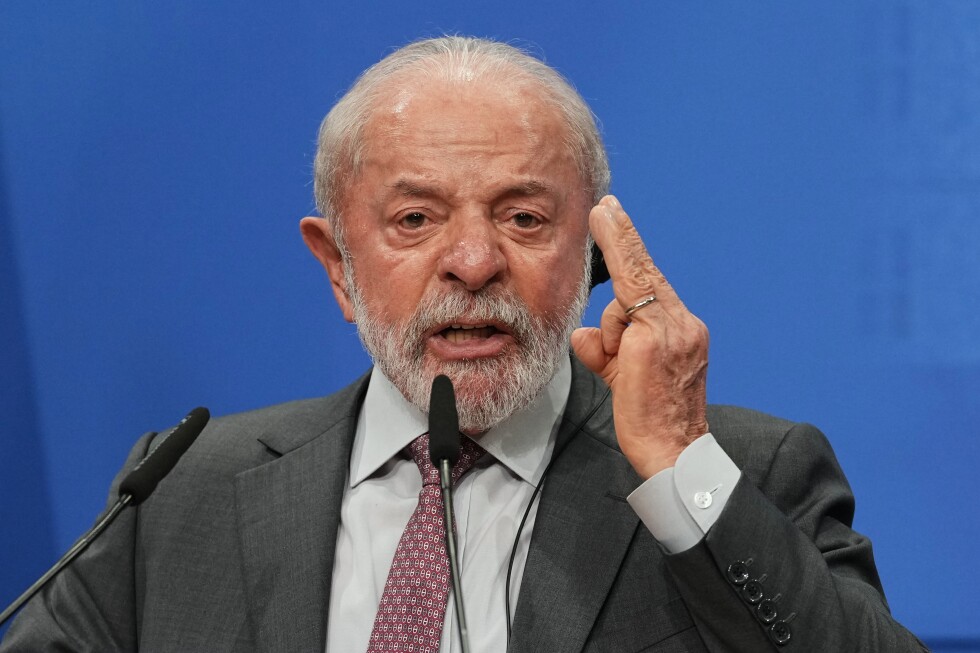
In a significant political development, Brazil’s Senate has turned down President Luiz Inácio Lula da Silva’s choice for the Supreme Court. The nomination of Jorge Messias was rejected, marking the first such denial in over 130 years, reflecting potential challenges Lula faces among influential lawmakers during his reelection campaign.
The vote concluded with 34 senators supporting Messias, while 42 opposed him. Messias, serving as Brazil’s solicitor-general since 2023 and a close legal advisor to Lula, required 41 votes for confirmation. The rejection was celebrated by several, including Sen. Flávio Bolsonaro, a potential presidential candidate.
After the decision, Messias expressed gratitude for the support received and acknowledged the realities of the political process, stating, “That’s life. There’s days of victory, days of defeat. We have to accept it.”
Senate President Davi Alcolumbre had endorsed another candidate prior to Lula’s choice, reportedly causing friction due to Lula not selecting former senator Rodrigo Pacheco. Political analyst Creomar de Souza highlighted the difficulties Lula has faced with the legislature since taking office, noting the Messias rejection as a key indicator of these challenges.
According to de Souza, the lack of strategic coordination and delayed nomination process placed Messias in a vulnerable position, ultimately leading to the failed appointment. Lula, seeking another term in October, intended for Messias to fill the vacancy left by Luís Roberto Barroso’s resignation, leaving the Supreme Court with 10 members.
Sen. Flávio Bolsonaro interpreted the rejection as a response to perceived overreach by the Supreme Court, which had sentenced his father, former President Jair Bolsonaro, to a lengthy prison term for attempted coup charges.
While Messias had previously secured approval from a Senate commission, the full Senate’s secret ballot resulted in his rejection. Despite support from some court members and efforts to appeal to lawmakers of evangelical backgrounds, Messias did not receive sufficient votes.
Supreme Court Justice André Mendonca, appointed for his legal and evangelical background by Jair Bolsonaro, lamented the missed opportunity of Messias joining the court, describing him as “a man of character” who met the necessary qualifications.
President Lula is now tasked with nominating another candidate for the Supreme Court, who will undergo the same vetting process before facing another Senate vote. The last instance of a rejected Supreme Court nominee occurred in 1894, during the presidency of Floriano Peixoto.
For more on Latin America and the Caribbean, visit AP’s Latin America coverage.