Pennsylvania Supreme Court Grants Public Access to Cast Vote Records
The Pennsylvania Supreme Court has unanimously ruled that spreadsheets containing raw data from ballots, known as “cast vote records,” are public records. This decision follows a request from an election researcher associated with the Trump Administration.
According to the Democratic-majority court, the ruling aims to reassure the public about the security and accuracy of elections while maintaining the confidentiality of individual votes as required by the state constitution.
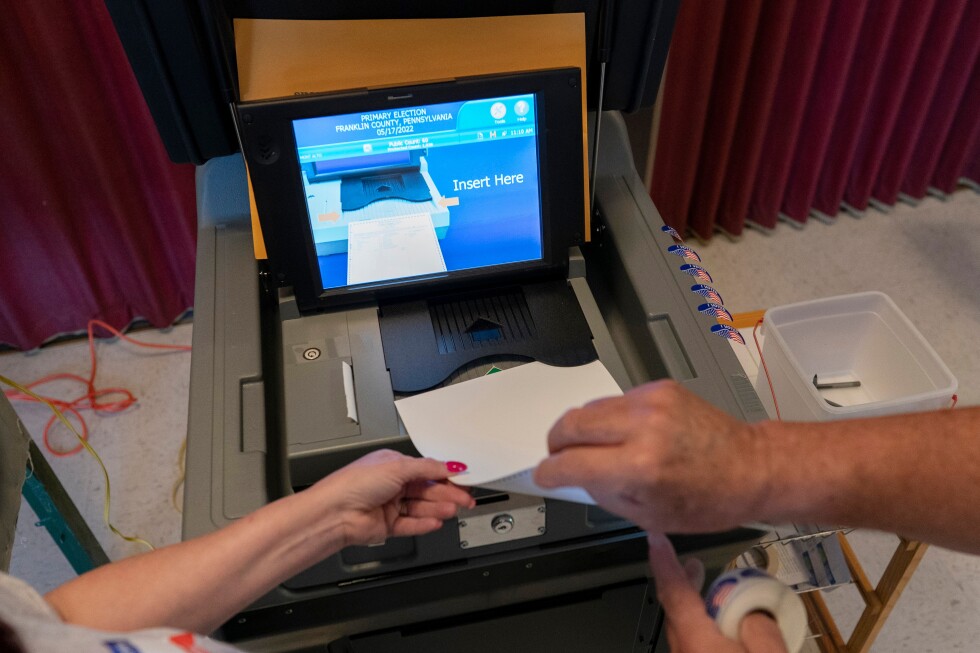
In Lycoming County, election officials had initially refused to provide Heather Honey, the researcher, with digital copies of the 2020 presidential election data. They argued that this would be equivalent to examining the contents of a ballot box on a vote-by-vote basis. Cast vote records are generated when votes are cast electronically or scanned.
While Pennsylvania law allows public access to many electoral records, it restricts access to the contents of ballot boxes and voting machines. Lycoming Voter Services contended that their scanners and tabulators function as voting machines, and thus the cast vote records are part of the ballot box contents.
Honey, who did not reside or vote in Lycoming County, was succeeded by three local residents in the legal challenge. These include a businessman, a retired state trooper, and Republican state Representative Joe Hamm.
Thomas Breth, the attorney representing the residents, emphasized the significance of the data for reviewing the 2020 election outcomes. “It’s not solely about the past,” Breth stated. “It’s about the future. This significantly improves election integrity moving forward in the Commonwealth of Pennsylvania.”
Forrest Lehman, Lycoming County’s elections director, expressed readiness to provide the records, stating, “The court made its decision, and anybody who wants it can have at it.” He also noted that the records contain randomized data and should not disclose any confidential ballot information.
The Supreme Court clarified that cast vote records are simply spreadsheets of raw data derived from cast ballots and not the physical ballots themselves. Therefore, these records do not compromise the secrecy of the vote, akin to a general vote tally from an election.
While the ruling specifically pertains to Lycoming County, the court acknowledged that data randomization practices might vary across counties. Justice Daniel McCaffery noted, “Whether the Election Code requires disclosure of CVRs that clearly link the contents of a ballot with personally identifying data is not before us.”
Breth dismissed concerns about potential privacy breaches, citing state election equipment standards designed to protect voter identity.