Virginia University Shooting Sparks Questions on Early Release of Terror Convict
NEW YORK (AP) — A recent shooting at Virginia’s Old Dominion University has brought to light the early release of Mohamed Bailor Jalloh, the gunman involved, from federal prison. Jalloh, who had a prior conviction for supporting the Islamic State group, was released early after completing a drug treatment program despite the nature of his offense.
Jalloh, convicted in 2017 for providing material support to a terrorist group, was initially sentenced to 11 years. However, he was released approximately 2½ years early, according to prison records. The federal Bureau of Prisons cited a loophole in a legal provision that allowed his early release, which has since been closed to prevent similar future occurrences.
The Bureau confirmed the loophole allowed certain offenders with terrorism-related convictions to reduce their sentences by completing a substance abuse treatment program. This gap in policy has now been addressed, ensuring no further inmates with similar convictions benefit from such programs, especially after the union contract with correctional workers was canceled.
Jalloh served time at a low-security prison in Pennsylvania before being transferred to a halfway house in Baltimore in August 2024. He was released from federal custody in December 2024 and was on supervised release at the time of the shooting at Old Dominion University.
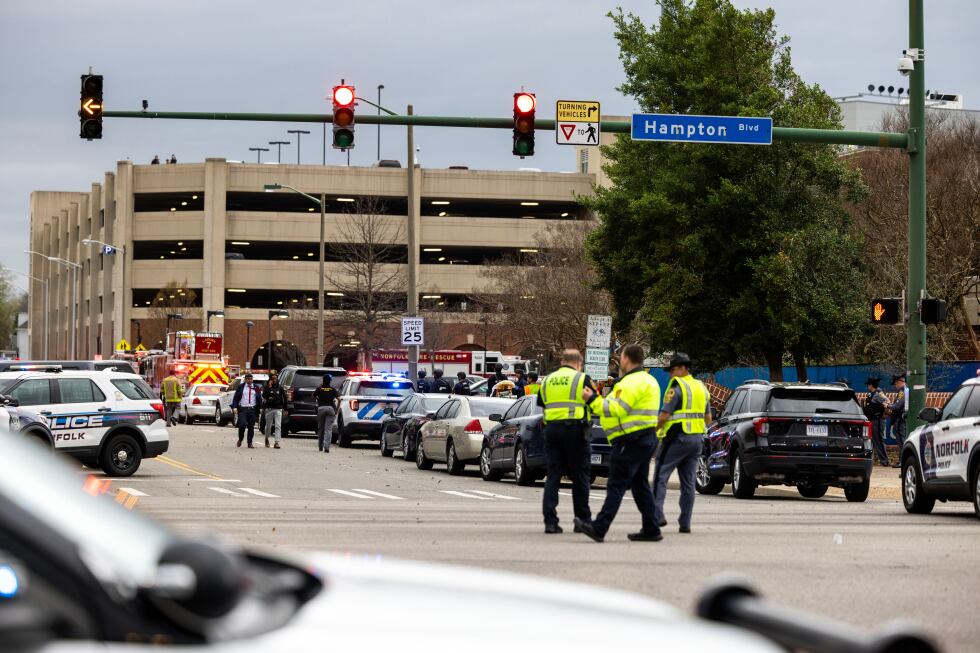
The attack, which resulted in one fatality and two injuries, ended when ROTC students subdued and killed Jalloh. His previous military background as a former Virginia Army National Guard member and his ties to the Islamic State group have raised concerns among elected officials about how he managed to execute such an attack.
Background and Legal Proceedings
Jalloh’s involvement with the Islamic State came to light during a 2016 FBI sting operation. He confessed to an undercover agent about contemplating an attack similar to the 2009 Fort Hood shootings. Despite his arrest and subsequent conviction, Jalloh’s legal team argued for a lighter sentence, citing his drug use and emotional distress following a personal breakup.
During sentencing, U.S. District Judge Liam O’Grady ordered an 11-year term with participation in substance abuse and mental health programs. Despite this, Jalloh’s early release was facilitated by the Residential Drug Abuse Program, which can reduce a sentence by up to a year.
Controversy Over Sentence Reduction
The Justice Department initially sought a 20-year sentence, arguing Jalloh’s commitment to a “deadly ideology” posed a serious threat. However, due to the legal provisions at the time, the sentence was reduced. Inmates with terrorism-related convictions were not eligible for good conduct time credits under the First Step Act, but Jalloh’s participation in the drug program allowed him to benefit from a reduced sentence.
Radicalization and Personal Struggles
Originally from Sierra Leone, Jalloh became a U.S. citizen and later served in the Virginia Army National Guard until 2015. His radicalization was influenced by Anwar al-Awlaki, a radical cleric and al-Qaida propagandist. Jalloh’s radical transformation was compounded by personal issues, including substance abuse following a relationship breakdown.
In a letter to the federal judge, Jalloh expressed regret for his actions and denounced terrorism. His lawyers included excerpts from this letter in their arguments for a reduced sentence, highlighting his drug use as a factor in his radicalization.