Supreme Court Approaches Key Decisions, Including Trump Immunity Case
As the Supreme Court nears the end of its term, the nine justices are set to reconvene for their final session before the summer break. This session is expected to trigger a series of legal challenges in response to their concluding decisions.
Trump’s Immunity Argument
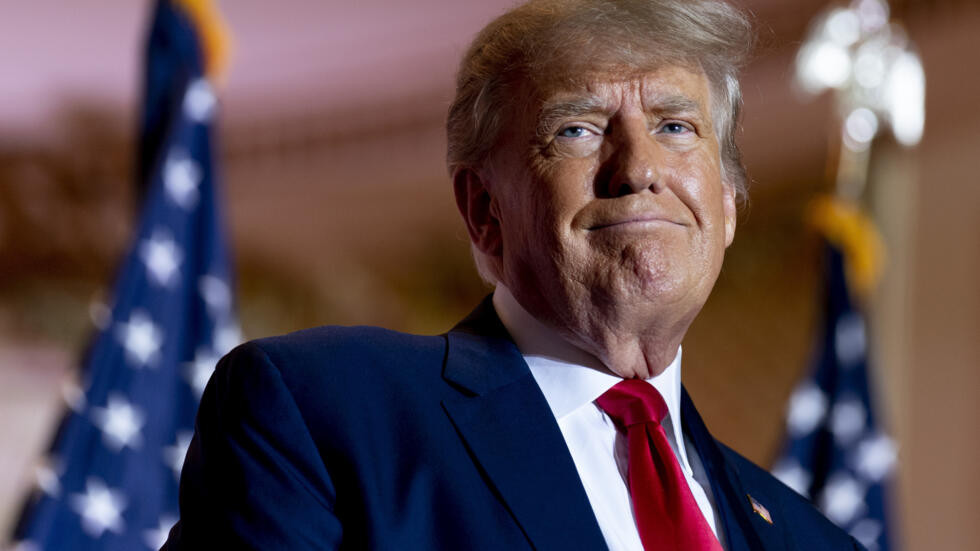
Former President Donald Trump contends that without presidential immunity, future presidents might be constrained, fearing legal repercussions after their tenure. This argument seemed to resonate with the court’s 6-3 conservative majority during the oral arguments held in April.
The ruling could have significant implications for Trump and future presidents. During a CNN debate, Trump accused President Joe Biden of potentially being “a convicted felon with all of the things he’s done” when questioned about seeking retribution against political opponents. Initially, Trump stated that his “retribution is going to be success” before launching into accusations against Biden.
The key issue in the immunity case is whether Trump’s actions after the election were part of his “official” presidential duties or if they were “private” actions, which would not be eligible for immunity.
First Amendment and Social Media Cases
The Supreme Court is also set to rule on two First Amendment cases involving social media platforms. These cases challenge laws in Florida and Texas aimed at preventing social media companies like Facebook and X from censoring conservative viewpoints. These laws prohibit the removal or demotion of political content posts.
Republican governors who enacted these laws argue that they are essential to prevent discrimination against conservatives on social media.
Despite changes in X’s content moderation policies under Elon Musk, the case still addresses significant First Amendment issues that could have far-reaching implications.
The central question in both cases is whether curating posts constitutes protected speech—similar to how news outlets are protected in their editorial choices—or if social media platforms are simply conduits for third-party content, which could allow for government regulation.
North Dakota Truck Stop Case
Another case under consideration involves a North Dakota truck stop contesting debit card transaction fees, potentially affecting other government regulations. The Supreme Court will determine if the truck stop can sue, considering a six-year statute of limitations on challenging government rules.
This technical issue carries significant implications, with the federal government cautioning that a decision in favor of the truck stop could lead to widespread challenges to government regulations.
Additional Supreme Court Actions This Term
This term, the Supreme Court has avoided addressing major questions in two significant abortion cases. The court has supported the Biden administration on one gun regulation while overturning a federal bump stock ban. Additionally, on Friday, the court narrowed a charge against hundreds involved in the January 6 Capitol attack.
Beyond these decisions, the term has been marked by off-bench controversies. These include stories about controversial flags, such as an upside-down US flag flown at properties owned by Justice Samuel Alito. An activist posing as a religious conservative at a Supreme Court event revealed secret recordings of Alito and Chief Justice John Roberts discussing politically sensitive topics.
In an unprecedented breach, the court accidentally posted a draft opinion in a major abortion case a day early. This temporarily blocked Idaho’s strict abortion ban in emergency health situations while litigation continues.