Supreme Court Reviews Mississippi Case on Late-Arriving Mail Ballots
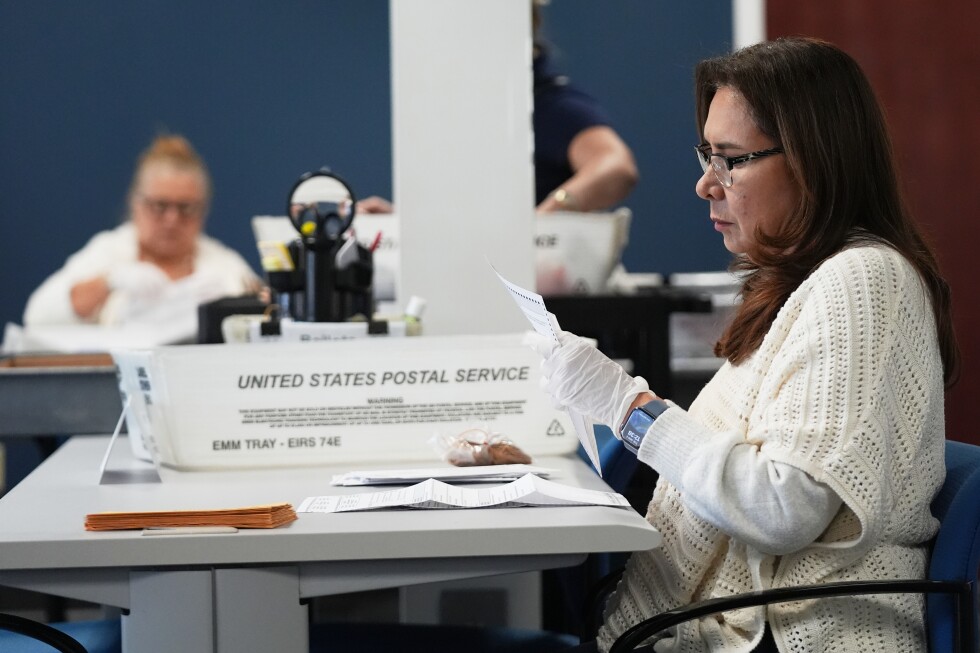
The U.S. Supreme Court is set to deliberate on a pivotal case from Mississippi addressing the legality of counting mail-in ballots that arrive after Election Day. The decision could potentially influence voting procedures in 14 states and the District of Columbia, which currently permit a grace period for ballots postmarked by Election Day. This ruling may also extend its impact on 15 additional states with lenient deadlines for ballots from military and overseas voters.
An official decision is anticipated by late June, which could establish new guidelines for the 2026 midterm congressional elections. State and urban election officials have expressed concern, warning that altering these practices mere months before an election could lead to voter confusion and potential disenfranchisement, especially in regions accustomed to relaxed ballot deadlines.
Among the states with post-Election Day ballot deadlines are California, Texas, New York, and Illinois. In rural Alaska, the challenges of vast distances and unpredictable weather necessitate the acceptance of late-arriving ballots.
Legal representatives from the Republican and Libertarian parties, alongside the Trump administration, are advocating for the Supreme Court to uphold an appellate court’s decision that invalidated a Mississippi statute. This law previously allowed ballots received within five business days post-election, provided they were postmarked by Election Day, to be counted.
This legal challenge forms part of former President Donald Trump’s broader critique of mail-in voting, which he has claimed fosters fraud, despite substantial evidence and historical data that refute this assertion.
In the previous year, Trump signed an executive order that sought to mandate that votes be “cast and received” by Election Day. However, this order is currently blocked pending further court proceedings. Concurrently, four Republican-led states—Ohio, Kansas, North Dakota, and Utah—have abolished grace periods, as reported by the National Conference of State Legislatures and Voting Rights Lab.
The central legal question before the Supreme Court is whether federal law mandates a single Election Day, obligating ballots to be both cast and received by this date. In the ruling against Mississippi’s grace period, Judge Andrew Oldham of the 5th U.S. Circuit Court of Appeals declared that the state law permitting the counting of late-arriving ballots contravened federal statutes. Judges James Ho and Stuart Kyle Duncan, both appointed by Trump, joined Oldham in the unanimous decision.