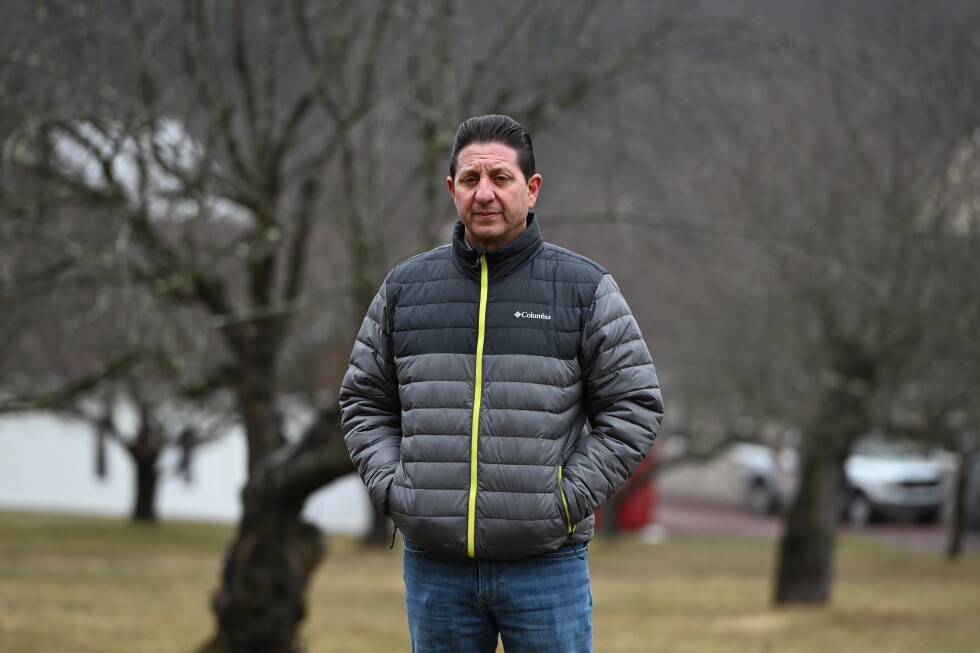
SUGARLOAF, Pa. (AP) — Nestled in the scenic hills of northern Pennsylvania lies 40 acres of land that John Zola once considered idyllic. This land, complete with apple orchards and space for multiple family homes, now faces the threat of transformation due to a planned 500-kilovolt power line proposed by a local utility company.
In late 2024, a contractor informed Zola about the construction of towering 240-foot metal structures that would dwarf the apple trees and overshadow his family’s residences and recreational areas. These power lines are part of a broader initiative across the United States, aimed at providing electricity to the sprawling data centers of major tech companies.
Despite advancements in artificial intelligence being touted by President Donald Trump as crucial for national interests, their electricity requirements pose significant challenges to the existing power grid, placing residents like Zola in difficult positions.
While PPL, the local utility, asserts that it has been conscientious about balancing its duties to provide power with minimizing impacts on residents, Zola remains skeptical, suggesting that financial considerations are the primary motivator. “They don’t look at whose lives they are destroying, whose property they are destroying,” he lamented.
Expansion of Power Infrastructure
The construction of these high-voltage power lines is becoming a contentious issue, reflecting a broader conflict over the infrastructure needs of tech giants. Communities have voiced concerns about the environmental and economic implications of these data centers, fearing increased electricity costs and potential harm to local landscapes.
Historically, transmission projects have been challenging, often entangled in lengthy approval processes. However, with a growing demand for electricity, especially from data centers, there is increasing pressure on the aging, inefficient grid. Utilities advocate that new lines, even those largely driven by demand from large corporations, ultimately benefit all by enhancing grid capacity.
Legislative efforts are underway to potentially streamline these projects by limiting state or environmental reviews. Additionally, some tech companies are exploring options to establish their own power sources to bypass bureaucratic hurdles. The lines in question are not the typical power lines; they are significantly larger and are designed to transport electricity over vast distances.
Community Reactions and Challenges
The predicted surge in transmission spending, expected to double to almost $50 billion annually by 2028, has sparked backlash from various groups, including landowners and environmental advocates. In Texas, the Hill Country Preservation Coalition emerged to challenge a massive 765-kilovolt line, urging a reroute to mitigate environmental damage.
Similarly, Pennsylvania’s consumer advocate, Darryl Lawrence, is questioning a $1.7 billion project intended to span over 200 miles, probing the necessity and economic prudence of such ventures. Meanwhile, West Virginians are contesting transmission lines meant to connect local coal plants to Virginia’s burgeoning data center region.
“These are real dollars and consumers are paying a lot of attention,” remarked Todd Snitchler, president and CEO of the Electric Power Supply Association, highlighting the financial implications for consumers.
Individual Impact and Financial Offers
In the eastern part of Pennsylvania, the demand for electricity is projected to surge due to data center developments by companies like Amazon. PPL claims its Sugarloaf project will reuse existing corridors to minimize disturbances, but property owners are apprehensive about potential legal battles over land access.
The proximity of the new line to Zola’s home, where his grandchildren reside, is particularly concerning. Recently, he noted an increase in compensation offers from PPL to landowners who have not yet agreed to terms. “My offer went from $17,000 to $85,000,” Zola shared. “Just like that. And there’s no amount of money for me. And when you come here, you’ll understand why.”
___
Follow Marc Levy on X at: https://x.com/timelywriter