Texas Supreme Court Evaluates Beach Access Amid SpaceX Launches
The Texas Supreme Court is deliberating the extent to which the state can restrict public access to Boca Chica Beach, due to SpaceX’s rocket launches. This follows oral arguments presented in a case questioning the legality of temporary beach closures under a 2013 law.
Environmentalists and indigenous groups in the Rio Grande Valley have initiated legal action against the Texas General Land Office and Cameron County. They challenge a statute permitting certain counties to shut down beaches for space flight operations, citing the Open Beaches Amendment of the Texas Constitution, which asserts the public’s right to unrestricted beach access.
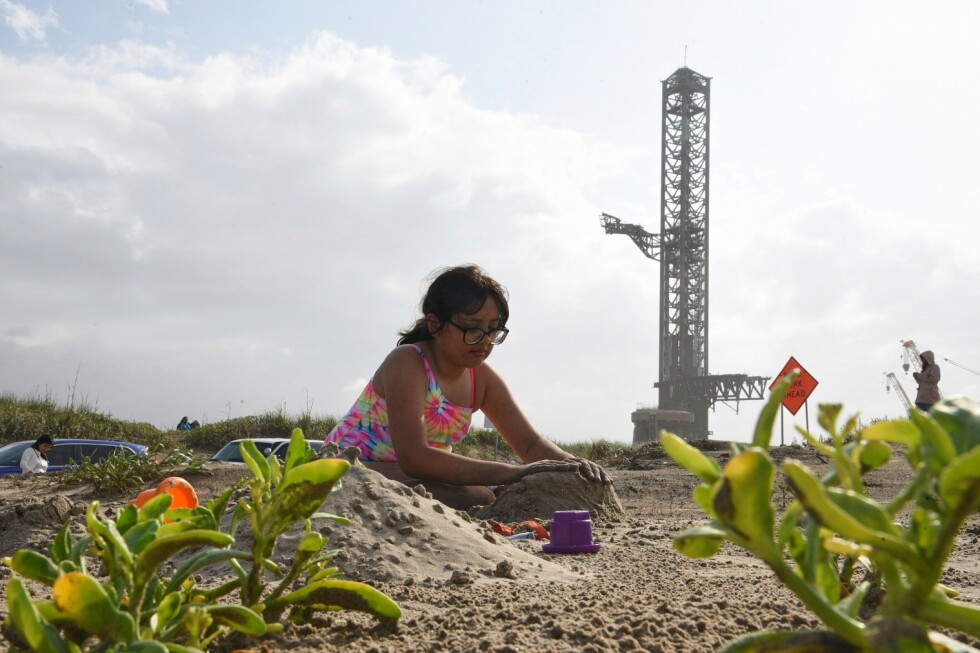
The ongoing lawsuit is part of a broader conflict between local advocates and SpaceX, as the aerospace company escalates its operations in South Texas. Activists argue this growth has detrimental environmental impacts and restricts public beach access due to safety-related closures during rocket tests.
The Federal Aviation Administration recently increased SpaceX’s launch authorization from five to 25 times annually, leading to more frequent closures of the 8-mile Boca Chica Beach adjacent to the launch site.
Representatives from groups like Save RGV, the Sierra Club, and the Carrizo/Comecrudo Tribe of Texas focus on the constitutional amendment providing public beach access. However, the state contends that this does not equate to constant access, with Beth Klusmann, deputy solicitor general, arguing the closures align with Texas’ police power to protect public safety during launches and support the space sector.
The justices questioned the limits of such restrictions. Justice Evan A. Young raised concerns about potential overreach if closures were nearly year-round. Klusmann acknowledged that 365 days would likely exceed permissible limits but noted the current situation is far from that extreme.
Discussions also involved the interpretation of “unrestricted right” in the constitutional amendment. Klusmann cited prior rulings suggesting that unrestricted usage doesn’t negate the applicability of police powers.
Attorney Marisa Perales, representing the opposition groups, argued that using police power for beach closures under HB 2623 is inappropriate, as it facilitates hazardous activities that endanger the public. She admitted some restrictions could exist but opposed those tied to dangerous activities.
Justice Debra H. Lehrmann suggested the government might reasonably restrict access during other risky activities, questioning the adequacy of Perales’ argument. Even if SpaceX limited launches to once annually, Perales maintained her stance based on constitutional language.
Further discussion addressed whether private citizens could challenge this law. Cameron County’s attorney, James P. Allison, argued that the Open Beaches Act doesn’t allow private enforcement, but Justice Jimmy Blacklock indicated that lack of private enforcement could render the provision ineffective. Allison suggested state agencies could still enforce it.
Justice Jane N. Bland inquired about remedies if the state were the violator, given its enforcement role. Allison deferred, citing constitutional language application, while Perales countered that private citizens should be able to sue the government for constitutional breaches.
For more information on the Texas General Land Office’s involvement, visit the Texas Tribune’s corporate sponsor list.