Federal Judge and Minnesota Prosecutor in Contentious Contempt Hearing
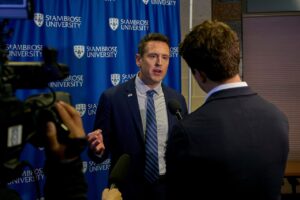
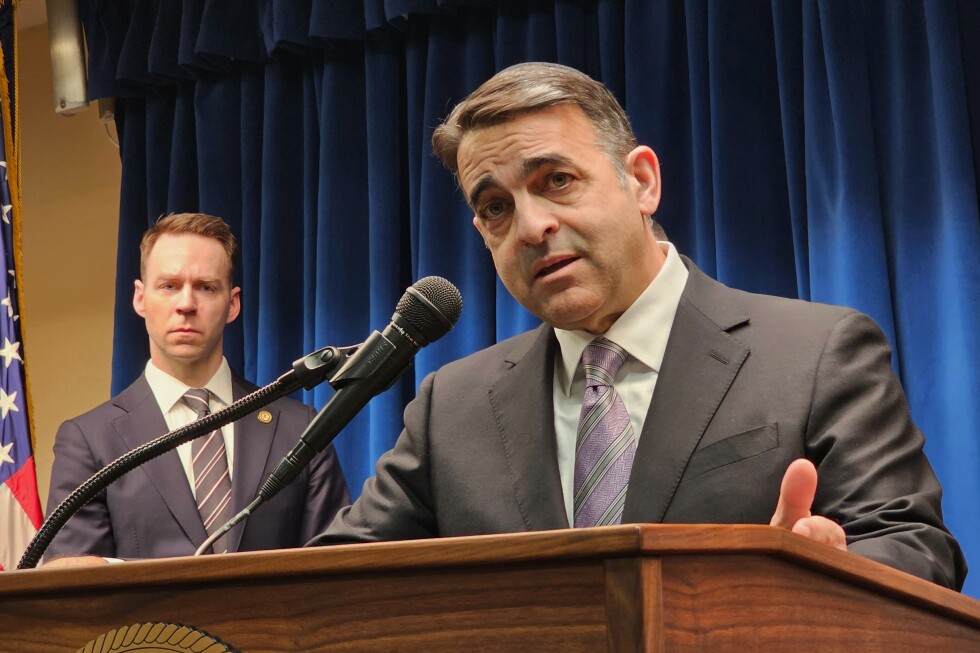
ST. PAUL, Minn. — Intense exchanges unfolded in a federal courtroom on Tuesday as U.S. District Judge Jeffrey Bryan confronted Daniel N. Rosen, the U.S. Attorney for the District of Minnesota, during a contempt hearing. This event underscored rising tensions between the judiciary and the Department of Justice.
Judge Bryan convened the hearing to examine whether Rosen and his colleagues had defied court directives by not returning personal belongings to released immigrants. Items in question ranged from cash and identity documents to a solitary shoelace. Bryan expressed concern over numerous “unlawful violations of court orders” and suggested that holding someone in contempt would mark a “historic low point” for the U.S. attorney’s office.
A heated exchange occurred when Rosen accused the judge of making a disparaging remark about him. Following a brief recess, both parties sought to reset the tone. While Bryan has yet to decide on any contempt charges, Rosen argued in the afternoon session that there was “no defiance, no disobedience” and that any issues were due to “human error.” He assured that compensation would be provided for lost property.
Compounding the situation is a significant staffing shortage in Rosen’s office, aggravated by departures over dissatisfaction with the administration’s immigration policies and the Justice Department’s response to fatal shootings by federal officers in Minneapolis. Several prosecutors have left recently, citing these concerns.
Across the nation, judges have issued critical rulings in response to the government’s aggressive deportation initiatives. A Minnesota district judge recently held an administration lawyer in contempt for not returning identification documents to an immigrant. In New York, a judge criticized ICE’s “abhorrent and illegal practices,” while in West Virginia, a judge rebuked officials for the indefinite detention of noncitizens, asserting that federal courts do possess jurisdiction and detainees can raise due process claims.
Chief Judge Patrick Schiltz of Minnesota has been vocal about the administration’s shortcomings, stating, “ICE is not a law unto itself,” in a critique of Operation Metro Surge’s repeated court order violations. Schiltz, appointed by President George W. Bush and regarded as a conservative, has warned Rosen and ICE officials of potential criminal contempt charges for non-compliance.
Schiltz highlighted the unprecedented nature of the situation, stating, “The Court is not aware of another occasion in the history of the United States in which a federal court has had to threaten contempt — again and again and again — to force the United States government to comply with court orders.”
The administration has countered by blaming judges for the crisis, accusing them of not adhering to legal standards and expediting cases.