Global Oil Markets React to Middle East Conflict
On Monday, oil prices surged significantly as tensions escalated due to attacks involving the U.S. and Israel on Iran, coupled with retaliatory actions targeting Israel and U.S. military bases in the Gulf region. This turmoil has caused notable disturbances throughout the global energy supply chain, prompting concerns about potential disruptions in oil availability from Iran and other Middle Eastern nations.
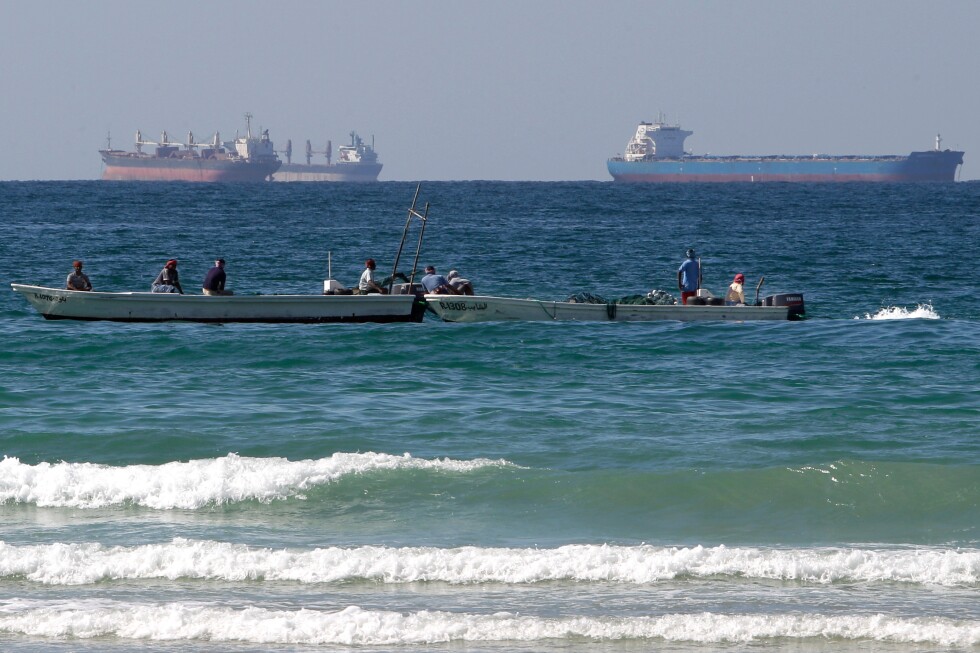
Key trading activities suggest a belief that the Middle Eastern oil supply could be significantly hampered or completely halted. Among the incidents contributing to these concerns were attacks on two vessels navigating the Strait of Hormuz, a crucial passage for global oil exports at the entrance of the Persian Gulf. Energy analysts warn that ongoing conflicts could lead to substantial increases in crude oil and gasoline prices.
In the U.S., West Texas Intermediate crude was valued at approximately $72 per barrel early Monday, reflecting a rise of 7.3% from its prior trading price of $67 last Friday, as reported by CME Group data. Meanwhile, Brent crude, a global oil benchmark, traded at $78.55 per barrel, marking a 7.8% increase from its previous price of $72.87, which had already been the highest in seven months, according to FactSet.
With global energy prices climbing, consumers may face higher costs for gasoline and everyday goods, exacerbating the financial strain amidst already heightened inflationary pressures.
The Strait of Hormuz remains a critical chokepoint in global oil logistics, with around 15 million barrels, or 20% of the world’s oil, passing through daily, as highlighted by Rystad Energy. This strategic waterway, flanked by Iran to the north, facilitates the transport of oil and gas from key producers including Saudi Arabia, Kuwait, Iraq, Qatar, Bahrain, the UAE, and Iran.
Previously, Iran had temporarily closed parts of the Strait in mid-February for a military exercise, resulting in a 6% hike in oil prices shortly thereafter.
Amid these developments, members of the OPEC+ oil cartel, comprising eight nations, declared an increase in oil production on Sunday. The Organization of the Petroleum Exporting Countries, in a meeting scheduled prior to the conflict, announced plans to raise production by 206,000 barrels per day starting in April, exceeding analysts’ expectations. The countries involved in the production boost include Saudi Arabia, Russia, Iraq, the UAE, Kuwait, Kazakhstan, Algeria, and Oman.
Jorge León, Rystad’s senior vice president and geopolitical analysis head, commented in an email, “Roughly one-fifth of global oil supply passes through the Strait of Hormuz, a vital artery for world trade, meaning markets are more concerned with whether barrels can move than with spare capacity on paper. If flows through the Gulf are constrained, additional production will provide limited immediate relief, making access to export routes far more important than headline output targets.”
Iran, which exports about 1.6 million barrels of oil daily, primarily to China, may face challenges in maintaining its export levels if the conflict persists, potentially forcing China to seek alternative suppliers and further driving up energy prices.