BNSF Railway Cleared by Appeals Court in Libby Asbestos Case
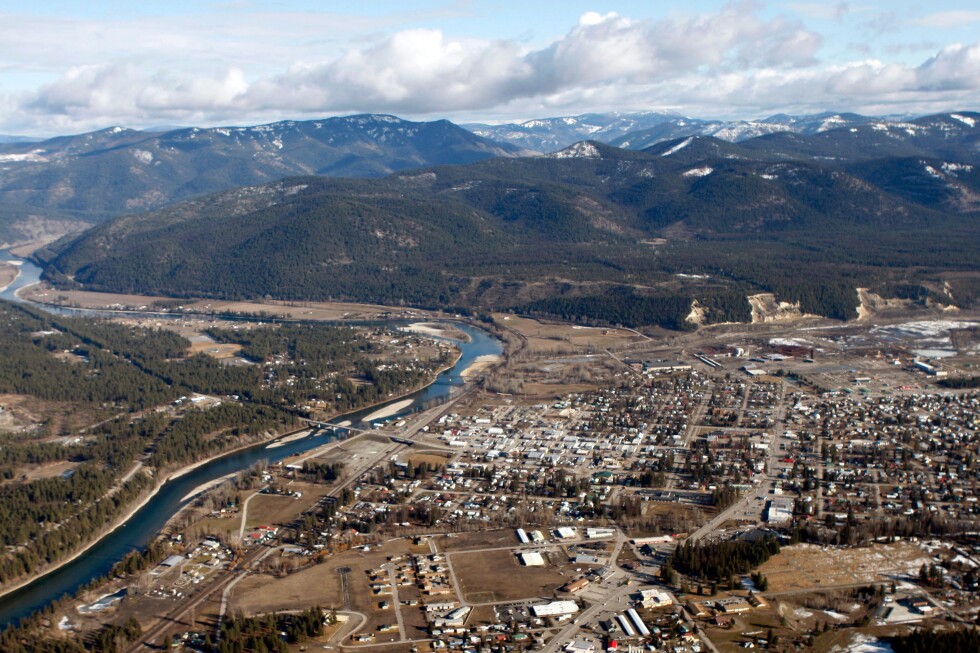
An appellate court has overturned a prior ruling implicating BNSF Railway in the deaths of two individuals from a Montana town plagued by asbestos exposure. The 9th U.S. Circuit Court of Appeals found that BNSF, a railroad company, was not liable for the asbestos contamination in Libby, Montana, which has affected thousands.
In 2024, a jury had awarded $4 million to the families of the deceased, holding BNSF responsible for the accumulation of asbestos-laden vermiculite in the Libby rail yard. However, the appeals court highlighted BNSF’s legal obligations as a “common carrier” to transport materials, noting that BNSF was informed the material was safe at the time of shipment.
Judge Morgan Christen stated, “The dangerous condition here — accumulated asbestos dust — arose solely from BNSF’s operation as a common carrier executing its federally mandated duty to transport vermiculite.” He concluded that BNSF was “protected from strict liability by the common carrier exception.”
This case marked the first trial out of a series of lawsuits against BNSF, initiated by those affected in the small town near the U.S.-Canada border. Residents and former residents seek to hold the Texas-based railroad accountable for the health crisis linked to asbestos exposure, which has reportedly resulted in numerous deaths and illnesses.
U.S. District Judge Brian Morris had previously guided the jury to consider negligence in BNSF’s handling of the Libby rail yard. However, the jury did not find BNSF guilty of intentional or indifferent misconduct, hence no punitive damages were assigned.
Libby’s vermiculite contained high asbestos levels and was widely used for insulation and other commercial products. The material, after being mined, was transported via rail cars, often spilling in the rail yard and dispersing dust throughout the town.
Berkshire Hathaway Inc., owned by Warren Buffett, acquired BNSF in 2010—years after the vermiculite mine had ceased operations in 1990. The mine, operated by W.R. Grace & Co., was central to the tragedy but avoided extensive liabilities through bankruptcy, despite settling significant claims with victims.
BNSF’s legal team asserted that W.R. Grace representatives repeatedly assured the railway of the safety of the transported vermiculite. Although W.R. Grace and its executives faced criminal charges in 2005, they were acquitted by a jury in 2009.
The Environmental Protection Agency (EPA) intervened in Libby following reports of asbestos-related health issues in 1999, subsequently declaring a public health emergency in 2009 under the Superfund cleanup program.