MINNEAPOLIS — A significant initiative by the Trump administration in Minnesota, described as the largest immigration enforcement operation by the Department of Homeland Security, is set to conclude. This operation, covering the Minneapolis-St. Paul area and other communities, has resulted in numerous arrests and protests, with two U.S. citizens fatally shot, as stated by Tom Homan, the border czar.
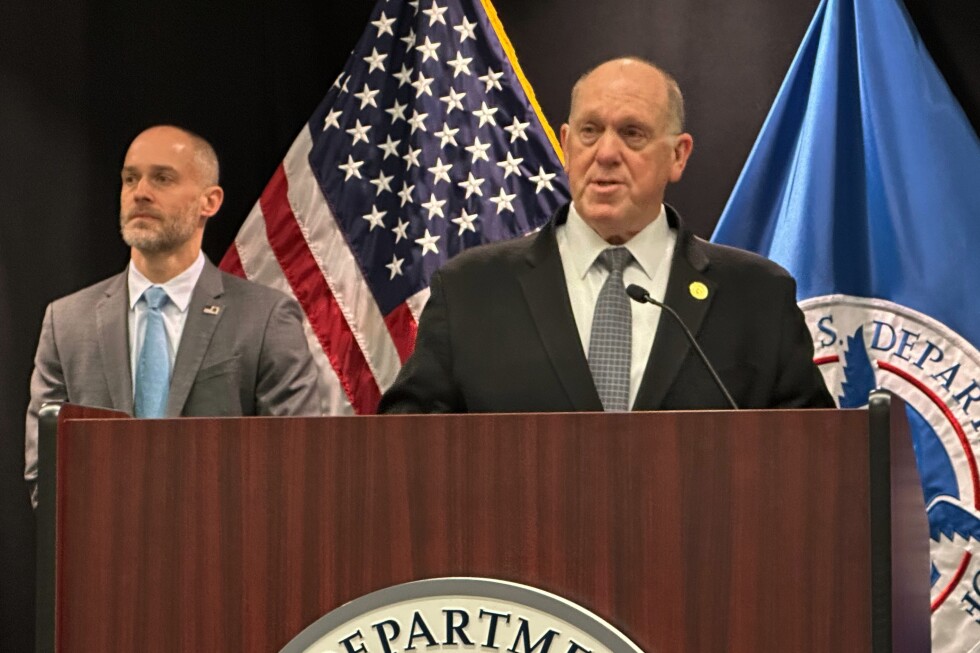
The enforcement action, known as Operation Metro Surge, commenced in December, leading to over 4,000 arrests. Despite its controversial nature, Homan emphasized its success in a recent briefing, asserting, “The surge is leaving Minnesota safer. It’s less of a sanctuary state for criminals.” However, the operation has sparked widespread debate, particularly as many of those targeted were families, children, and U.S. citizens without criminal records.
Mixed Reactions in the Community
The announcement of the operation’s cessation has been met with both skepticism and relief in Minneapolis, a city known for its progressive stance. City Council Member Aurin Chowdhury expressed doubts, stating, “We will believe it when we see it — and any ICE presence is a threat to everyone’s safety.” The operation’s impact was profound, causing fear among immigrant communities and disruptions in daily life, including school attendance and business operations.
Activists and volunteers have actively opposed the crackdown, organizing efforts to monitor federal agents and engaging in protests that sometimes escalated into confrontations involving snowballs and graffiti, with law enforcement occasionally resorting to tear gas and pepper spray.
Broader Political and Economic Implications
Originally presented as a measure to address fraud in public programs, particularly targeting the Somali community, the operation expanded to include other ethnic groups like Latinos and West Africans. This shift and the resulting federal-local tensions have reportedly caused lasting economic damage, with businesses suffering significant financial losses. Russ Adams from the Lake Street Council noted, “We’re not going to recover in March, even if 2,000 ICE agents leave tomorrow.”
Official Responses and Future Outlook
Governor Tim Walz has urged vigilance as the drawdown begins, refusing to commend the federal administration for its actions. He proposed a $10 million aid package to assist affected businesses and called for federal support in the recovery efforts. Walz emphasized the need for accountability, stating, “You don’t get to break things and then just leave without doing something about it.”
Meanwhile, discussions continue in Washington, D.C., where Democratic lawmakers are advocating for restrictions on immigration enforcement before approving DHS funding. The controversy has also affected public perception, with Republican Senator Rand Paul acknowledging the loss of trust in federal agencies following the Minneapolis incidents.
Continuing the Debate
Despite the end of the surge, Homan assured that immigration enforcement would persist, aligning with President Trump’s commitment to mass deportation. Todd Lyons from ICE highlighted that thousands in Minnesota still face deportation orders.
Reflecting on the operation’s impact, community members like Sheila Rzepecki and activists argue that the harm inflicted on families and communities cannot be overlooked or forgotten. The dedication to protecting immigrant rights remains strong, echoed by leaders such as Minneapolis Mayor Jacob Frey, who celebrated the resilience of the community.