Wisconsin Judge’s Trial Begins Amid Immigration Crackdown
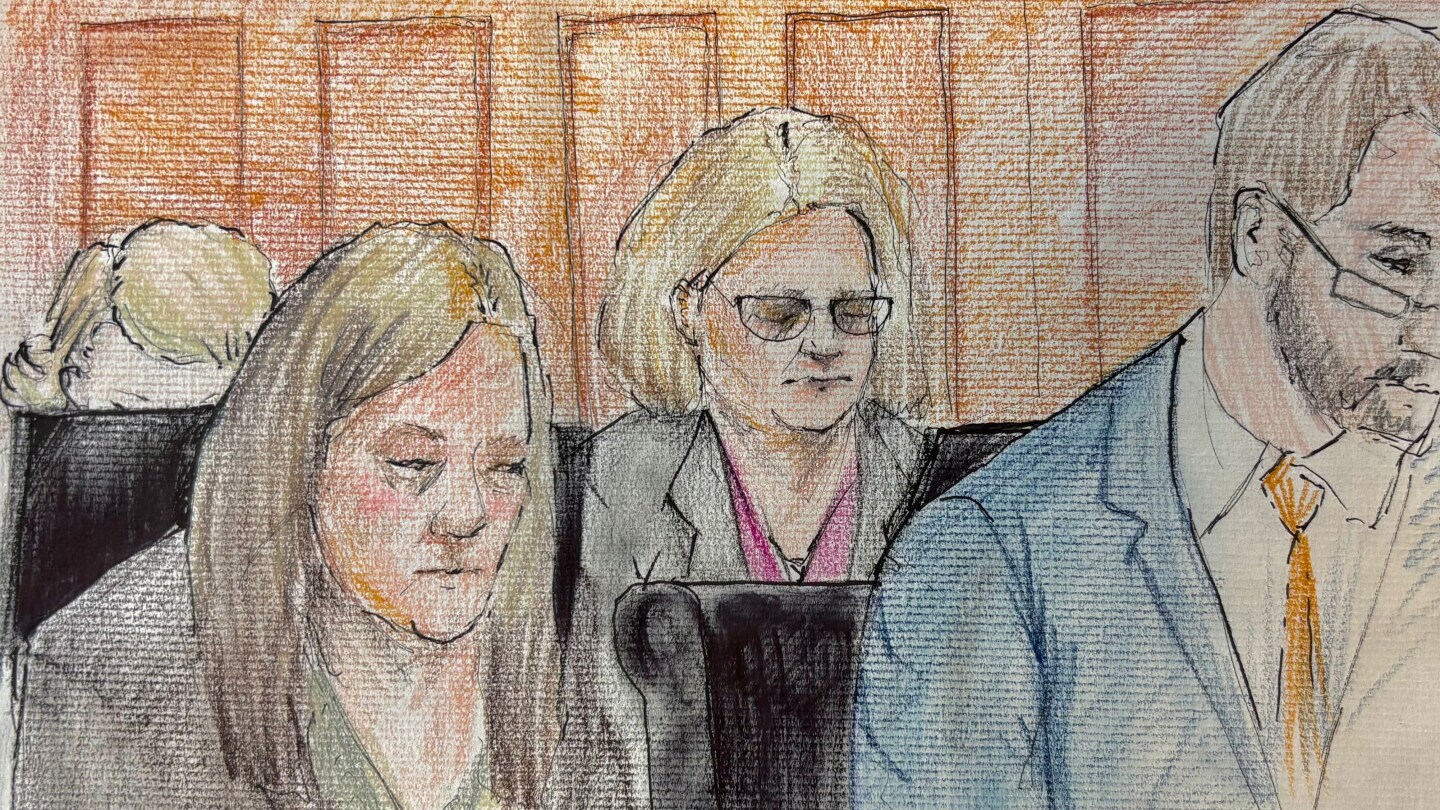
Federal prosecutors have initiated their case against a Wisconsin judge accused of aiding a Mexican immigrant in evading federal detention. The trial of Milwaukee County Circuit Judge Hannah Dugan commenced with opening statements and is set to feature testimony from numerous government witnesses.
The prosecution is expected to call about two dozen witnesses, and their case may extend until Thursday. The timeline for the defense’s presentation and jury deliberations remains uncertain. If convicted on charges of obstruction and concealment, Dugan could face a six-year prison sentence.
This trial is a significant development in the broader context of President Donald Trump’s aggressive stance on immigration. The administration has criticized Dugan as an activist judge, and Republican U.S. Representative Tom Tiffany, who is planning a gubernatorial run, voiced strong opposition on social media, urging her incarceration.
Democrats suggest the case is being used to intimidate judicial opposition to immigration policies. Dugan reported receiving threatening flyers at her residence earlier this year.
The case involves Eduardo Flores-Ruiz, a 31-year-old who was charged with battery in Milwaukee after reentering the U.S. Prosecutors allege that during a court appearance in April, Dugan facilitated his escape from awaiting agents by directing him through a back exit of the courtroom.
Following a pursuit, agents detained Flores-Ruiz outside the courthouse. He was subsequently deported after pleading no contest to the battery charge and serving his sentence.
Dugan faces charges for her actions on April 24 and has been suspended from her judicial duties by the state Supreme Court. She has sought to have the charges dismissed, asserting judicial immunity, but U.S. District Judge Lynn Adelman ruled against her, noting no established immunity protects judges from criminal prosecution.
Dugan maintains she adhered to courthouse protocols regarding immigration arrests and did not intend to disrupt federal agents. Her defense points to a policy draft from Milwaukee County Chief Judge Carl Ashley, distributed shortly before the incident, that limited immigration enforcement in nonpublic courthouse areas.