The Voting Rights Act: Sixty Years On, Facing Challenges

This week marks the 60th anniversary of the Voting Rights Act, a pivotal piece of legislation in the history of the civil rights movement. However, as it reaches this milestone, the Act finds itself under significant strain.
The Historical Impact
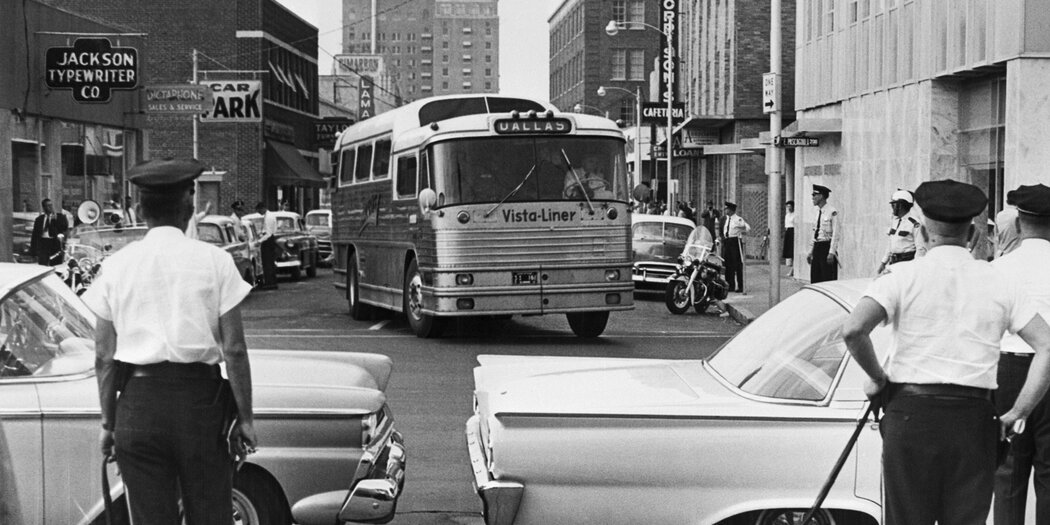
Enacted in 1965, the Voting Rights Act was designed to eliminate discriminatory voting practices that had been prevalent in many Southern states. It is widely regarded as a crucial step in the fight for equal voting rights, ensuring that no citizen would be denied the right to vote based on race or color.
Current Challenges
Despite its historical significance, the Voting Rights Act faces numerous challenges today. Recent years have seen a series of legislative changes and court rulings that have weakened its enforcement mechanisms. These developments have raised concerns among civil rights advocates who fear that the protections once guaranteed by the Act are being eroded.
Key Legal Changes
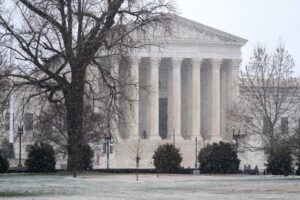
One of the most significant blows to the Act came in 2013 when the Supreme Court invalidated a crucial provision that required certain states to obtain federal approval before making changes to their voting laws. This decision has led to a wave of new voting regulations, some of which critics argue could suppress voter turnout, particularly among minority groups.
Looking Ahead
As the Voting Rights Act reaches its 60th anniversary, its future remains uncertain. Efforts to restore and strengthen the Act continue, with lawmakers and activists seeking new legislative measures to address current challenges. The ongoing debate highlights the enduring importance of voting rights in American democracy.
“`