U.S. Coast Guard Pursues Sanctioned Oil Tanker in Caribbean Amid Intensified Enforcement
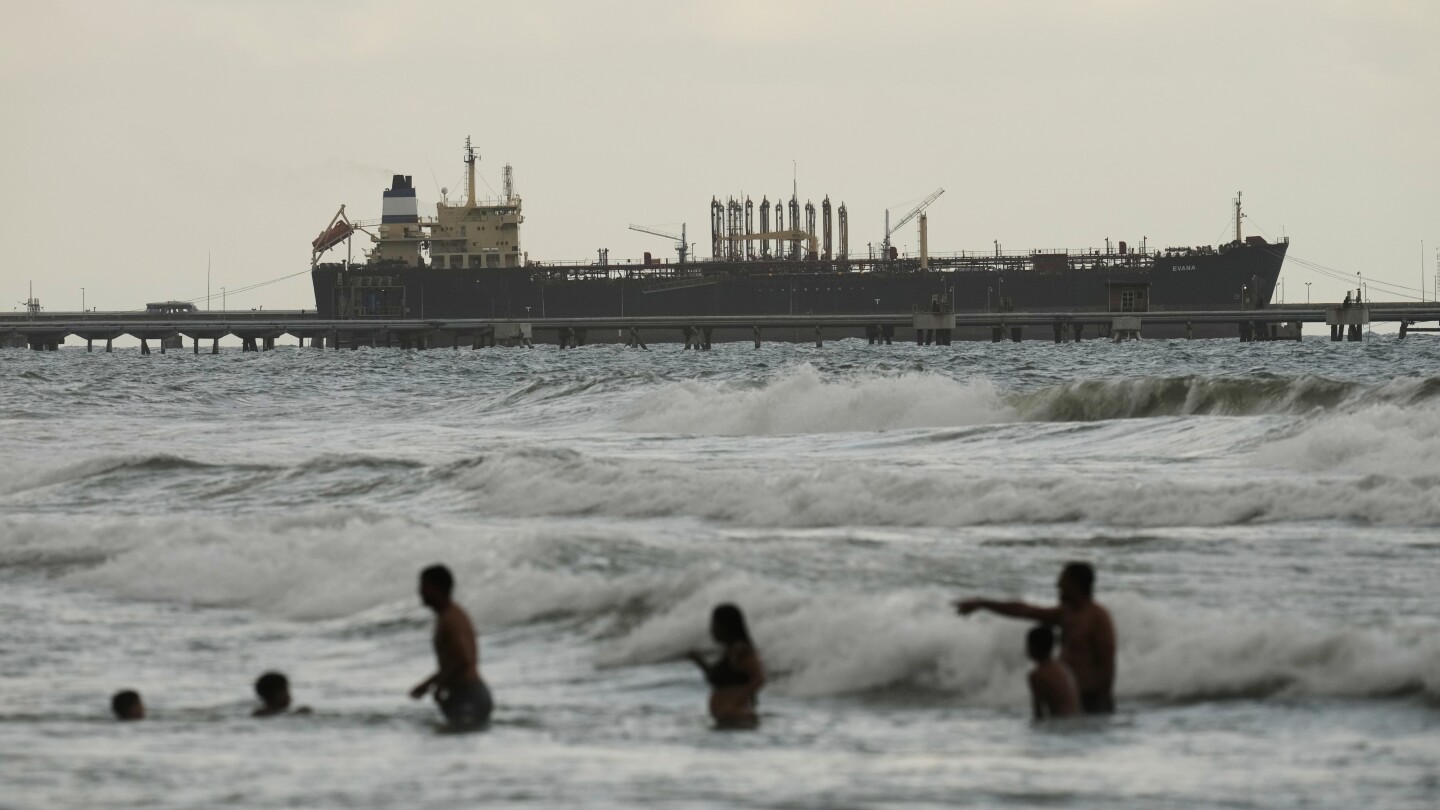
WEST PALM BEACH, Fla. — The United States Coast Guard is actively chasing another oil tanker in the Caribbean Sea. This move is part of a broader effort by the Trump administration to clamp down on vessels linked to the Venezuelan government. According to a U.S. official involved in the operation, this pursuit follows the recent seizure of a second tanker within a span of two weeks.
The involved official, who opted to remain anonymous due to the sensitive nature of the operation, stated that the vessel in question is a “sanctioned dark fleet vessel” associated with Venezuela’s methods of evading international sanctions. The tanker is reportedly operating under a false flag and is subject to a judicial seizure order.
Despite inquiries, the Pentagon and Department of Homeland Security, which oversees the U.S. Coast Guard, redirected questions about the operation to the White House. However, no comments have been provided by the White House on this ongoing operation.
Recently, the U.S. seized a Panama-flagged tanker named Centuries. The White House described it as a “falsely flagged vessel” that was part of Venezuela’s covert network trafficking stolen oil. Similarly, on December 10, the Coast Guard, aided by the Navy, seized the Skipper, another tanker affiliated with this shadow fleet that operates in legal gray areas to transport sanctioned goods.
In response to these developments, President Donald Trump has reiterated his commitment to a “blockade” against Venezuela. This stance comes amid heightened rhetoric towards Venezuelan President Nicolás Maduro. Trump’s recent demands include the return of assets seized from U.S. oil companies by Venezuela, further justifying his blockade strategy against oil tankers dealing with Venezuela.
Trump highlighted the losses suffered by U.S. investments in Venezuela as a key factor motivating his administration’s aggressive tactics. Additionally, accusations of drug trafficking play a role in these measures, with some tankers already rerouting to avoid sanctions.
Historically, U.S. firms were dominant in Venezuela’s oil industry until nationalization efforts by Venezuelan leaders in the 1970s and more recently under Chávez and Maduro. Disputes over compensation led to an international arbitration panel in 2014 ordering Venezuela to compensate ExxonMobil with $1.6 billion.
Venezuelan President Nicolás Maduro, through a Telegram message, claimed his country has been resisting a campaign of aggression, including attacks on oil tankers, and expressed a determination to “accelerate the pace of our deep revolution.”
Meanwhile, U.S. political figures have weighed in on the situation. Sen. Rand Paul, R-Ky., criticized the tanker seizures as “a provocation and a prelude to war,” emphasizing that it is not America’s role to police the world.
Moreover, these tanker operations coincide with Trump’s directive to the Defense Department to target vessels in the Caribbean and eastern Pacific alleged to be smuggling drugs, including fentanyl, into the U.S. These actions have led to the death of at least 104 people in 28 strikes since early September, sparking criticism from lawmakers and human rights advocates over the lack of evidence and claims of extrajudicial killings.
In the political arena, Trump’s assertions that Maduro’s rule is nearing its end were echoed by White House chief of staff Susie Wiles, who stated in an interview, “Trump wants to keep on blowing boats up until Maduro cries uncle.” However, Sen. Tim Kaine, D-Va., expressed concern over military actions against Venezuela without congressional approval, advocating for sanctions and other non-military measures to address human rights issues in Venezuela.