US Army Corps Approves Line 5 Tunnel Construction Amid Ongoing Controversies
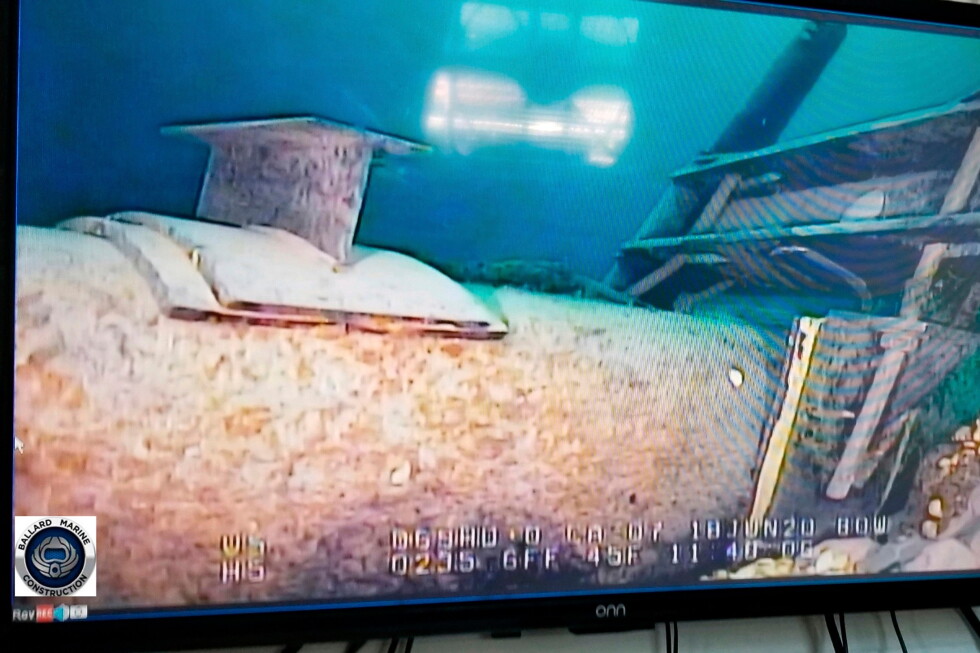
The US Army Corps of Engineers has granted a permit for the construction of the Line 5 tunnel project beneath the Straits of Mackinac. The decision allows for a section of the Line 5 petroleum pipeline to be rerouted into a concrete tunnel beneath the lakebed, a move the Corps stated is “not contrary to the public interest.” However, the Corps acknowledged potential adverse impacts on endangered species and archaeological sites, as well as long-term detrimental impacts on land use and habitat loss.
This federal approval marks a significant milestone for the project, which has been in the works for nearly a decade. However, actual construction might still face delays due to legal challenges. The Michigan Supreme Court recently ordered a review of a separate state permit, and further lawsuits have been promised by opponents.
Enbridge Energy, the company behind Line 5, welcomed the decision, highlighting in a statement that the federal permit “represents the highest standard of environmental review required for major critical energy and other infrastructure projects.” They emphasized their commitment to operating Line 5 safely and responsibly.
Opposition from Native American tribes has been strong, with the Native American Rights Fund criticizing the approval. David Gover, Managing Attorney, stated, “Our federal government has a solemn obligation to uphold and protect Treaty rights and is supposed to protect American waters and sacred spaces.”
The project is expected to impact threatened species such as Houghton’s goldenrod and dwarf lake iris, though mitigation efforts are anticipated to prevent reductions in their recovery or distribution. The Anishinaabe tribal nations regard the site as culturally significant, and the Corps recognized the “major, permanent, adverse effects on historic properties” that cannot be mitigated.
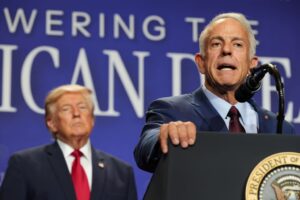
The Corps’ decision aligns with the Trump administration’s policies to support fossil fuel energy. Adam Telle, Assistant Secretary of the Army for Civil Works, remarked that the decision reflects efforts to provide regulatory certainty and streamline processes.
Critics, such as David Holtz from the group Oil & Water Don’t Mix, argue that the decision was influenced by the Trump administration’s energy policies and criticized the lack of consideration for alternatives, such as decommissioning Line 5.
Despite issuing key permits, Michigan’s departments have noted potential disruptions to Native American burial sites and harm to wetlands. Enbridge is also seeking approval to discharge treated wastewater into Lake Michigan during construction, with a decision expected by the end of September.
The state of Michigan continues its legal battle with Enbridge over a 2020 order by Governor Whitmer to shut down the existing pipeline, citing environmental risks. A federal court ruled against the state’s authority to enforce a shutdown, a decision that Michigan has appealed.
In a separate legal effort, Michigan Attorney General Dana Nessel has been seeking to close Line 5 since 2019. This case has been moving between state and federal courts, currently pending in Ingham County’s 30th Circuit Court while awaiting a resolution on the governor’s shutdown order.