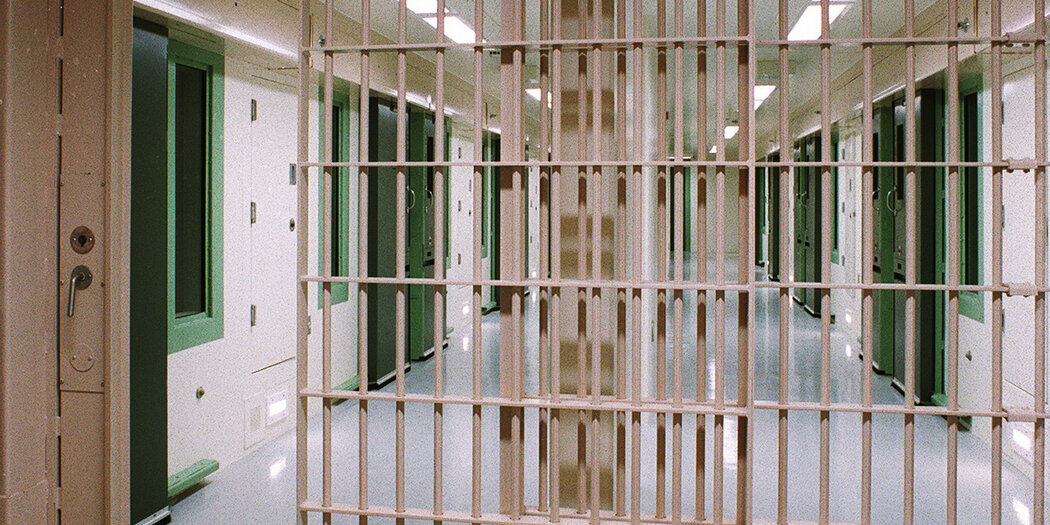
Understanding the Federal Prison Oversight Act
The Federal Prison Oversight Act aims to enhance transparency and accountability within the federal prison system. It was passed by Congress in response to growing concerns over the conditions and management of federal prisons, advocating for more rigorous oversight and improved living conditions for inmates.
Reasons Behind the Legislation
Congress enacted the Federal Prison Oversight Act to address persistent issues such as overcrowding, inadequate healthcare, and safety concerns within federal prisons. By establishing more robust oversight mechanisms, the legislation seeks to ensure that prisons adhere to federal standards and improve the overall welfare of inmates.
Challenges in Federal Prison Oversight
Effective oversight of federal prisons faces several hurdles, including limited resources, bureaucratic complexities, and resistance from within the prison system. These challenges can impede the ability to conduct thorough inspections and implement necessary reforms.
Role of the Inspector General
Under the Federal Prison Oversight Act, the inspector general is empowered to conduct unannounced inspections and audits of federal prisons. This authority allows for greater scrutiny and ensures that any issues within the prison system are promptly identified and addressed.
Purpose of the Ombudsman Office
The newly established ombudsman office is designed to handle complaints and concerns from inmates, their families, and prison staff. By providing a direct channel for grievances, the office aims to promote transparency and facilitate quicker resolutions to problems within the prison system.
Future Developments
With the Federal Prison Oversight Act now in place, the next steps involve implementing its provisions and assessing its impact on the federal prison system. Continuous monitoring will be essential to ensure the legislation effectively brings about the intended improvements and reforms.