In the United States, pregnancy centers that discourage abortion have been increasingly incorporating medical services into their offerings, with plans for further growth.
This expansion, which includes services like testing and treatment for sexually transmitted infections (STIs) and primary medical care, has accelerated particularly after the Supreme Court’s decision to overturn Roe v. Wade. This ruling, made three years ago, allowed states to implement abortion bans.
The potential for expansion could grow even more as Planned Parenthood considers closing certain clinics due to changes in Medicaid. Known for being the largest provider of abortions in the nation, Planned Parenthood also offers a range of reproductive health services, including cancer screenings and STI treatments.
Heather Lawless, the founder and director of Reliance Center in Lewiston, Idaho, expressed a clear objective: “We ultimately want to replace Planned Parenthood with the services we offer.” Lawless noted that approximately 40% of their patients visit for reasons unrelated to pregnancy, with some using the center’s nurse practitioner as their primary caregiver.
Abortion-rights groups have voiced concerns over these centers, criticizing their anti-abortion messaging and perceived lack of accountability. These groups point out that many centers do not offer birth control and provide limited ultrasounds, which are not diagnostic. There are also concerns about the centers offering unproven abortion-pill reversal treatments.
Due to the fact that most centers don’t accept insurance, federal laws regarding the release of medical information often do not apply, although some centers claim to comply voluntarily. Additionally, they are not bound by the standards that Medicaid or private insurers require, though those offering specific services must have medical directors adhering to state licensing requirements.
Jennifer McKenna, a senior adviser for Reproductive Health and Freedom Watch, commented on the centers’ capabilities: “There are really bedrock questions about whether this industry has the clinical infrastructure to provide the medical services it’s currently advertising.”
Opportunities Post-Roe
Prenatal centers, often called “crisis pregnancy centers,” began broadening their services, such as diaper banks, prior to the Supreme Court’s 2022 Dobbs v. Jackson Women’s Health Organization decision. The ruling has since prompted an expansion of medical and educational programs, according to Moira Gaul of the Charlotte Lozier Institute. Gaul stated, “They are prepared to serve their communities for the long-term.”
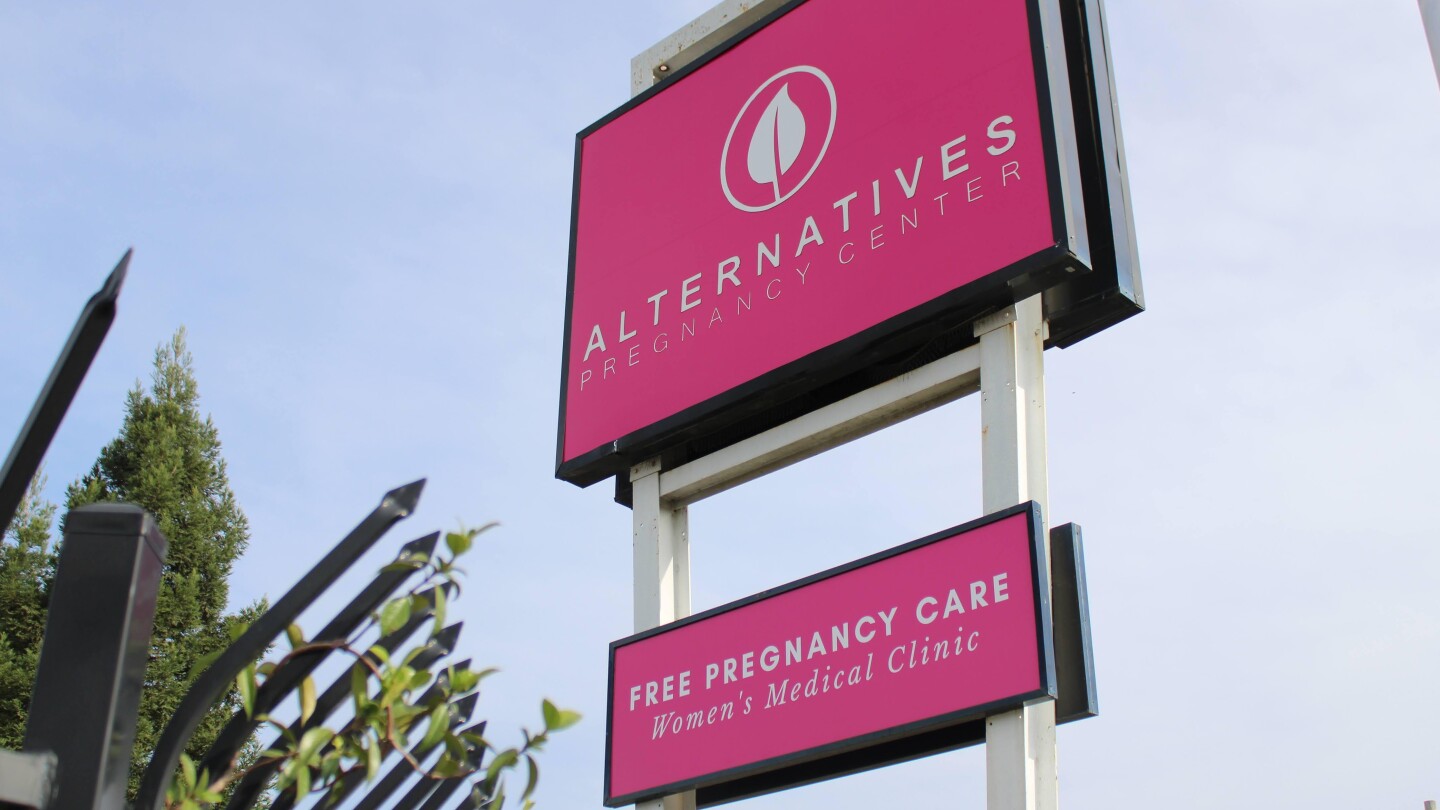
In Sacramento, California, Alternatives Pregnancy Center has bolstered its team with family practice doctors, a radiologist, and a specialist in high-risk pregnancies, along with nurses and medical assistants. This center, affiliated with Heartbeat International, serves as the sole health provider for some patients.
Jessica Rose, a patient at Alternatives, shared her experience of detransitioning after living as a man for seven years. She has received care at Alternatives for two years, where they have an OB-GYN specializing in hormone therapy. Rose remarked, “APC provided me a space that aligned with my beliefs as well as seeing me as a woman.”
Health Clinics on the Decline, Pregnancy Centers on the Rise
By 2024, the number of anti-abortion pregnancy centers in the U.S. had reached over 2,600, an increase from the previous year, as noted by the Crisis Pregnancy Center Map project. In contrast, the Guttmacher Institute reported a decline in clinics offering abortions, with the number down more than 40 from 2023.
Pregnancy centers have been receiving increased taxpayer support, particularly in Republican-led states. Texas allocated $70 million to these centers this fiscal year, while Florida dedicated over $29 million to its “Pregnancy Support Services Program.”
Planned Parenthood, facing a loss of Medicaid funds due to legislative changes, may close up to 200 clinics. Some clinics have already ceased operations or reorganized, with abortion services reduced in Wisconsin and Medicaid services ended in Arizona. The situation is further complicated by pending Medicaid changes that could result in more uninsured Americans.
Kaitlyn Joshua, a founder of the abortion-rights group Abortion in America, expressed concerns about the implications of these closures, particularly in areas like Louisiana where Planned Parenthood clinics have shut down. She emphasized the need for accurate information and regulation of pregnancy centers.
Thomas Glessner, president of the National Institute of Family and Life Advocates, defended the centers, asserting that they do have government oversight through medical directors. He attributed criticism to political agendas.
Warnings have been issued by several Democratic state attorneys general about the centers, highlighting that they do not provide or refer patients for abortions. The Supreme Court has also agreed to review a case concerning a state investigation of a New Jersey-based organization that runs such centers.
Differing Services from Planned Parenthood
Choices Medical Services in Joplin, Missouri, has shifted its focus from solely discouraging abortion to a broader sexual health mission over the past two decades, according to executive director Karolyn Schrage. The center collaborates with law enforcement in certain situations and estimates that over two-thirds of its work is unrelated to pregnancy.
Hayley Kelly, who first encountered Choices volunteers at her workplace, sought STI testing at the center. Later, when she wanted to confirm a pregnancy, she found the staff supportive, despite her initial consideration of abortion. “It’s an amazing place,” Kelly said. “I tell everybody I know, ‘You can go there.’”
While the center, like many others, does not provide contraceptives, Schrage emphasized their focus on sexual risk elimination.