Impact of Tariffs on Midsize U.S. Businesses Revealed in New Study
Recent research from the JPMorganChase Institute highlights a significant increase in tariffs paid by midsize U.S. businesses over the past year, underscoring the economic disruptions resulting from President Donald Trump’s import tax policies. The study shows that these additional taxes have tripled, affecting companies employing a total of 48 million people across the nation.
These businesses, which Trump had pledged to support, are now grappling with the heightened costs. As a result, they have had to pass on these expenses to consumers through increased prices, reduce their workforce, or accept diminished profits. “That’s a big change in their cost of doing business,” commented Chi Mac, the business research director at the JPMorganChase Institute. Mac also noted a possible shift in these businesses’ trade activities away from China to other regions in Asia.
The findings challenge claims by the administration that foreigners are absorbing the tariff costs, pointing instead to U.S. companies bearing the burden. The report focused on middle-market companies with revenues between $10 million and $1 billion and fewer than 500 employees. These businesses, unlike larger multinational corporations, may have less power to offset the tariffs but can more swiftly adjust their supply chains to mitigate the tax hikes.
The study’s authors observed that payments to China by these companies have decreased by 20% from October 2024 levels. However, it remains uncertain whether China is rerouting goods through other nations or if supply chains are genuinely shifting. The analysis also indicates that the Trump administration’s strategy to reduce reliance on Chinese manufacturing is taking effect.
Despite these findings, the White House has yet to respond to the research illustrating that U.S. companies are incurring the tariffs, contrary to the president’s earlier assertions. Last year’s tariffs were introduced to address the trade imbalance, with the president asserting that the U.S. would achieve a trade surplus. However, data from the Census Bureau revealed a $25.5 billion increase in the trade deficit, reaching $1.24 trillion.
The administration insists that the tariffs benefit the economy, businesses, and workers. Yet, criticism arose from Kevin Hassett, director of the White House National Economic Council, who dismissed a New York Federal Reserve study indicating that 90% of the tariff burden fell on U.S. companies and consumers. Hassett described the paper as “an embarrassment” and suggested disciplinary action against its authors.
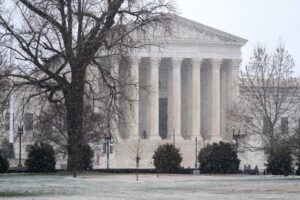
The New York Fed reported that Trump had raised the average tariff rate from 2.6% to 13%, citing national security reasons for tariffs on goods like steel and bathroom vanities. Following a financial market panic, the president negotiated new trade agreements with several countries, although the Supreme Court is set to rule on the legality of his economic emergency declaration.
Trump’s election in 2024 was based on promises to curb inflation, but his tariff policies have fueled voter concerns about affordability. While inflation has remained stable, job growth has slowed significantly. A group of economists estimated that consumer prices are approximately 0.8 percentage points higher due to the tariffs.