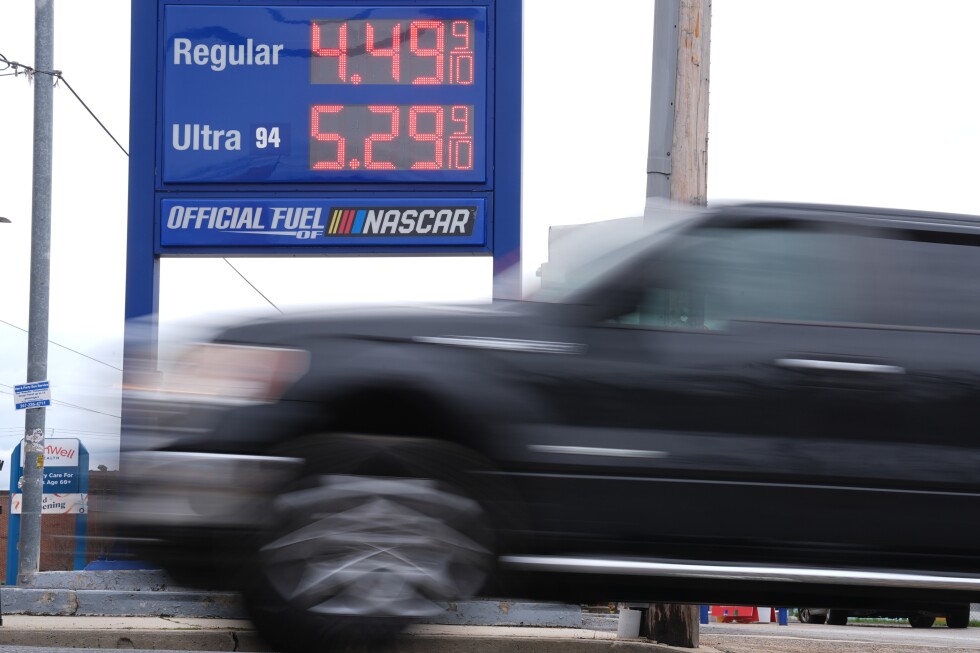
NEW YORK (AP) — On Tuesday, the average price for a gallon of gasoline in the United States surpassed $4, a milestone not reached since 2022. This increase is largely attributed to the conflict between Iran and other global powers, which has led to a rise in fuel prices worldwide.
Data from AAA indicates that the current national average for a gallon of regular gasoline is $4.02, marking an increase of over a dollar since the onset of the conflict. The last instance of such high prices was nearly four years ago, following the Russian invasion of Ukraine.
The reported average is a nationwide figure, meaning that some states have already been experiencing prices above $4 per gallon. State-specific variations in gasoline prices can be attributed to factors such as local supply chains and varying tax rates.
Since the joint military action by the U.S. and Israel against Iran began on February 28, disruptions in the supply chain and reductions from major Middle Eastern oil producers have caused fluctuations in crude oil prices, a key component of gasoline.
Impact on Economy and Consumer Spending
Rising fuel costs are affecting both consumers and businesses, with many households already feeling the strain from a higher cost of living. As a result, consumers may need to reduce spending in other areas to accommodate the increased expense of gasoline.
The ripple effect of higher fuel costs extends to other sectors, potentially increasing the price of utilities and everyday consumer goods. Groceries, which require frequent restocking, are expected to see price hikes as transportation costs rise. The United Postal Service has also requested a temporary 8% surcharge on some popular services like Priority Mail.
Diesel, essential for freight and delivery trucks, has seen its average price rise to $5.45 per gallon, up from $3.76 before the conflict, according to AAA.
Should the conflict persist, there is a likelihood of further price increases. Most tanker operations through the critical Strait of Hormuz, a passageway for about 20% of the world’s oil, have come to a halt. This situation has led to production cuts among major regional producers, who are unable to transport their crude oil to markets. Moreover, oil and gas facilities have been targeted in the ongoing conflict involving Iran, Israel, and the U.S., exacerbating supply concerns.
Strategic Measures and Energy Reserves
The International Energy Agency has announced plans to release 400 million barrels of oil from the emergency reserves of member nations, including the U.S., in an attempt to alleviate the market. Despite initial skepticism, the Trump administration has also relaxed sanctions to allow limited oil exports from Venezuela and temporarily from Russia. Additionally, the U.S. government has suspended certain maritime shipping requirements under the Jones Act for 60 days.
It remains uncertain whether these measures will effectively lower gas prices for consumers. The pricing of gasoline involves multiple factors, including the advance purchase of crude oil by refineries, which means that any new supply could take time to reach consumers.
While the high cost of crude oil is a primary factor behind the current price surge, seasonal demand and the transition to a more expensive summer fuel blend also contribute to the increase. During this time of year, more drivers are purchasing gasoline, further elevating demand.
Global Oil Market Dynamics
Although the U.S. is a net exporter of oil, global price movements still affect domestic prices. The U.S. primarily produces light, sweet crude oil, but refineries on the East and West coasts are designed to process heavier, sour crude, necessitating imports.
Historically, geopolitical tensions have disrupted oil supplies, leading to increased gas prices. In June 2022, the national average for regular gasoline reached over $5 per gallon, following the Ukraine conflict and subsequent sanctions on Russia.
Prices eventually decreased from that peak, and AAA data shows that the national average remained below $4 per gallon since mid-August 2022, until the recent surge.