U.S. Implements New Tariff Increases Amid Economic Concerns
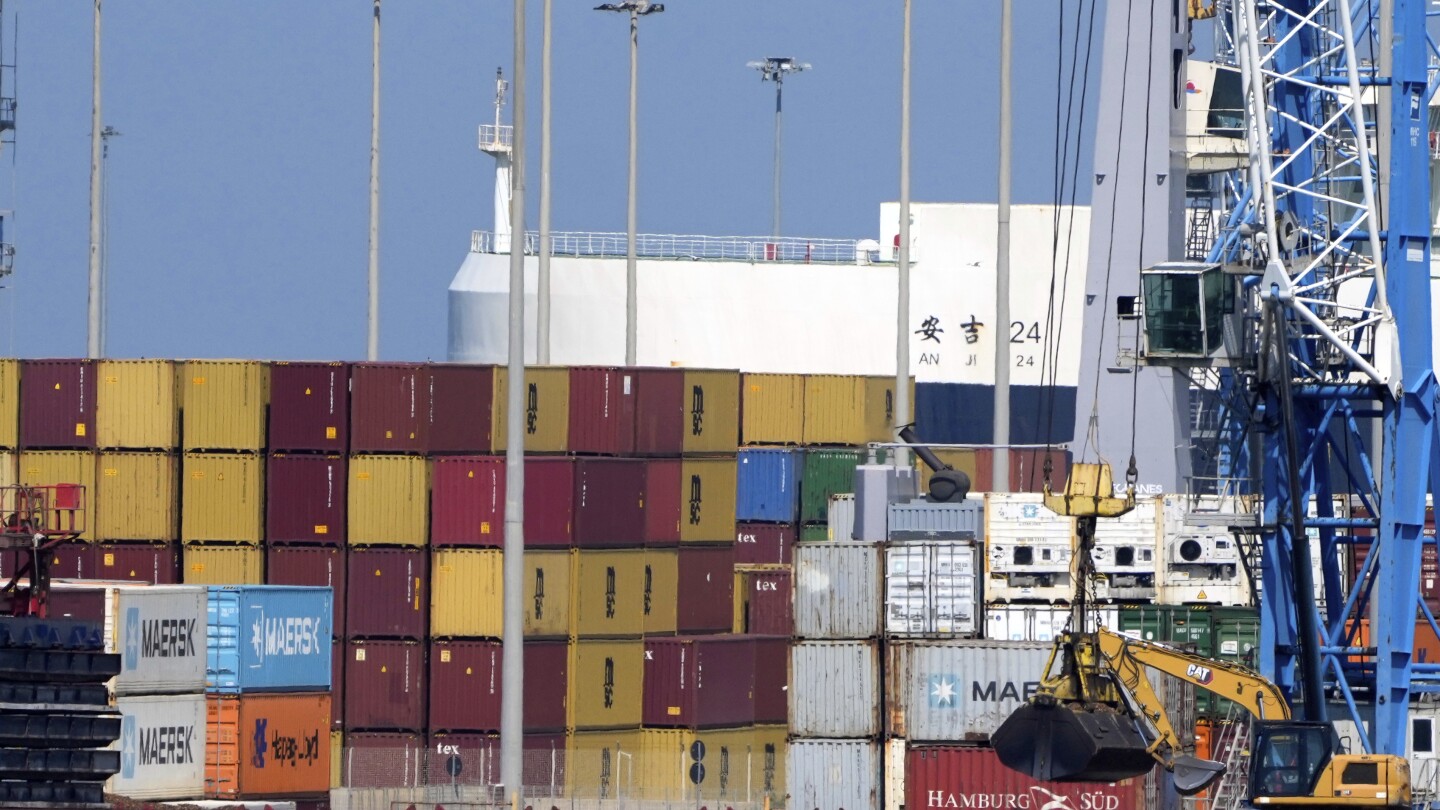
On Thursday, President Donald Trump initiated higher import taxes on numerous countries, as the prolonged threats of tariffs are beginning to impact the U.S. economy visibly. While the U.S. stock market experienced a slight downturn, with the S&P 500 decreasing by 0.1% and the Dow Jones Industrial Average falling by 0.5%, the Nasdaq composite witnessed a rise of 0.3%.
The increased import taxes bring the average cost of imported goods up by 18.3%, marking the highest rate since 1934. This information comes from the Budget Lab at Yale, a nonpartisan policy research center. Despite these challenges, the Trump administration remains optimistic, believing that these measures will encourage businesses to increase investments and boost hiring, thereby revitalizing the U.S. as a manufacturing powerhouse.
Impacted Countries and Tariff Rates
More than 60 countries, alongside the European Union, are now subject to tariff rates of 10% or higher. Specifically, products from the EU, Japan, and South Korea are taxed at 15%, while goods imported from Taiwan, Vietnam, and Bangladesh face a 20% tariff. In a recent development, Trump signed an executive order to impose an additional 25% tariff on India due to its purchases of Russian oil, bringing the total tariffs on India to 50%. This change will be effective later this month.
Transgender Service Members Face Policy Changes
The U.S. Air Force has announced that transgender service members who have served for 15 to 18 years will not have the option for early retirement and will be separated without retirement benefits, as per the Trump administration’s policies. This decision affects all transgender members of the Air Force, offering them either a lump-sum separation payment or removal from the service. An affected Air Force sergeant expressed feeling “betrayed and devastated” by this policy.
Trump’s Call for Intel CEO’s Resignation
Intel’s shares have seen a decline following President Trump’s demand for the resignation of the company’s new CEO, Lip-Bu Tan, labeling him as “highly CONFLICTED.” This comes after Senator Tom Cotton raised concerns about Tan’s alleged support for the Chinese government and military. Notably, Intel has benefited from over $8 billion in federal funding through the Biden administration’s CHIPS Act to construct computer chip plants across the U.S.