Trump Administration Scrambles to Recover Tariff Revenue
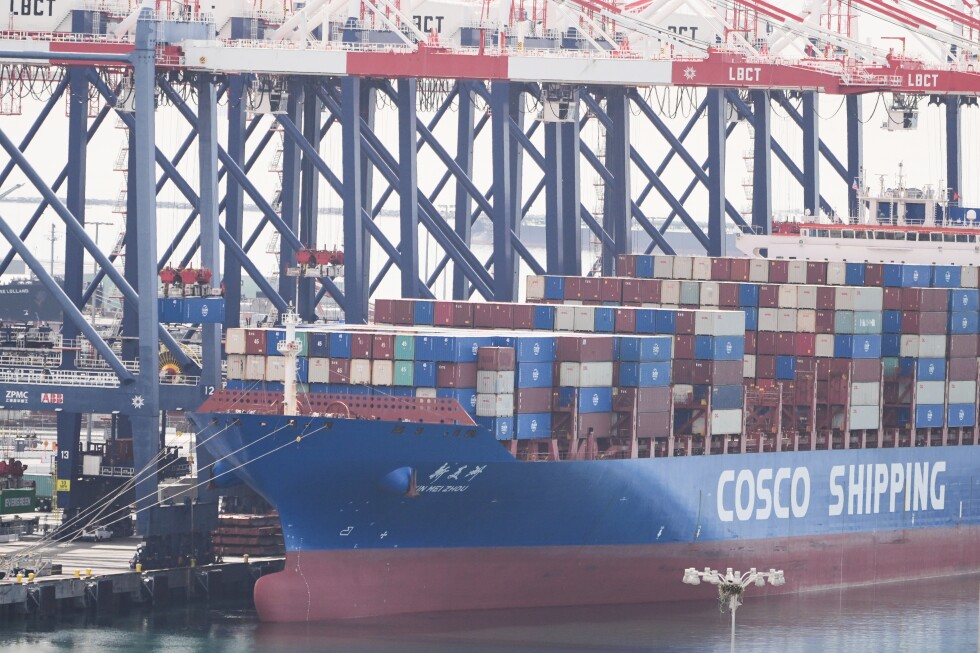
President Donald Trump is in a race to compensate for the federal revenue lost after the Supreme Court nullified his extensive tariff scheme last month. A new analysis by congressional Democrats, released on Friday, warns that if the administration’s efforts succeed, U.S. households could see an average tariff cost increase to $2,512 by 2026, a 44% jump from last year’s $1,745.
The Democrats’ report comes at a time when American consumers are already grappling with rising living costs, further exacerbated by the ongoing conflict with Iran impacting energy prices. “Despite a Supreme Court ruling that much of Trump’s tariff agenda is illegal, the Trump administration refuses to provide relief for families,” stated Sen. Maggie Hassan, the leading Democrat on the Joint Economic Committee.
White House spokesman Kush Desai dismissed the study as “phony,” asserting that “President Trump will continue using tariffs to renegotiate broken trade deals, lower drug prices, and secure trillions in investments for the American people.”
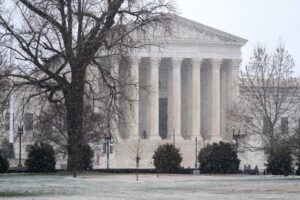
Last year, Trump leveraged the 1977 International Emergency Economic Powers Act (IEEPA) to impose significant tariffs globally. However, on February 20, the Supreme Court determined that the president lacked the authority under this law to impose such tariffs, necessitating refunds around $175 billion to affected importers.
In response, the administration has been quick to implement new tariffs. Treasury Secretary Scott Bessent indicated that these new levies “will result in virtually unchanged tariff revenue in 2026.”
Trump has already imposed a 10% tariff under Section 122 of the Trade Act of 1974, with the potential to increase it to 15%. These tariffs, however, have a 150-day limit unless Congress agrees to an extension. Additionally, the Section 122 tariffs are facing legal challenges.
Section 301 of the same 1974 trade act provides a more robust option, allowing the president to impose tariffs on countries with unfair trade practices. Trump previously utilized Section 301 to target Chinese imports with tariffs, which withstood legal scrutiny. Recently, U.S. Trade Representative Jamieson Greer announced a comprehensive Section 301 investigation into whether 16 trading partners, including China and the EU, are overproducing goods and harming American manufacturers.
“The United States will no longer sacrifice its industrial base to other countries that may be exporting their problems with excess capacity and production to us,” Greer declared. This inquiry is expected to culminate in further significant tariffs.
Additional Section 301 investigations are underway, examining issues related to forced labor, digital services taxes, pharmaceutical pricing, and ocean pollution. The administration is also likely to increase the use of Section 232 of the Trade Expansion Act of 1962, which permits tariffs on goods considered threats to national security.
The Democratic report highlights the increased financial burden on American households due to new tariffs, suggesting that these costs will be borne throughout the year. The report references a Congressional Budget Office (CBO) report which notes that consumers end up shouldering the full cost of tariffs as importers pass on about 70% of these expenses.
This tariff push comes as the Iranian conflict inflates gasoline and commodity prices, adding to voter dissatisfaction ahead of the midterm elections. “If the affordability and other political issues really start to become cumbersome, that certainly can impact all this,” trade lawyer Ryan Majerus commented, suggesting that the situation could evolve rapidly in the coming months.