Trump’s Labor Legacy: Controversies and the Future of Overtime Pay
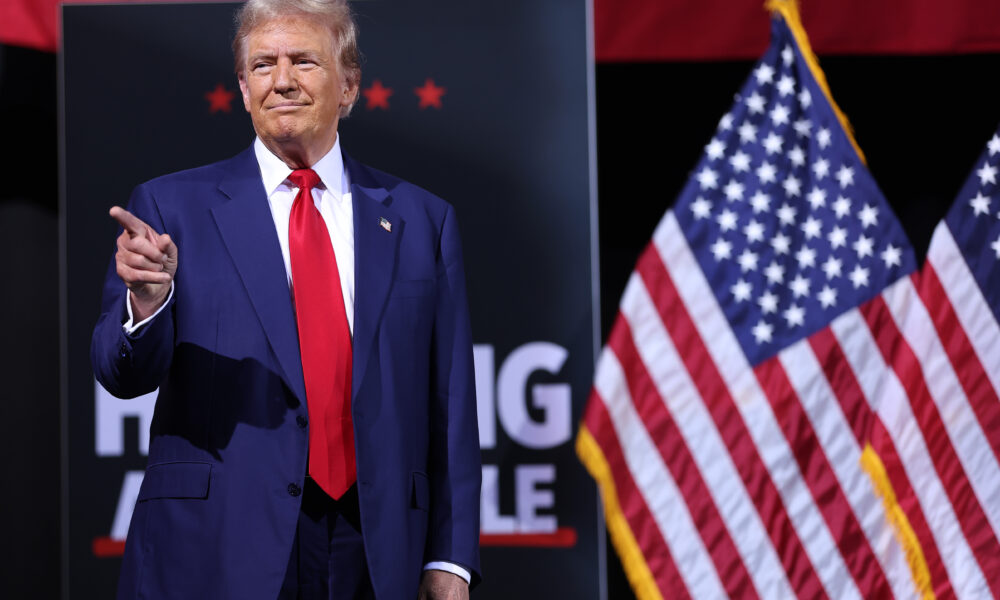
Former President Donald Trump has often portrayed himself as a defender of the working class, pledging to cut taxes on overtime. However, his history as both a businessman and president tells a different story. Trump and his companies have faced numerous accusations of neglecting to pay workers the overtime wages they were owed. During his presidency, the Trump administration’s Department of Labor enacted a rule drastically reducing the number of workers eligible for overtime pay.
Project 2025, a comprehensive plan crafted by the Heritage Foundation for a potential second Trump term, proposes even more significant changes. This extensive document suggests a major overhaul of overtime protections, offering employers new ways to circumvent paying overtime to workers who previously qualified for additional pay.
A spokesperson for the Trump campaign commented, “Project 2025 has nothing to do with the campaign,” when questioned about the overtime proposals and lawsuits involving Trump’s businesses. The Heritage Foundation, which developed Project 2025, also declined to provide specifics regarding the policy, stating that the project does not represent President Trump or his campaign. Notably, at least 140 individuals affiliated with Trump were involved in shaping Project 2025, and Trump himself has previously stated that the Heritage Foundation would “lay the groundwork and detail plans for exactly what our movement will do.”
Theresa Kinard, a Waffle House employee in Marietta, Georgia, could face significant financial challenges if Project 2025’s proposals are implemented. Despite her 15 years of service, her hourly wage remains $19. “It’s just not enough,” she said. Kinard depends on overtime pay to make ends meet, earning approximately $400 weekly from the extra hours she works. “Overtime, it helps a lot,” she explained, noting that without it, she might struggle to pay monthly bills or even face eviction.
Trump’s Record on Overtime Pay
While serving as president, Trump did not support an Obama-era rule that would have extended overtime pay to an additional 4 million workers. Instead, his administration implemented a rule that only expanded protections to 1.3 million additional workers, significantly fewer than proposed by the previous administration.
Under the Biden administration, a new overtime rule was finalized, adjusting Trump’s salary threshold for overtime eligibility to reflect inflation. By January 2025, Biden’s rule will raise the salary threshold from $43,888 to $58,656, with updates every three years. This change is expected to make 4.3 million more workers eligible for overtime pay.
Proposals Under Project 2025
Project 2025 recommends reversing Biden’s overtime rule and reinstating Trump-era policies, with adjustments for inflation every five years. This shift would exclude workers like Kinard from overtime eligibility. Additionally, the blueprint suggests allowing employers to calculate overtime pay over multiple weeks, potentially reducing employees’ earnings. For example, under current law, a worker putting in 45 hours one week and 35 the next would receive overtime pay for the extra five hours. However, averaging hours over two weeks could eliminate this extra pay.
The proposed changes could strip overtime protections from 8 million workers, according to an analysis by Economic Policy Institute Action. Project 2025 also suggests allowing workers to exchange overtime pay for paid time off, a move critics argue benefits employers more than employees.
Remote Work and Union Negotiations
Another provision in Project 2025 calls for denying overtime pay to remote workers unless they log 10 hours daily. Furthermore, the document advocates for unions to negotiate over existing workplace laws, such as the minimum wage and overtime, which could weaken long-standing labor standards.
Project 2025 also proposes giving states waivers from federal labor laws to foster “experimentation,” potentially allowing exceptions to overtime pay and minimum wage requirements.
On the campaign trail, Trump suggested making overtime pay tax-exempt, a proposal experts say could be costly and easily manipulated by high earners. “I think it is very, very unserious,” said economist Heidi Shierholz. “It’s super cynical. He has undermined overtime and workers left and right.”
Trump’s businesses have faced legal issues related to overtime pay. Between 2005 and 2016, they were cited for 24 violations of overtime and minimum wage protections. Lawsuits from past employees alleged unpaid overtime, with settlements in some cases.
Overall, Trump’s track record, both in business and as president, along with the proposals in Project 2025, suggest a focus on diminishing overtime protections. “The ability to get overtime is security and stability,” stated Janelle Jones of the Washington Center for Equitable Growth. Project 2025 poses a threat to workers’ “paychecks, their economic safety and security.”