Originally by the gandernewsroom.com
Recent legislative changes have significantly lowered medication expenses for seniors on Medicare, especially due to the Inflation Reduction Act (IRA) spearheaded by President Biden. This initiative has resulted in notable savings and is expected to continue offering financial relief in the upcoming year.
However, a shift in political leadership, specifically a potential victory by Donald Trump in the upcoming election, could alter this landscape. His proposed Project 2025, formulated by the Heritage Foundation, suggests repealing the IRA. This could lead to increased prescription drug expenses for approximately 18.5 million Medicare beneficiaries, as per findings by the Center for American Progress.
The Benefits of the Inflation Reduction Act
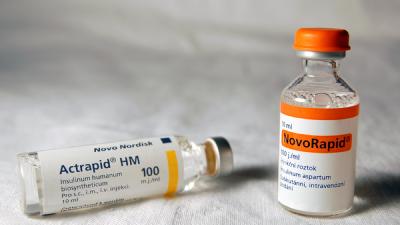
The IRA brought significant reforms to Medicare, particularly benefiting those with Medicare Part D, which covers prescription drugs. One of the key changes was the introduction of a $35 monthly cap on insulin costs, effective from the previous year. This change has notably benefited around 67,000 seniors in Michigan, resulting in an average annual saving of $403 per person.
Additionally, the IRA has made vaccines available at no cost under Medicare Part D and has offered enrollees the flexibility to distribute their out-of-pocket expenses over the year, easing the financial burden of healthcare costs. The act has also broadened access to federal subsidies for low-income seniors, offering an estimated $5,900 in annual support, according to the Social Security Administration.
By 2025, a crucial aspect of the IRA will be implemented, capping annual out-of-pocket expenses for prescription drugs at $2,000 for Medicare beneficiaries. This measure is anticipated to provide substantial savings, particularly for those requiring costly medications for serious conditions like cancer.
The Implications of Project 2025
Project 2025, outlined in a comprehensive 900-page document by the Heritage Foundation, poses a threat to the cost-saving measures introduced by the IRA. If enacted, this plan would eliminate the IRA, leading to increased out-of-pocket expenses for millions of Medicare users.
In Michigan alone, approximately 43,000 individuals enrolled in Medicare Part D might face higher drug costs without the IRA’s $2,000 annual cap. Moreover, about 673,000 seniors in the state could incur an additional average cost of $356 yearly if the IRA’s provisions are revoked.
The repeal would also terminate Medicare’s newfound ability to negotiate drug prices with pharmaceutical companies, a move aimed at reducing costs for expensive medications. Initial negotiations have commenced this year, although they face legal resistance from drug manufacturers. Successful negotiations could lead to lower prices for Medicare-covered drugs, benefiting enrollees financially.
The potential rollback of these provisions under Project 2025 could significantly increase medication costs for the nearly 1.8 million Michigan residents currently enrolled in Medicare Part D.
“Project 2025 treats seniors’ access to affordable drugs as collateral damage,” warns the Center for American Progress. “This dangerous agenda prioritizes Big Pharma’s bottom line at the expense of millions of Medicare Part D enrollees who, if Project 2025 is enacted, may once again have to pay more out-of-pocket for the medications they need, impeding both access and affordability.”
Read Original Story at The Gander Newsroom