New Government Order Aims to Tackle Homelessness with Policy Shifts
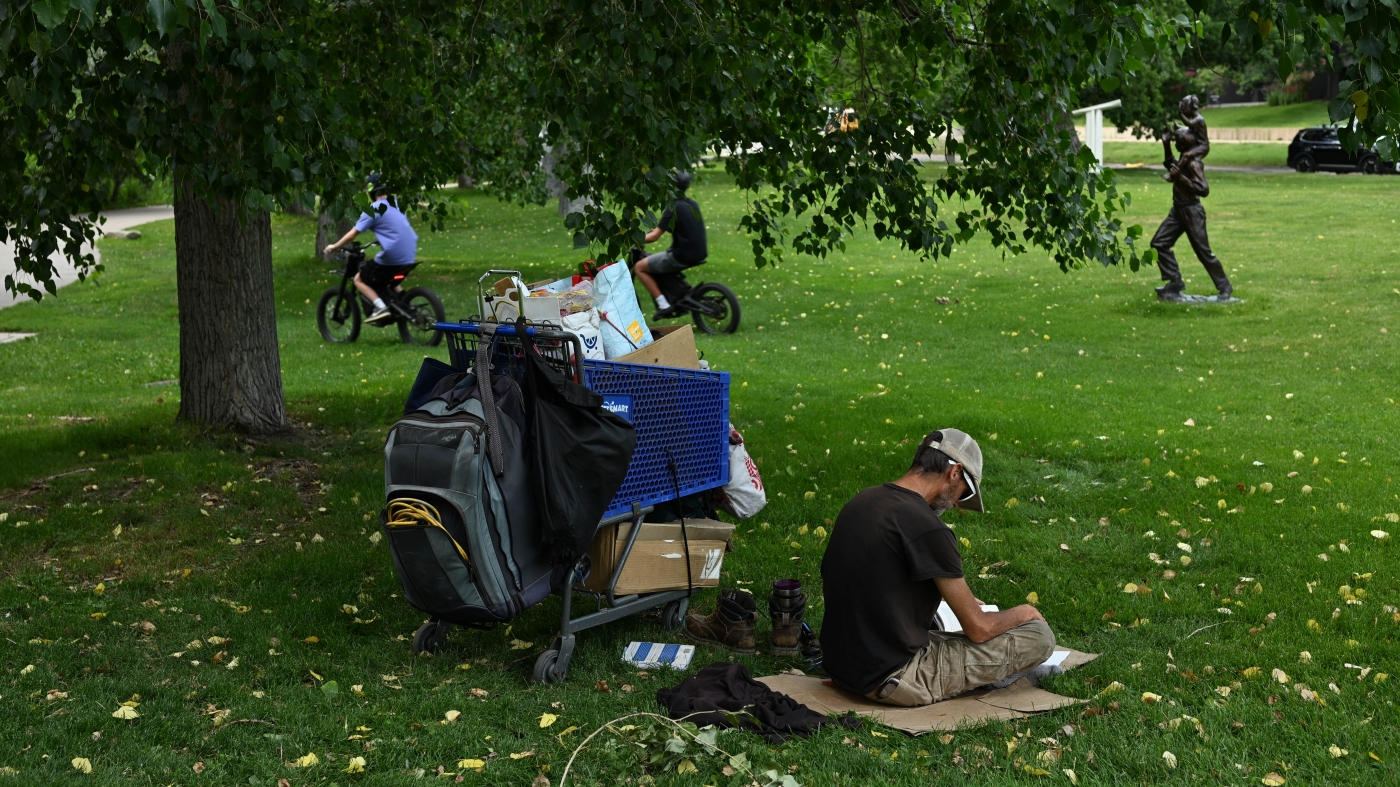
The White House has announced a new executive order designed to address the growing issue of homelessness in the United States. This order, signed on Thursday, intends to facilitate state and city efforts to dismantle outdoor encampments and provide mental health or addiction treatment, including involuntary civil commitment for individuals deemed a threat to themselves or others.
According to the order, “Endemic vagrancy, disorderly behavior, sudden confrontations, and violent attacks have made our cities unsafe.”
Critics Question the Push for Mandatory Treatment
The executive order proposes a significant shift in federal funding priorities. Historically, policies have focused on getting homeless individuals into housing first before addressing treatment. The new directive favors funding for programs that require sobriety and treatment, and for cities that impose camping bans for homeless individuals.
Moreover, the order instructs the departments of Health and Human Services, Housing and Urban Development, and Transportation to review federal grant programs and emphasize funding for areas that actively combat illegal drug use, urban camping, loitering, and squatting, as much as legally possible.
Critics argue that this approach may not effectively solve homelessness and could exacerbate the problem. Jesse Rabinowitz of the National Homelessness Law Center stated, “This executive order is forcing people to choose between compassionate data driven approaches like housing, or treating it like a crime to have a mental illness or be homeless.” Ann Oliva from the National Alliance to End Homelessness added, “Institutionalizing people with mental illness, including those experiencing homelessness, is not a dignified, safe, or evidence-based way to serve people’s needs.”
The order also directs the Substance Abuse and Mental Health Services Administration to stop funding addiction programs that incorporate “harm reduction,” a move that may disrupt essential healthcare programs aimed at reducing drug overdoses. Despite claims that harm reduction encourages drug use, research from the Centers for Disease Control and Prevention has consistently shown these programs to be effective.
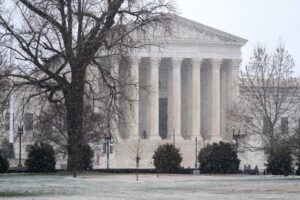
This recent action builds on a Supreme Court ruling from last year, which allowed cities to penalize individuals for sleeping outdoors when no alternatives are available. Since that decision, more than 100 cities across over 24 states have enacted or strengthened bans on homeless camping, potentially influenced by the prospect of receiving federal funding.
Conservative Pushback Against Longstanding Policies
For about 20 years, there was bipartisan support for a “housing first” approach, which prioritized providing shelter before addressing mental health or addiction issues. Advocates argue this method successfully reduces homelessness and address the affordable housing shortage that drives it.
However, a growing conservative backlash has emerged as homelessness rates rise. Last year, an annual count reported over 770,000 individuals living without homes, an 18% increase from the previous year.
Devon Kurtz from the conservative Cicero Institute remarked, “This is a huge step,” reflecting the group’s support for the order’s measures, which align with their advocacy efforts. Kurtz argues that the housing first strategy has failed by not sufficiently addressing the need for treatment. The order seeks to discontinue support for housing policies that do not promote “treatment, recovery, and self-sufficiency.”
Kurtz emphasized the importance of the order, stating, “This is really that crucial safety net at the bottom to make sure that [homeless people] don’t continue to fall through the cracks and die on the street.”
Project 2025, a conservative agenda, also advocates for ending housing first initiatives. Earlier this year, the Trump administration reduced the role of the U.S. Interagency Council on Homelessness, a key body that promoted housing first policies across government agencies.
Contribution by NPR’s addiction correspondent Brian Mann.