Trump’s Vision for Government Efficiency Faces Backlash
In a move aimed at reforming government operations, President Donald Trump appointed Elon Musk and Vivek Ramaswamy to lead the newly established Department of Government Efficiency (DOGE). The initiative was intended to “dismantle Government Bureaucracy, slash excess regulations, cut wasteful expenditures, and restructure Federal Agencies,” Trump stated. However, the reality of this vision has sparked significant controversy.
Project 2025’s Radical Agenda
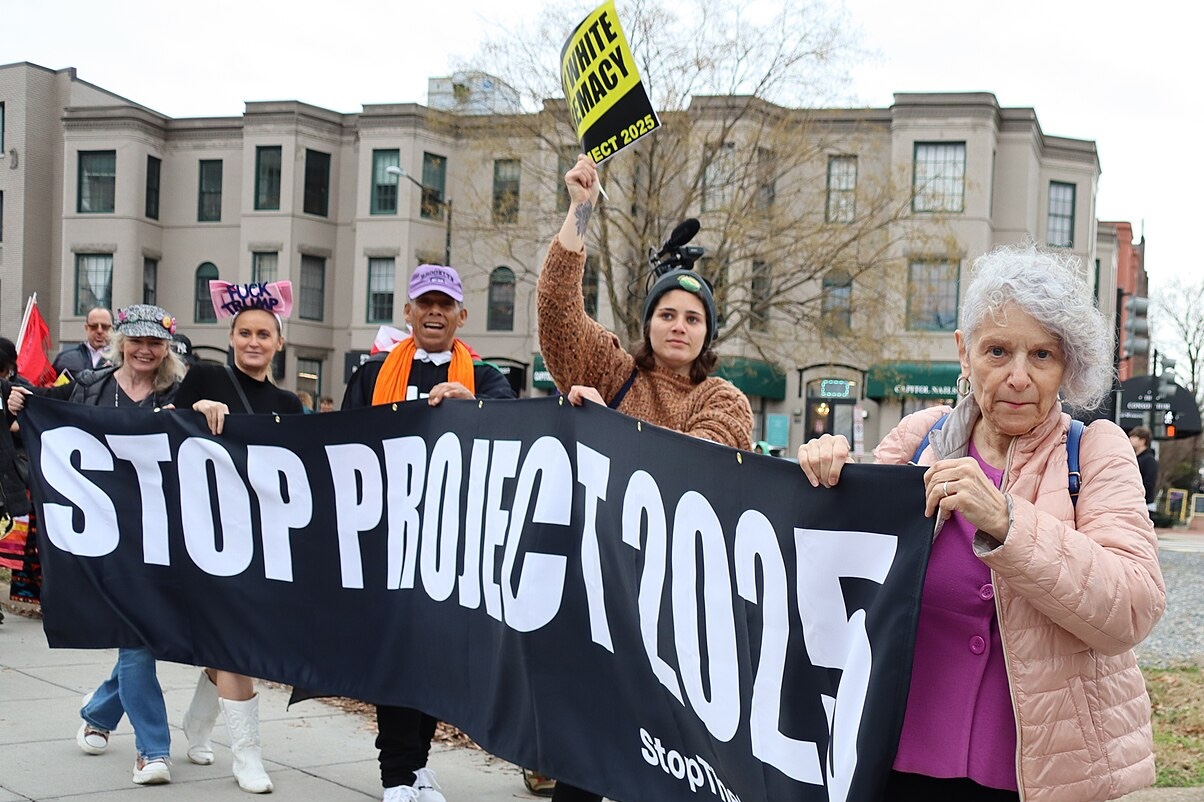
Project 2025, a cornerstone of Trump’s administrative strategy, has been criticized for its aggressive approach towards various federal agencies. The project outlined a plan to eliminate terms like “sexual orientation,” “gender identity,” and “diversity” from federal policies, aiming to reshape American civil society. Critics argue that these changes undermine fundamental rights and protections.
Impact on Federal Agencies
The implementation of DOGE’s policies under Musk’s leadership has led to widespread restructuring within government departments. Agencies focused on public health, environmental protection, and education have reportedly been “hollowed out,” according to observers, raising concerns about the long-term impact on services like veteran support and disaster response.
Controversial Personnel Changes
Significant personnel shifts have accompanied these changes, notably the firing of inspectors general who were tasked with overseeing ethical conduct within agencies. This has sparked fears of reduced accountability and transparency in government operations. The firing of Erika McEntarfer, head of the Bureau of Labor Statistics, was particularly contentious, as it followed the release of unfavorable economic data.
Concerns Over FEMA and Disaster Preparedness
Under Kristi Noem’s leadership at the Department of Homeland Security, FEMA has seen substantial layoffs and restructuring. Critics warn that these changes could jeopardize the agency’s ability to respond effectively to natural disasters, a concern underscored by recent flooding events in Texas that saw delayed federal response efforts.
Economic Inequality and Wealth Distribution
The economic policies under Trump’s administration have been linked to increasing wealth inequality. Statistics from Forbes highlight that the top 10% of Americans now own a record 93% of all U.S. stocks. This concentration of wealth raises questions about the broader economic impact of the administration’s policies.
Pushback Against Environmental and Social Policies
Project 2025 has also targeted environmental policies, proposing to dismantle agencies like the National Oceanic and Atmospheric Administration (NOAA) that are pivotal in addressing climate change. This stance has drawn criticism from environmental groups and scientists who warn of the repercussions on climate resilience and disaster management.
Public Reaction and Political Ramifications
The administration’s approach has sparked significant public and political backlash, with critics accusing it of prioritizing loyalty over competence and undermining democratic principles. The ongoing debates highlight the tension between government efficiency and preserving essential public services.
Conclusion
As President Trump continues to push his agenda, the future of these policies remains uncertain. With both supporters and detractors voicing strong opinions, the coming months will be crucial in determining the long-term impact of these controversial moves.