President Trump Calls for Reform in College Sports System
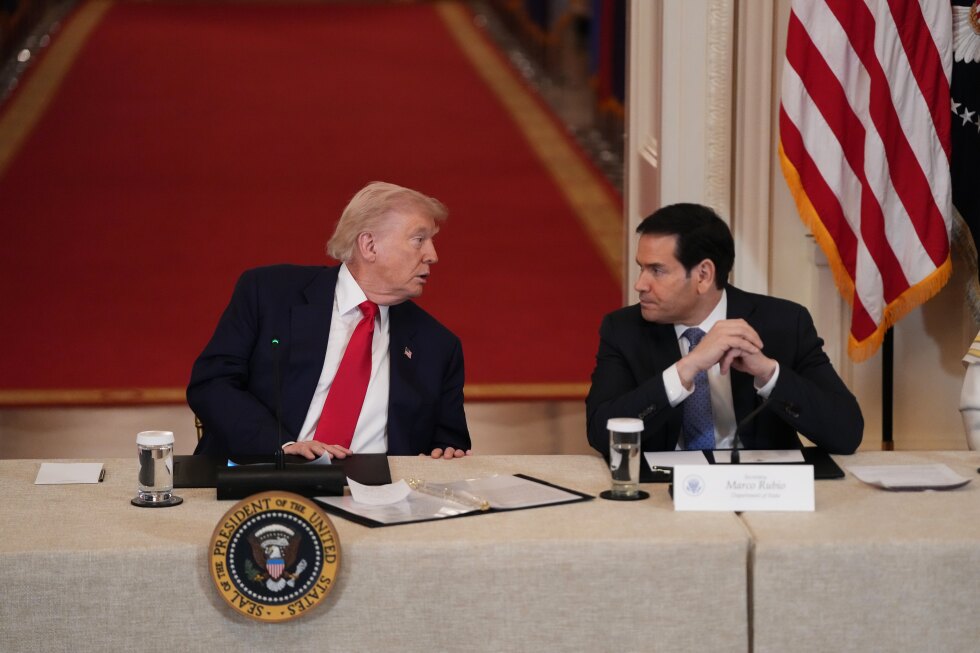
In a recent White House summit, President Donald Trump expressed concerns over the future of the U.S. collegiate system, particularly college sports, citing the necessity for urgent reforms. The president, alongside sports leaders, suggested that increasing funding to compensate athletes could be a viable solution to the pressing issues.
Trump announced plans to issue an “all-encompassing” executive order within a week, aiming to prompt action from Congress. This order is expected to instigate a legal challenge, potentially revisiting the court system that previously endorsed payments to athletes for their name, image, and likeness (NIL).
The current NIL system has placed financial strains on many educational institutions, with regulations on compensations evolving slowly (source). “The whole educational system is going to go out of business because of this,” Trump remarked, highlighting the critical nature of the issue amidst other global concerns like the conflict in Iran.
The meeting, attended by lawmakers, NCAA officials, and conference commissioners, sought solutions without direct representation from the NCAA’s 550,000 college athletes. Trump reminisced about the past scholarship system, expressing dissatisfaction with the “horrible” court settlement leading to the current financial model.
Unified in their concern, the meeting participants recognized the need to control the growing expenses from NIL payments. They considered the SCORE Act, a legislative proposal offering a limited antitrust exemption to the NCAA and overriding state NIL laws, as a potential foundation for reform efforts. House Speaker Mike Johnson indicated that the bill, previously stalled, might now have the momentum needed for passage (source).
Bipartisan Senate Bill on TV Rights Reemerges
Following the White House meeting, Senators Eric Schmitt and Maria Cantwell proposed a bipartisan bill to enable conferences to pool media rights, challenging the 1961 Sports Broadcasting Act. This bill aims to address the revenue shortfall in college sports and support struggling athletic programs.
Cody Campbell, a proponent of the media rights pooling idea, participated in the summit and expressed his willingness to assist in drafting Trump’s executive order. He claims this initiative could generate an additional $6 billion, sustaining various sports programs. However, not all conferences, like the SEC and Big Ten, agree with this estimate (source).
SEC Commissioner Greg Sankey urged legislative action, emphasizing the need for structural and standard reforms rather than focusing solely on revenue. Senator Ted Cruz highlighted the urgency of addressing both costs and income to safeguard student scholarships and programs.
Trump Criticizes Judicial Decision on Settlement
President Trump criticized U.S. District Judge Claudia Wilken, referring to her as a “radical left judge,” for approving the settlement that established the current system. Despite its endorsement by various stakeholders, Trump expressed surprise that it was not challenged in higher courts. He was equally taken aback by the Supreme Court’s unanimous 2021 ruling in NCAA vs. Alston, which facilitated the current NIL framework (source).
Concerns for Olympic and Women’s Sports
Highlighting the consequences of unchecked costs, Trump noted that Olympic and women’s sports could be the most affected. These sports traditionally rely on revenue from football and basketball programs. U.S. Olympic and Paralympic Committee CEO Sarah Hirshland underscored the importance of college sports in developing Olympic athletes, pointing out the unsustainable economic pressures and potential cuts to sports budgets.